When News Came With Coffee Stains: The Death of America's Morning Ritual
The 5 AM Symphony Nobody Misses
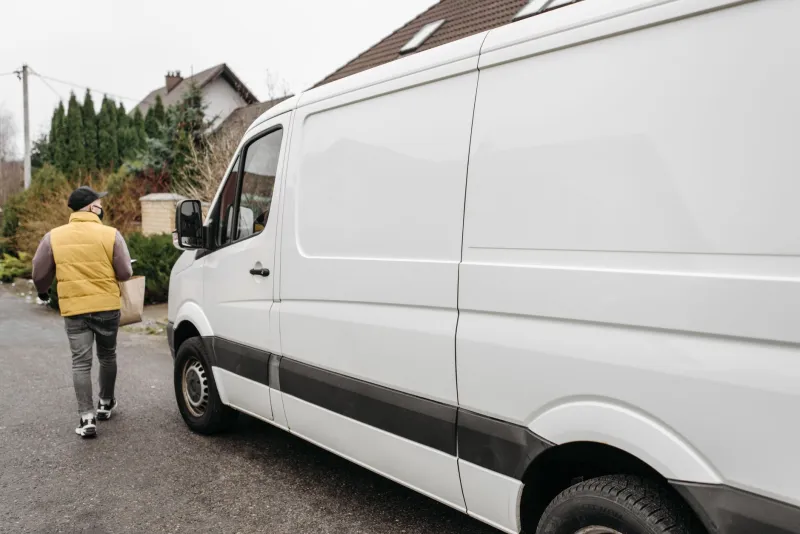
Every morning at dawn, millions of bicycles and beat-up station wagons rolled through American suburbs, leaving behind a trail that connected every household to the same information. By 1970, nearly 62 million newspapers landed on American doorsteps daily — one for every three people in the country.
The paperboy wasn't just delivering news. He was maintaining the rhythm that synchronized entire communities. Neighbors knew Mrs. Henderson read the sports section first, that the Johnsons always left their paper until after work, and that everyone would be talking about the same headlines by lunch.
That America is gone.
When Everyone Read the Same Thing
In 1975, the average American household spent $8 monthly on newspaper subscriptions — about $45 in today's money. For that price, you got local government coverage, high school sports scores, wedding announcements, obituaries, and national news all filtered through editors who lived in your community.
The newspaper wasn't just information delivery. It was the town square in print form. Local businesses bought ads knowing every household would see them. Political candidates announced campaigns in the same space where neighbors celebrated anniversaries and mourned losses.
More importantly, everyone consumed the same baseline of information. Disagreements happened, but they started from shared facts reported by journalists who attended the same city council meetings their readers did.
The Economics That Made It Work
Newspaper delivery operated on beautifully simple economics. A daily subscription cost less than a single coffee today, and that price supported an entire ecosystem: local reporters, editors, printing presses, delivery routes, and the paperboy earning college money one driveway at a time.
The advertising model worked because it had to. Local car dealers, restaurants, and department stores had no choice but to reach customers through the town newspaper. There was no Facebook targeting, no Google ads — just the certainty that Monday's furniture sale would be seen by everyone eating Tuesday's breakfast.
This created a feedback loop that strengthened communities. Local businesses supported local journalism, which covered local issues, which informed local voters, which shaped local policies that affected local businesses. The circle was complete and self-sustaining.
What Replaced the Front Porch Read
Today's news consumption looks nothing like the front-porch coffee ritual that once defined American mornings. The average person checks their phone 96 times daily, consuming news in fragments between emails, social media updates, and push notifications.
We've traded the patient morning read for the anxious all-day scroll. Information arrives constantly but without context, community connection, or the natural stopping point that came with turning the final page.
Algorithms now decide what news we see, creating individual information bubbles instead of shared community knowledge. Your neighbor might be outraged about completely different events than the ones keeping you awake at night.
The Hidden Cost of Instant Everything
The shift from print to digital didn't just change how we consume news — it fundamentally altered the economics of information. Local newspapers that once employed dozens of reporters now operate with skeleton crews, if they exist at all.
Between 2005 and 2020, America lost over 2,000 newspapers and 40,000 journalism jobs. The paperboy disappeared not because demand for news vanished, but because the economic model that supported comprehensive local coverage collapsed.
What replaced it? National media focused on stories that generate clicks across millions of readers, not the city council meetings and school board elections that actually shape daily life in American communities.
The Ritual We Didn't Know We'd Miss
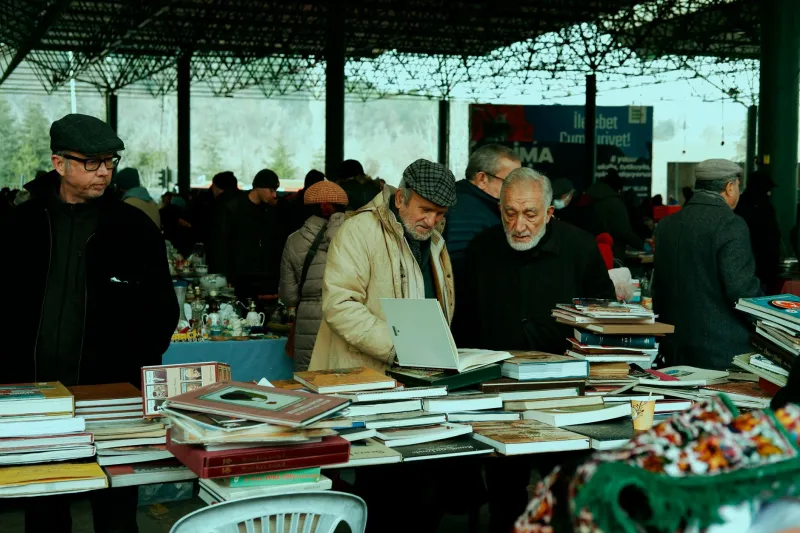
The morning newspaper created something modern news consumption cannot replicate: a shared rhythm of information discovery. Families gathered around the kitchen table to divide sections. Commuters read the same stories on the same trains. Coworkers discussed headlines everyone had encountered in the same format.
This wasn't just nostalgia — it was functional democracy. When everyone started the day with the same local information, community conversations could build from common ground instead of competing realities.
The paperboy's bicycle route once traced the invisible threads that connected neighborhoods. When that route disappeared, something essential about American community life went with it.
What We Actually Lost
The death of doorstep news delivery represents more than changing technology — it marks the end of shared information experiences that once bound communities together. We gained speed and personalization but lost the common knowledge base that made neighborhood conversations possible.
Today, getting local news requires active searching instead of passive delivery. Most Americans simply don't bother, creating information gaps that leave communities less informed about the decisions that most directly affect their lives.
The paperboy who never arrived took with him not just yesterday's headlines, but tomorrow's informed citizenry.