The Sunday Morning Marketplace That Built Community — And Then Got Replaced by an Algorithm
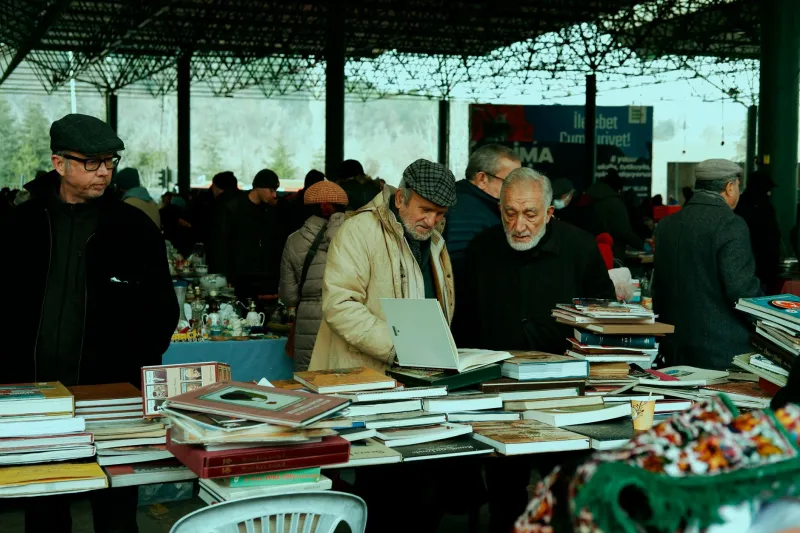
You could smell it before you saw it. Frying donuts, old motor oil, the particular dusty warmth of cardboard boxes that had been stored in someone's garage since 1974. The swap meet announced itself well before you reached the gate. And the gate, if there was one, usually cost a dollar to enter — a price that felt entirely reasonable for what waited on the other side.
For a large portion of twentieth-century America, the weekend flea market wasn't a novelty or a hobby. It was infrastructure. A genuine local economy operating outside the corporate retail machine, built on surplus, ingenuity, and the fundamental human desire to make a deal.
Before Amazon, There Was a Folding Table
The modern flea market traces its American roots to the postwar boom years, when surplus military goods, household overstock, and the general abundance of a prosperous economy created a class of goods that needed somewhere to go. Drive-in theaters rented their lots on weekend mornings. Fairgrounds opened their fields on Sundays. Empty parking lots became temporary cities of folding tables, truck beds, and hand-painted signs.
By the 1960s and 70s, swap meets had become a genuine institution across the country, particularly in the South, the Midwest, and California. The Rose Bowl Swap Meet in Pasadena. The Nashville Flea Market. The Shipshewana Trading Place in Indiana. These weren't marginal operations. They drew thousands of buyers and hundreds of vendors every single week, generating real income for working-class families and providing affordable goods to communities that couldn't always afford department store prices.
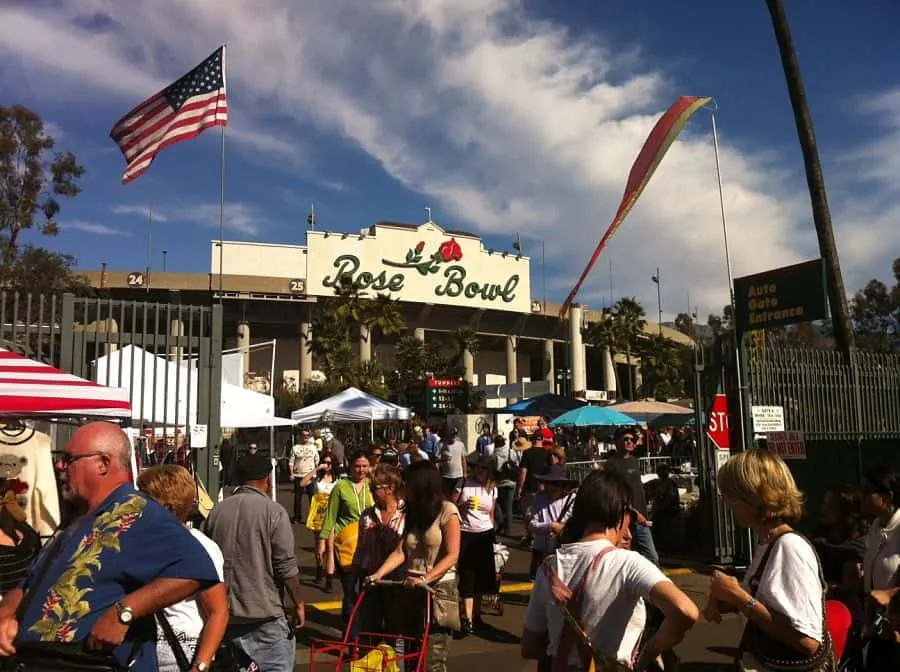 Photo: Rose Bowl Swap Meet, via www.fleamarketinsiders.com
The economics were simple and surprisingly effective. A vendor rented a space — often $10 to $25 for a weekend — and sold whatever they had. Tools, clothing, records, furniture, car parts, homemade food, live chickens. The range was the point. You never knew exactly what you'd find, and that uncertainty was the engine that kept people coming back.
The Transaction Was Never Just About the Transaction
Here's what the spreadsheet couldn't capture: the swap meet was a social event dressed up as a commercial one.
Regular vendors became neighborhood fixtures. You knew which guy had the best tools, which woman made the best tamales, which table would have a decent paperback selection. These weren't anonymous listings with star ratings and free returns. They were relationships, built across dozens of Sunday mornings, cemented by fair dealing and the occasional favor.
For sellers, the swap meet provided something the modern gig economy still struggles to replicate — a customer base that showed up in person, that could be read, persuaded, and remembered. A vendor who treated people well saw them return. One who overpriced or misrepresented goods felt the consequence immediately, in the form of a crowd that simply walked past.
This was reputation commerce at its most direct. No algorithm mediated the feedback. No review system filtered the response. If you were a good dealer, people told other people. If you weren't, they told more.
The Machine That Replaced the Marketplace
The decline came in waves. The first wave was big-box retail. When Walmart and Target could offer new goods at prices that undercut the cost of secondhand alternatives, the value proposition of the swap meet narrowed. Why buy a used blender from a stranger when a new one cost $19.99 at the store down the road?
The second wave was the internet. eBay launched in 1995 and within a decade had absorbed much of the informal resale economy that flea markets had sustained. The convenience was undeniable — you could reach buyers across the country without renting a table or loading a truck. Craigslist followed. Facebook Marketplace arrived. Poshmark, OfferUp, Mercari. The platforms multiplied and the physical markets emptied.
Today, the resale economy is larger than it has ever been — estimated at over $200 billion annually in the US. But it is almost entirely digital, almost entirely mediated by corporate platforms that take their cut, set the terms, and own the relationship between buyer and seller. The transaction happens, but the community doesn't form around it.
What the Algorithm Can't Sell You
Scroll through Facebook Marketplace for an hour and you'll find remarkable deals. You might even meet a perfectly pleasant seller in a parking lot somewhere and complete a transaction without incident. But you won't find the experience that the swap meet offered at its best: the serendipity of an unexpected discovery, the pleasure of a negotiated price, the slow accumulation of trust with a vendor you see every week.
The flea market was, among other things, a place where economic participation required no minimum credit score, no verified account, no platform approval. A teenager with a box of baseball cards could set up next to a retired machinist selling hand tools, and both could conduct legitimate commerce. The barrier to entry was a table rental and the willingness to show up.
That accessibility had real social value, particularly for communities that operated at the economic margins. Immigrant families, retirees supplementing fixed incomes, small-time collectors, backyard farmers — the swap meet gave all of them a venue that the formal retail economy didn't.
The Ones That Survived
Not all of them disappeared. A handful of America's great flea markets have endured — some by leaning into their history, others by reinventing themselves as artisan markets or antique destinations. The First Monday Trade Days in Canton, Texas, draws tens of thousands of visitors monthly. The Brimfield Antique Flea Market in Massachusetts remains one of the largest in the world. The Brooklyn Flea has become something of a cultural institution in New York.
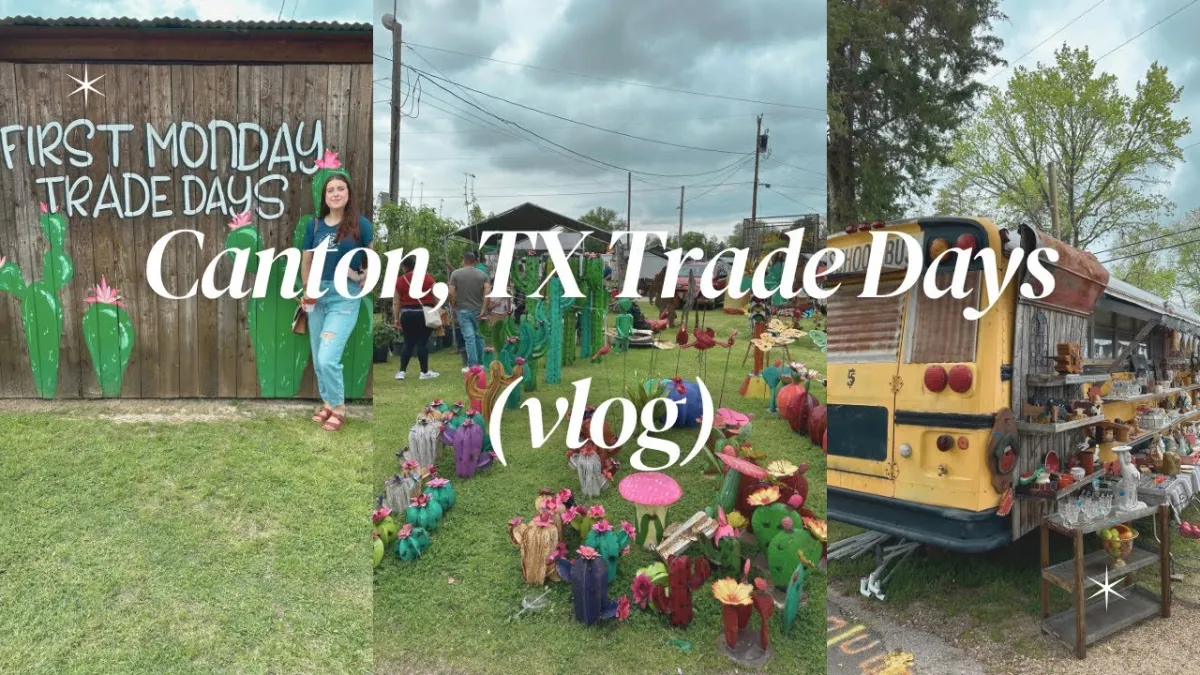 Photo: First Monday Trade Days, via i.ytimg.com
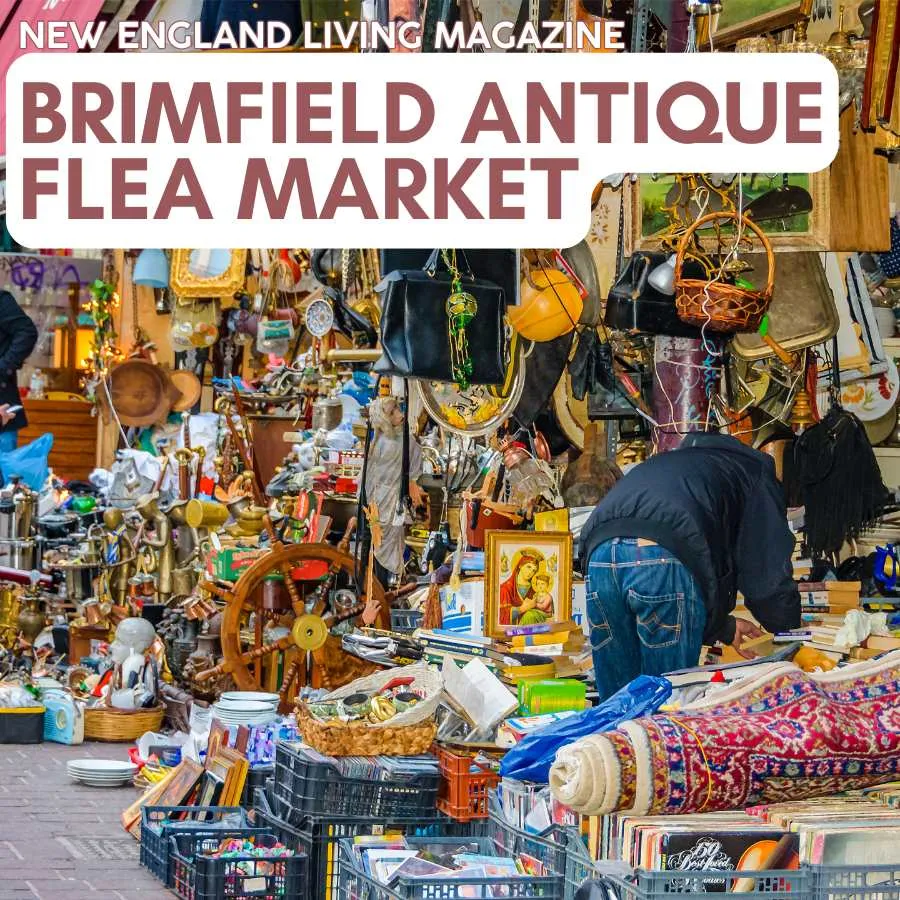 Photo: Brimfield Antique Flea Market, via nelivingmagazine.com
But these survivors are exceptions, and most have evolved into something different from their origins. They tend to serve a wealthier, more curated clientele. The $3 paperback table has given way to the $85 vintage denim vendor. The transformation isn't bad, exactly — but it's a different thing.
The messy, democratic, slightly chaotic swap meet of the 1970s — where anyone could sell anything and a dollar could buy something genuinely useful — that version is largely gone.
The Handshake Economy
What the swap meet represented, at its core, was a version of commerce that centered the human relationship rather than the transaction. You looked someone in the eye. You made a deal. You came back next week and either honored it or answered for it.
The platforms that replaced it are efficient, scalable, and convenient. They are not, by any reasonable measure, communities. The five-star rating is a pale substitute for the knowledge that the guy at table 47 has been selling fairly for fifteen years and will be there again next Sunday.
Something real changed when we traded the folding table for the listing page. We just didn't notice until the parking lot was empty.