Grandma's Recipe Box Was a Family Archive. Now We Have 47 Tabs Open and Nothing to Eat.
The Box Next to the Stove
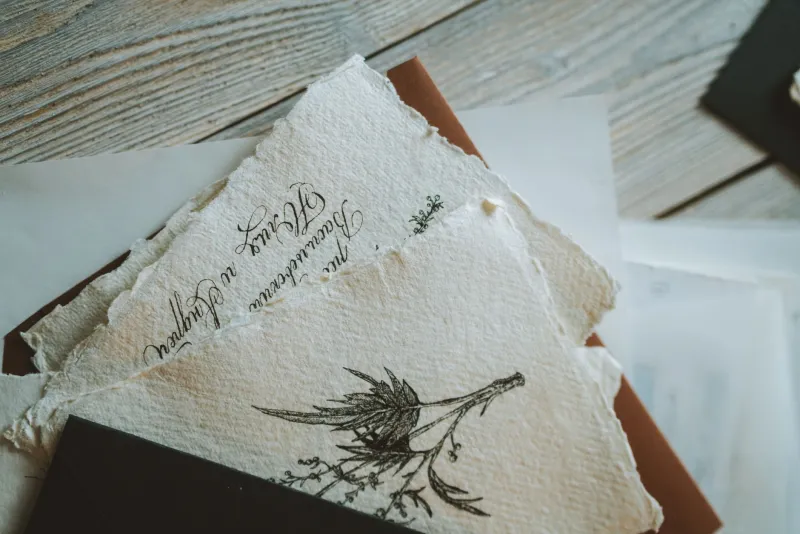
If you grew up in an American household before the internet, there's a good chance you remember it. A tin box, maybe a three-ring binder, maybe a spiral notebook with grease-stained pages and a cover held together by a rubber band. Inside: recipes in a dozen different handwriting styles, clipped from newspapers, scrawled on the backs of envelopes, typed on index cards that had yellowed at the edges.
Some cards had notes in the margins. Add more vanilla. Dad likes it sweeter. Don't use margarine — Mom. These weren't just cooking instructions. They were conversations across time, tiny dispatches from people who had already figured out what worked and wanted you to know.
For most of American history, that's how cooking knowledge traveled. Not through broadcast, not through content — through kitchens. Grandmother to mother. Mother to daughter. Neighbor to neighbor over a shared fence. The recipe box was a family archive, and the act of copying a recipe into it was a kind of inheritance ceremony.
When Cooking Was Something You Learned by Standing There
The knowledge transfer wasn't just about the recipe itself. It was about the person who taught it to you.
You didn't learn your aunt's pie crust by watching a sixty-second video. You stood next to her on a Sunday afternoon, flour on both of you, and she showed you what the dough was supposed to feel like when it was ready — not cold enough, not overworked, just right. That sensory knowledge, the feel and smell and instinct of cooking, moved from hands to hands.
America's regional food identity was built this way. The way Southern biscuits differ county by county, the specific way a Chicago family might season their braised short ribs, the particular spice blend a Greek-American grandmother brought over from her mother's kitchen and never wrote down properly because she just knew — all of that lived in the handoff, not the document.
And when someone passed away, the recipe box became something people actually fought over. Not because it was worth money. Because it was irreplaceable. A handwritten card in your grandmother's handwriting, with her specific shorthand and her margin notes, was a piece of her that nothing else could replicate.
The Shift That Looked Like Progress
The cooking show wasn't new. Julia Child had been on public television since 1963, teaching Americans that French cuisine wasn't as terrifying as they thought. The Food Network launched in 1993 and turned cooking into entertainment in a way that felt genuinely exciting. Suddenly, food had personalities, drama, competition.
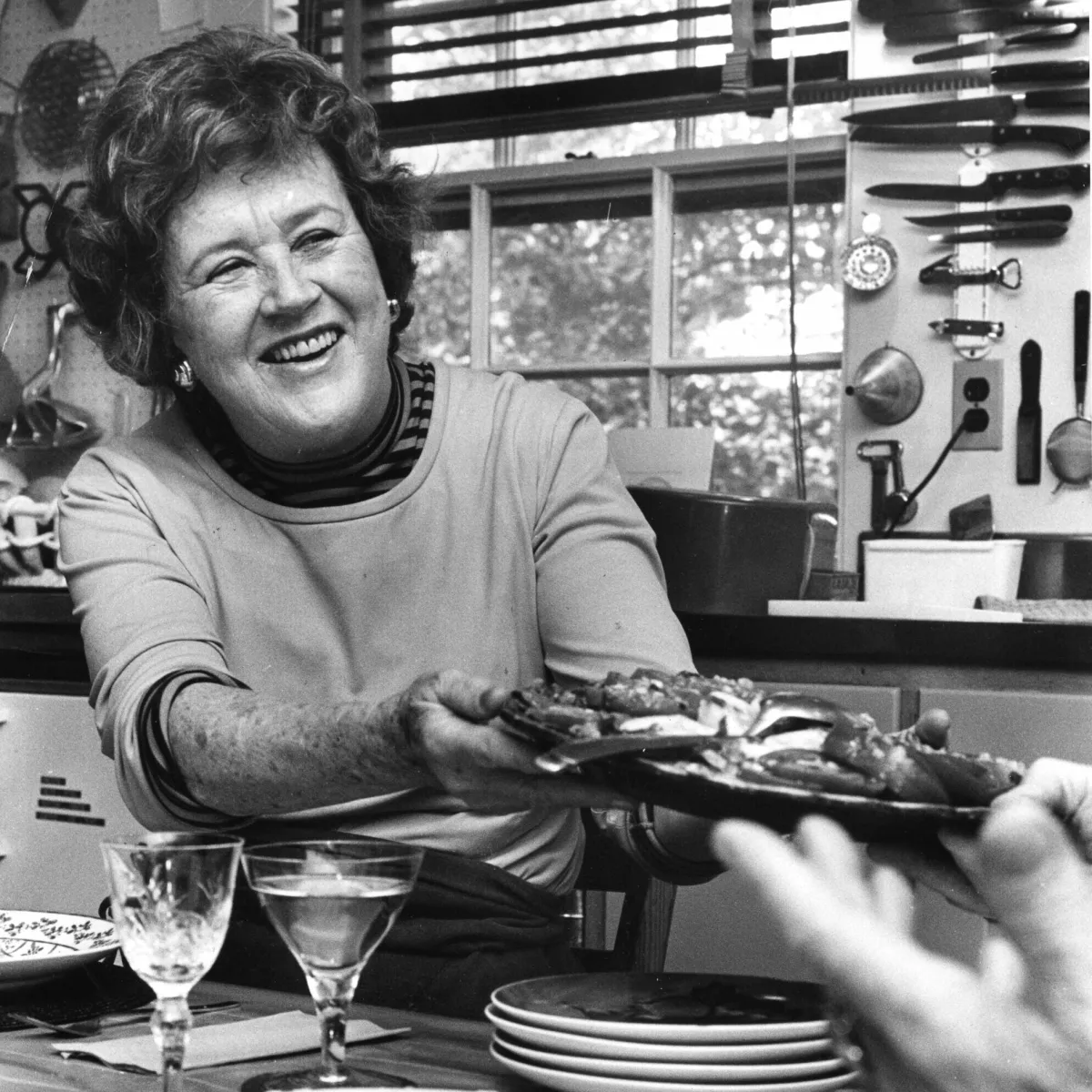 Photo: Julia Child, via www.tasteofhome.com
Then the internet arrived and opened the floodgates. Recipe blogs. YouTube cooking channels. Pinterest boards. Instagram food photography. TikTok tutorials. Today, there are more cooking resources available to the average American than any chef in history ever had access to. You can find a recipe for virtually anything within thirty seconds.
And yet, something strange happened alongside all that abundance.
The Paradox of Infinite Recipes
Americans are cooking less from scratch than they were fifty years ago. Processed food consumption has climbed. Meal kit services sell us the experience of cooking as though it needs to be packaged and delivered. We watch more cooking content than any previous generation — and produce less home cooking.
The algorithm didn't help. Platforms reward spectacle over practicality. The recipes that perform best on social media tend to be the ones that look dramatic on camera: towering burgers, cheese pulls, elaborate dessert constructions that require specialty equipment and three free hours. The everyday Tuesday-night dinner — the kind your parents could make in forty minutes without consulting anything — doesn't get many views.
What's also changed is the relationship between audience and content. Cooking videos are designed to be watched, not necessarily made. Studies have found that a significant portion of people who save or bookmark recipes online never actually cook them. The recipe has become a kind of aspirational object — something you collect rather than use. The recipe box never worked that way. You only wrote something down because you were going to make it again.
What Was Actually in That Box
Here's the part that gets overlooked in conversations about old versus new: the handwritten recipe box was curated by someone who knew you.
The recipes your grandmother kept weren't random. They were the ones her family loved, adapted over years to match specific tastes, specific budgets, specific equipment. They were already tested — not by anonymous internet reviewers, but by the people sitting at the table with you. When a recipe made it into the box, it had already earned its place.
Today's recipe discovery is driven by what performs well for strangers. A recipe with ten thousand five-star reviews might still not be what your family likes. The personalization that once came built-in — because your mom knew exactly how your dad liked his pot roast — now has to be rebuilt from scratch every time.
The Heirloom That Went Digital
Some families are trying to recapture what was lost. There are services that will scan and digitize old recipe cards. Apps designed specifically to preserve family recipes. Printed cookbooks made from family collections as holiday gifts.
But there's no clean substitute for the original thing. The card with the coffee ring stain in the corner. The ingredient listed as a handful because the person writing it didn't need to be more precise. The recipe title that's just a name — Aunt Carol's Potatoes — with no further explanation because everyone in the family already knew.
Cooking became content somewhere along the way, and content is designed for audiences, not families. It optimizes for engagement, not for the specific tastes of the people sitting around your table.
The recipe box asked a different question than the algorithm does. Not what will people watch? but what does your family love?
That's a harder question to answer. And it turns out it was a more important one.