Ten Dollars, a Tin Can, and a Retirement Plan: When Kids Could Actually Save Their Way to Something

Somewhere in the back of a closet, your grandparents might still have it — a small paper booklet stamped with the name of a local bank, columns of hand-entered deposits, each one modest, each one permanent. A passbook savings account. To a kid in 1958, that booklet wasn't just a record of nickels and dimes. It was evidence that the system was working in their favor.
It's almost impossible to explain to a twenty-five-year-old today just how different the financial environment was for a child growing up in postwar America. Not because the numbers were bigger — they weren't. But because the math actually worked.
The Economy That Rewarded Patience
Let's put some real numbers on this. In the late 1950s, a savings account at a federally insured bank might offer an interest rate of 4 to 5 percent annually. By the early 1980s, those rates briefly hit double digits. A kid earning $10 to $15 a week delivering newspapers, mowing lawns, or running errands could deposit even half of that and watch it genuinely grow.
Run the math on $7 a week deposited consistently from age ten through age eighteen, compounding at 5 percent annually. You arrive at eighteen with somewhere around $4,500 in today's equivalent purchasing power — enough to cover a semester of college, a used car, or the foundation of an investment account. That's before touching a single stock, before understanding a mutual fund, before knowing what the Dow Jones even was.
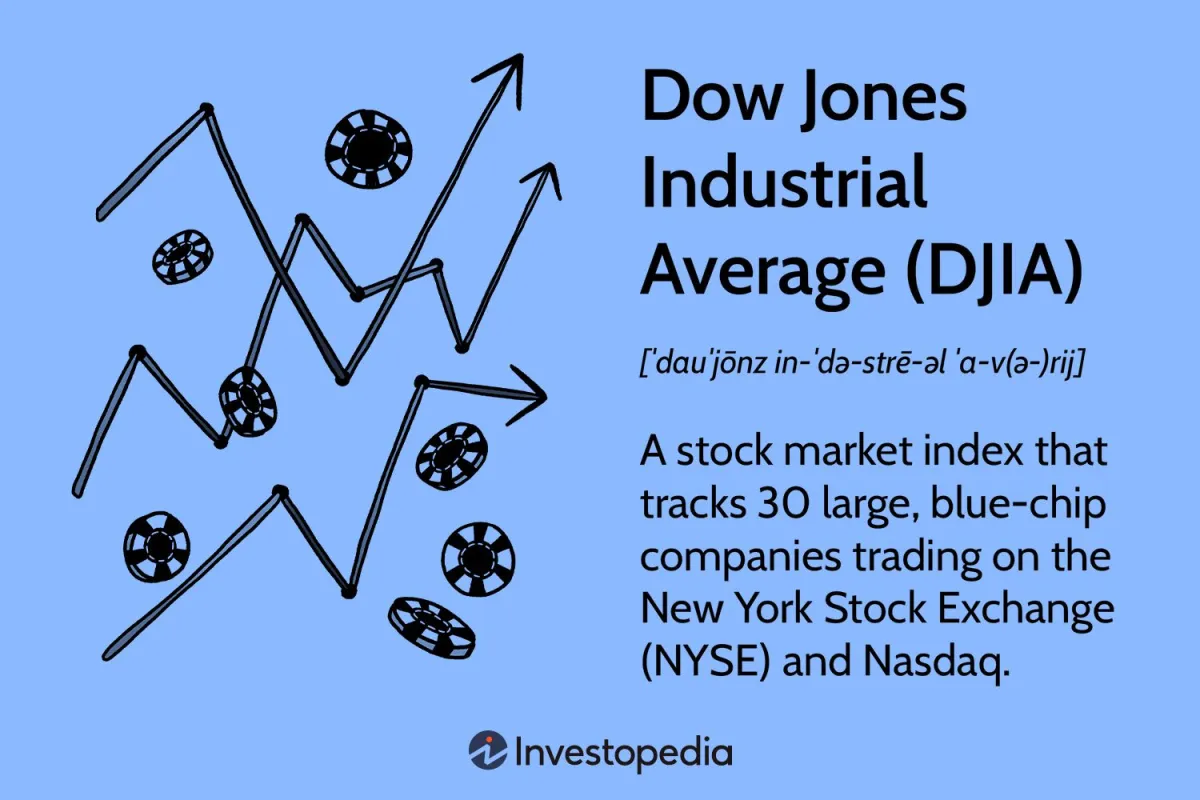 Photo: Dow Jones, via www.investopedia.com
The financial ladder didn't start at twenty-two when you got your first real job. It started at ten when you got your first paper route.
The Allowance Was a Curriculum
There's a reason so many Americans who grew up in that era talk about money differently than younger generations do. It's not nostalgia, and it's not that they were smarter. It's that the system taught them something concrete: small, consistent deposits into a patient account produced real outcomes.
The weekly allowance — often $1 to $3 in the 1950s, rising to $5 to $15 by the late 1960s — wasn't just spending money. Many families treated it as a structured lesson. A third for spending, a third for saving, a third for giving. That framework, combined with a banking system that actually rewarded the saving portion, meant that financial literacy wasn't a class you took. It was something you lived.
Local banks reinforced the lesson. Tellers knew kids by name. Some branches ran dedicated youth savings programs with small incentives — a toaster, a piggy bank, a certificate on the wall. The point wasn't the toaster. The point was that the institution treated a child's $2 deposit as worthy of acknowledgment.
When the Ladder Was Pulled Up
The modern savings account tells a different story. As of 2024, the national average interest rate on a standard savings account sits around 0.45 percent. High-yield online savings accounts offer better rates — sometimes 4 to 5 percent — but those products aren't marketed to children, aren't tied to the local branch experience, and exist inside an app that competes with TikTok for a teenager's attention.
Meanwhile, the costs that savings once helped absorb have exploded. A semester of college that cost $400 in 1965 now runs closer to $15,000 at a public university. A starter car that once required a summer's savings now demands a multi-year loan. The finish lines have moved so far that the race feels unwinnable before it starts.
This isn't just about inflation. It's about the relationship between small savings and meaningful outcomes. When that relationship existed, the behavior it encouraged — patience, consistency, deferred gratification — had a genuine payoff. When the payoff evaporated, so did the incentive to practice the behavior.
The Compounding of Lost Habits
Here's what doesn't show up in the interest rate charts: the long-term behavioral cost of growing up in a financial environment that doesn't reward patience.
A generation that learned early that saving produced results carried that habit into adulthood. They maxed out pension contributions. They paid off mortgages early. They kept emergency funds. Not because they were disciplined by nature, but because they had seen — with their own eyes, in their own passbooks — that the discipline paid off.
When today's teenagers watch their $500 sit in a savings account for a year and earn $2.25, they're not learning the wrong lesson. They're learning the accurate lesson: in this environment, saving doesn't move the needle. Spend it, or at least put it somewhere that might.
You can't blame them for that conclusion. The problem is what habits get formed — or don't — in the absence of a system that makes patience feel worthwhile.
The Shift That Changed Everything
The shift didn't happen overnight. The deregulation of interest rates in the early 1980s was followed by decades of declining yields as the Federal Reserve used low rates to stimulate economic growth. What was good for borrowers — cheap mortgages, accessible car loans — was quietly devastating for savers, especially small ones.
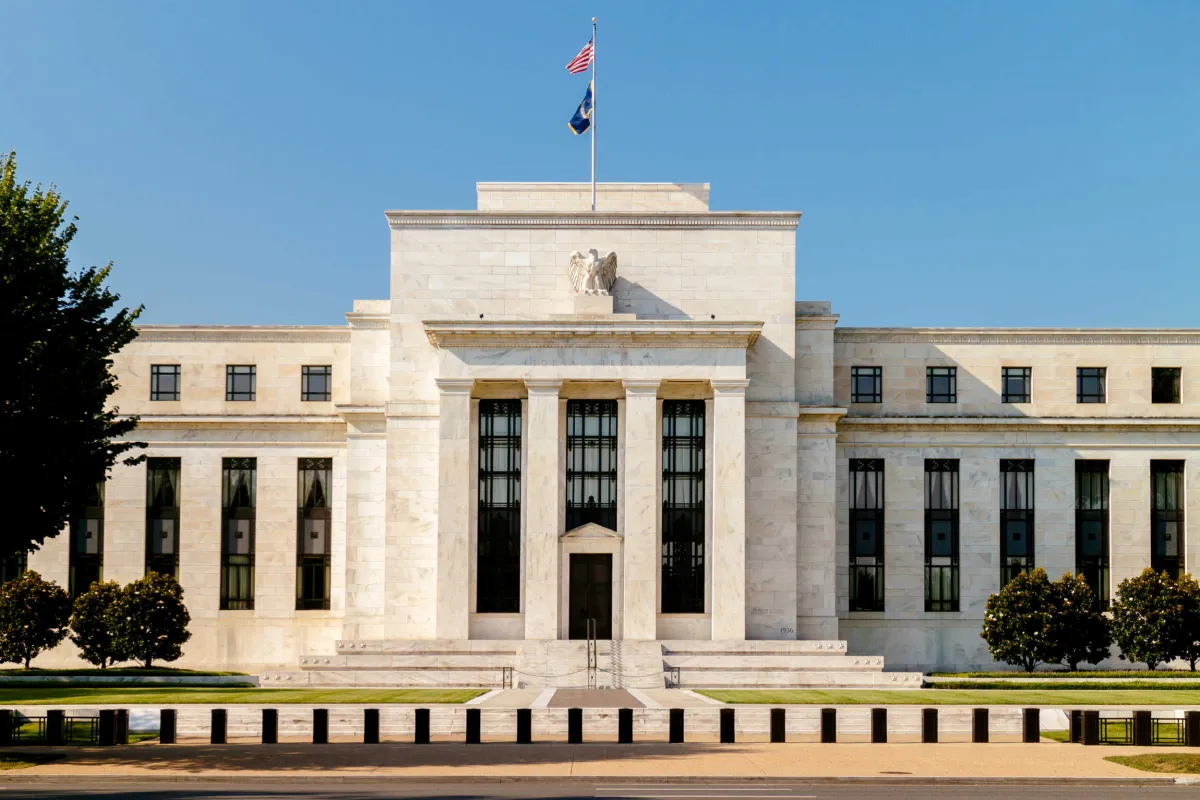 Photo: Federal Reserve, via cdn.corporatefinanceinstitute.com
The financial industry responded by creating more complex products: IRAs, 401(k)s, index funds, brokerage accounts. These are genuinely useful tools. But they require a level of financial literacy, account minimums, and platform access that effectively excludes children and young teenagers from meaningful participation. The on-ramp to wealth-building moved from the local bank branch to the investment platform — and the minimum age to drive went up considerably.
What a Passbook Actually Represented
The passbook savings account wasn't a sophisticated financial instrument. It was a simple, transparent, low-stakes introduction to the concept that money could work on your behalf if you gave it time. That idea — accessible at age ten, reinforced every week at the neighborhood bank — built a generation of Americans who understood compound interest not as a textbook concept but as a lived experience.
Today's kids are told to invest early and invest often. The advice is correct. The infrastructure that once made it natural, tangible, and genuinely rewarding at a child's scale has largely disappeared.
The tin can on the shelf still exists. The financial environment that made filling it feel worthwhile is a lot harder to find.