Baseball Used to Cost Less Than a Sandwich. Then the Stadiums Changed — and So Did the Fans.
A Buck and a Bus Ride
In 1950, a bleacher seat at Wrigley Field cost about seventy-five cents. In 1970, you could get into Fenway Park for a dollar and change. Through most of the mid-twentieth century, Major League Baseball was economically accessible in a way that's almost hard to imagine today — the kind of accessible where a factory worker could take his kids on a weekday afternoon without doing math first.
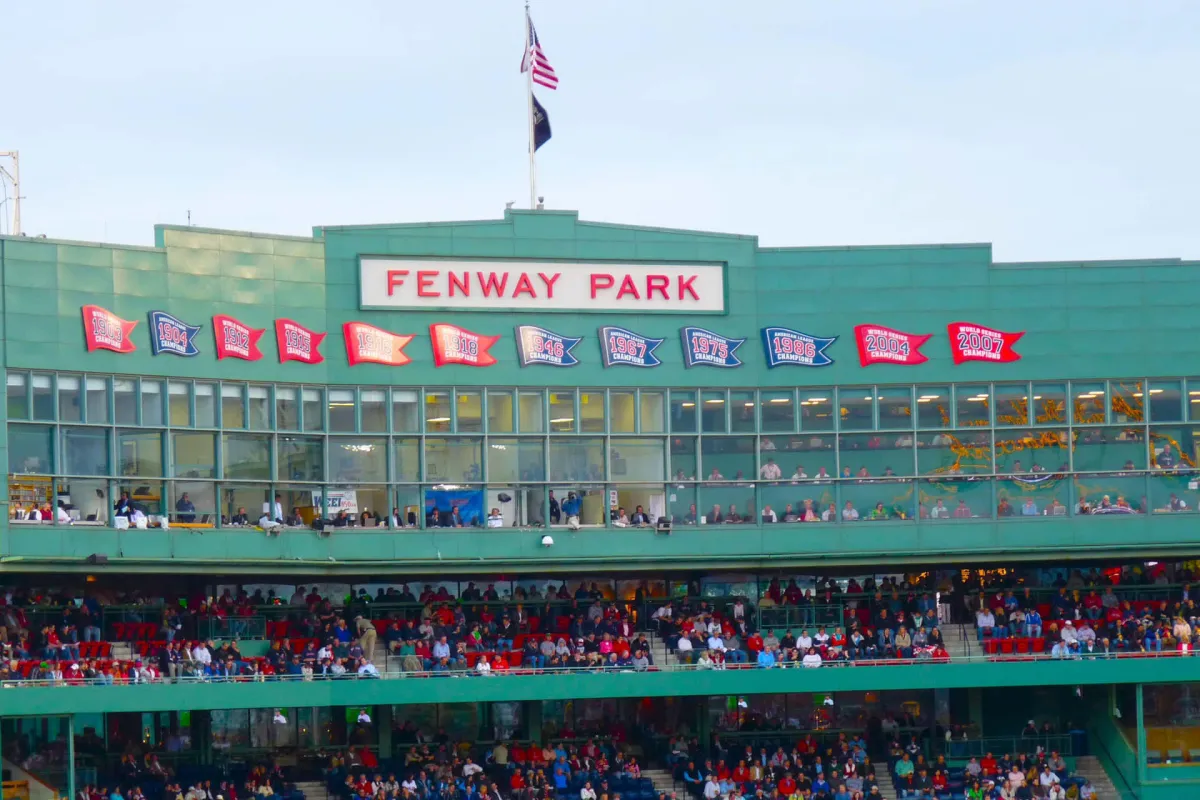 Photo: Fenway Park, via wallpapers.com
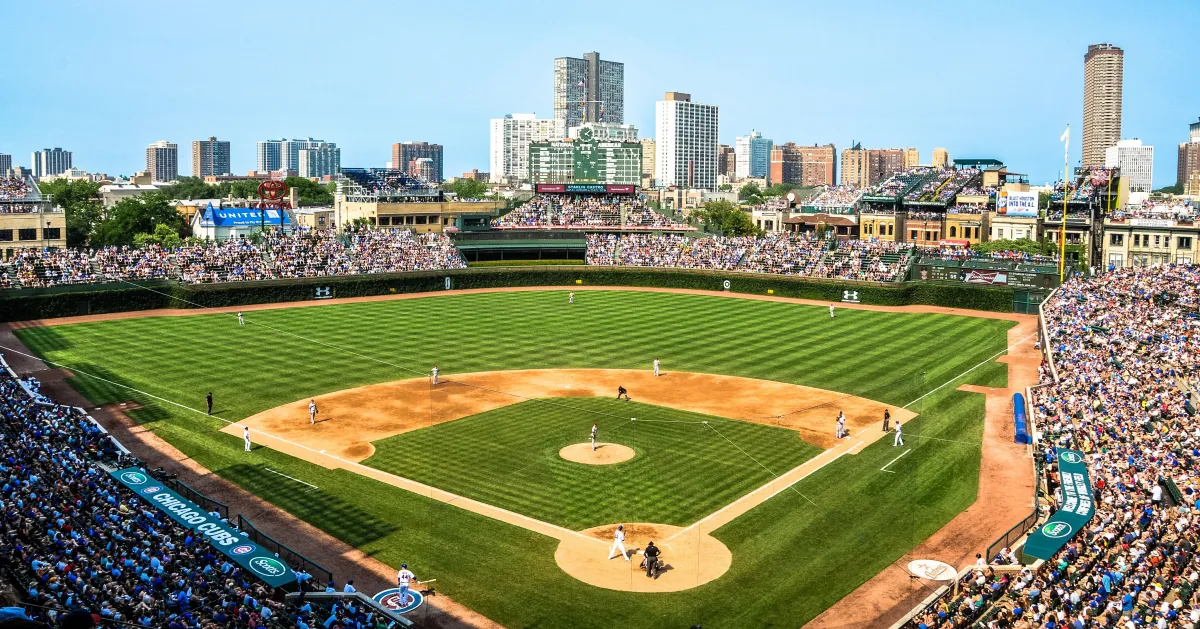 Photo: Wrigley Field, via i.pinimg.com
This wasn't an accident. It was baked into the geography and culture of how baseball was built. Old stadiums sat in urban neighborhoods. Fans walked from nearby apartment buildings or took public transit. The bleachers — the cheap seats in the outfield — were filled with the people who actually lived in those neighborhoods. Working-class fans, immigrant families, kids who'd saved up their allowance. They were loud, they were loyal, and they were the soul of the game.
Baseball called itself America's pastime, and for most of the sport's history, that wasn't marketing. It was accurate. The sport was genuinely democratic in a way that football and basketball, with their smaller venue capacities and higher-end price points, never quite managed.
The Economics of the Old Ballpark
Let's put some numbers to this, because the contrast is striking.
In 1970, the average ticket to a Major League game cost around $1.50. Adjusted for inflation, that's roughly $12 in today's money. The current average ticket price across MLB is over $35 — and that's the average, which gets dragged down by smaller markets. At Fenway Park, the average is closer to $70. At Dodger Stadium, premium field-level seats routinely top $200 before you've touched a parking spot or bought a beer.
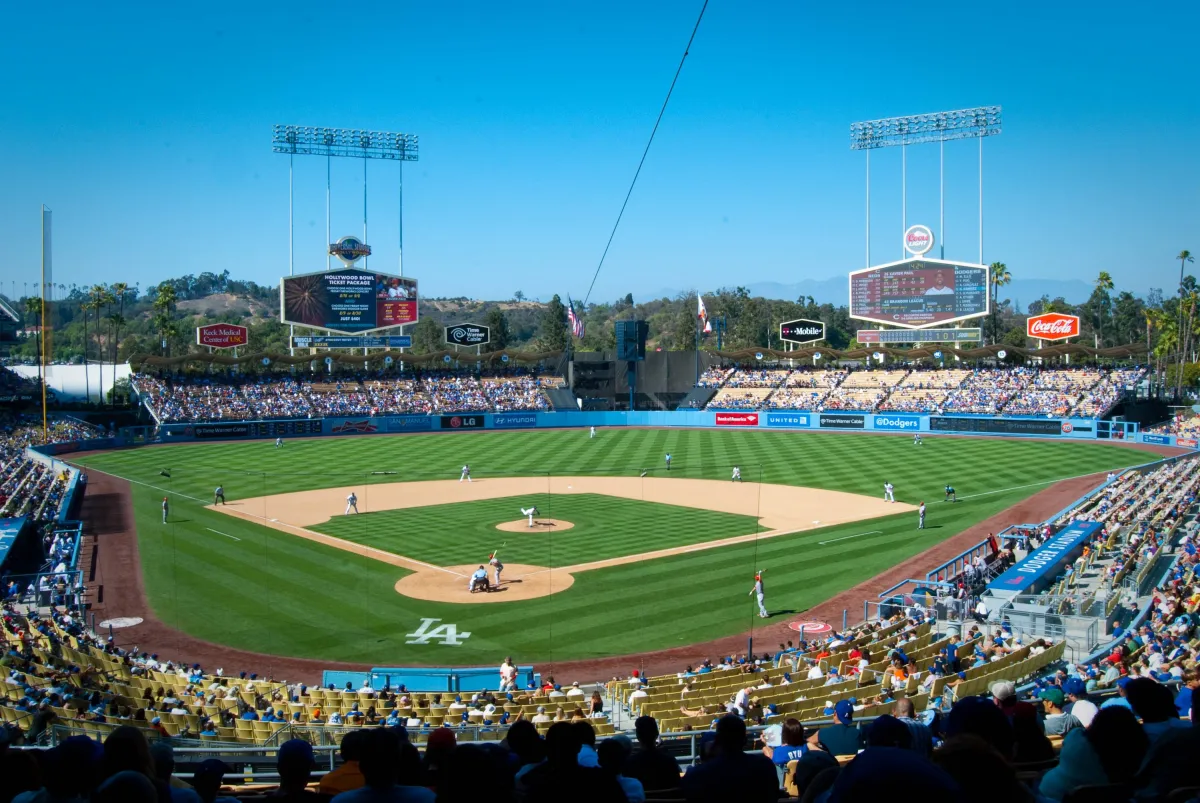 Photo: Dodger Stadium, via wallpapercave.com
A family of four attending a game in 1970 — tickets, hot dogs, sodas, maybe a program — might have spent the equivalent of $60 to $80 in today's dollars. The same outing at a major market stadium today can easily run $300 to $500 once you factor in parking, concessions, and seats that are actually visible from the field.
The math changed. And so did who shows up.
When the Stadiums Got Nicer and the Bleachers Got Smaller
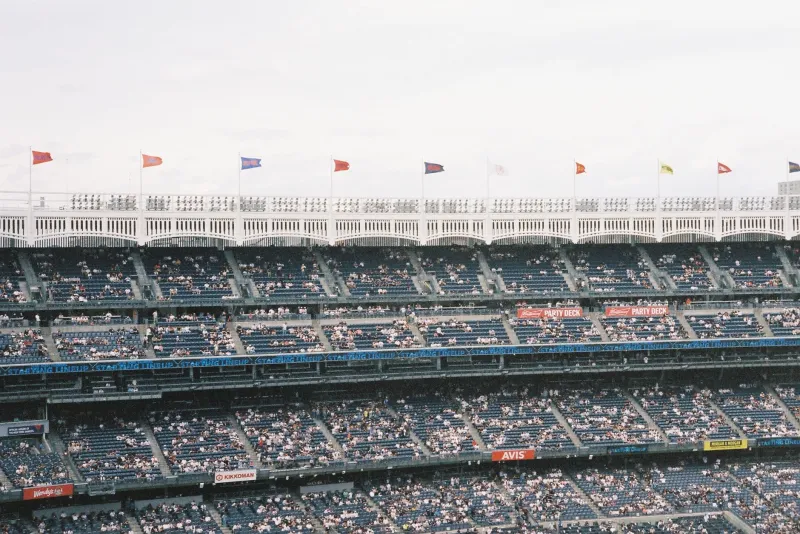
The transformation accelerated in the 1990s with the wave of new stadium construction that swept through Major League Baseball. Cities built gleaming retro-styled parks with natural grass, sight lines that were genuinely beautiful, and — critically — a whole new revenue architecture.
The old stadiums had been relatively egalitarian. You had good seats and bad seats, but the gap wasn't enormous. The new parks introduced something different: tiered pricing that created essentially separate experiences within the same building. Club levels. Premium seating. All-inclusive zones with wait service. Luxury suites that corporations bought by the season.
The bleachers didn't disappear, but they shrank in importance — both physically and economically. The revenue model shifted toward squeezing more money from fewer, wealthier fans rather than filling every seat with people who could barely afford to be there.
Dynamic pricing made it worse. Borrowed from the airline industry, dynamic pricing means that popular games — rivalry matchups, weekend dates, playoff pushes — can see ticket prices surge to two or three times their base value. The working-class fan who wants to take his kids to a Saturday game against the Yankees isn't just paying more than his grandfather did. He's paying more than he would have paid for the same seat on a Tuesday in April.
The Neighborhood That Used to Own the Team
There's a social dimension to this that the numbers alone don't fully capture.
The old urban ballparks existed in a relationship with their surrounding communities. Wrigley Field and the Wrigleyville neighborhood grew up together. Fenway and the Kenmore Square area developed a symbiosis over decades. The fans in the bleachers weren't just customers — they were neighbors. They walked to games. They argued about the team at local bars. They passed the loyalty down to their kids not as a luxury experience but as a neighborhood ritual.
Many of those old neighborhoods have since gentrified, and the stadiums have followed. The bars near the ballpark charge the same prices as the ballpark itself. The surrounding real estate has priced out the families who used to be the core audience. The experience of attending a Major League game has been repositioned upmarket, and the communities that originally gave these franchises their identity often can't afford to participate anymore.
Who's Watching Now
Baseball has noticed. Attendance has been a concern for the league for years, and the demographic data is uncomfortable — the sport's audience is aging, and younger Americans are less engaged with baseball than any previous generation.
The league has responded with rule changes designed to speed up games and make the product more exciting on broadcast. Some of those changes have been genuinely effective. But the underlying economic problem — that the live experience has priced out the fans who once built the culture around it — hasn't been addressed in any serious way.
The irony is that the people who made baseball America's pastime were exactly the kind of fans that modern pricing strategies have pushed to the margins. The sport was democratic because it was cheap. It was beloved because it was accessible. It was culturally central because it didn't require wealth to participate.
The bleacher seat used to be where baseball's most passionate fans sat — sunburned, loud, and completely invested in every pitch. Now those seats are often the last to sell, because the fans who used to fill them are watching from home instead.
Something got lost in the renovation. And it cost a lot more than a ticket.