The $8 Dental Visit That Kept America Smiling: When Oral Health Wasn't a Luxury
When the Dentist Knew Your Name
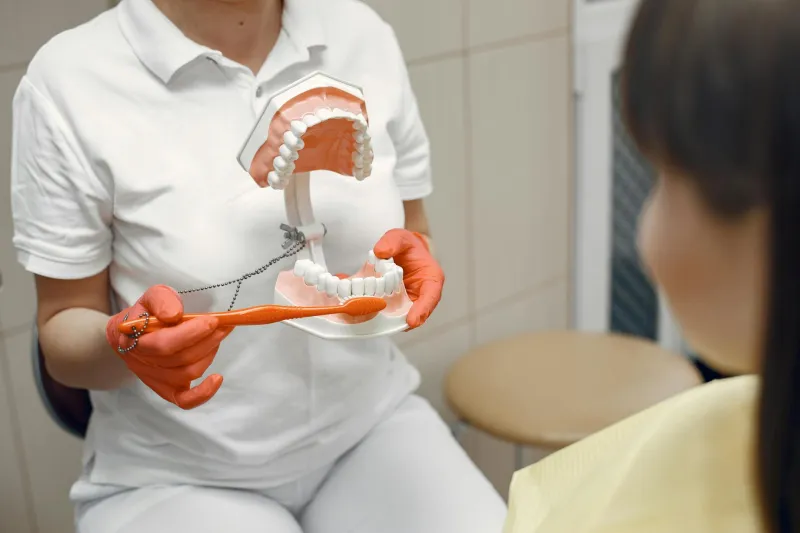
Dr. Patterson's dental office occupied the second floor above Murphy's Hardware on Main Street, and everybody in town knew exactly what a visit would cost. A routine cleaning ran $8 — about $55 in today's money. A filling cost $15. Even a root canal, the most expensive common procedure, rarely exceeded $50.
 Photo: Murphy's Hardware, via www.puglia.com
 Photo: Main Street, via a.d-cd.net
More importantly, Dr. Patterson had been treating the same families for decades. He remembered when little Tommy lost his first tooth, watched Sarah get her braces off, and helped her parents budget for the orthodontic work over two years of payment plans that never involved credit checks or financing companies.
That personal, affordable dental care created an America where working-class families could maintain healthy smiles without choosing between teeth and groceries.
The Economics That Actually Worked
In 1970, the average dental visit consumed about 2% of a family's monthly income. Today, that same percentage would buy maybe half a cleaning at most practices. But the real difference wasn't just price — it was the entire economic structure that supported accessible oral healthcare.
Most dental practices operated as true small businesses, not corporate profit centers. Dr. Patterson owned his building, employed two assistants he'd trained himself, and charged fees that covered his modest lifestyle while keeping care affordable for teachers, factory workers, and shop owners.
Insurance existed but wasn't essential. Families paid cash for routine care and saved insurance for major procedures. This direct-pay model kept costs transparent and administratively simple — no claim forms, prior authorizations, or network restrictions.
When Prevention Was Actually Affordable
The old dental economy prioritized prevention because it made financial sense for everyone involved. Regular cleanings and checkups cost so little that most families could afford them twice yearly without thinking twice.
This created a virtuous cycle: early intervention prevented expensive problems, keeping both patient costs and dentist overhead manageable. Dr. Patterson could build a practice around routine maintenance rather than emergency procedures, creating steady income while keeping his community healthier.
Contrast this with today's reality, where many Americans skip preventive care due to cost, then face thousand-dollar emergency procedures that could have been avoided with $200 worth of regular cleanings.
How Dental Care Became Luxury Medicine
The transformation didn't happen overnight, but by the 1990s, dental practice had fundamentally changed. Corporate dental chains began replacing family practitioners. Insurance companies imposed complex reimbursement schemes that favored expensive procedures over prevention. Dental schools started graduating students with six-figure debt loads that required high-fee practices to repay.
The result was a perfect storm of cost inflation. Today's routine cleaning averages $200-300, while complex procedures can easily reach $3,000-5,000. What once represented a small portion of family budgets now requires careful financial planning or medical credit cards.
This pricing evolution has effectively created two classes of American dental patients: those who can afford regular care and those who endure pain until emergencies force expensive interventions.
The Insurance Illusion
Modern dental insurance promises affordability but delivers complexity. Most plans cap annual benefits around $1,500 — barely enough to cover two cleanings and a filling at current prices. Networks restrict provider choices. Prior authorizations delay treatment. Claims processing creates administrative overhead that increases costs for everyone.
Worst of all, dental insurance often costs more than the direct-pay prices that existed when Dr. Patterson hung his shingle. Families now pay monthly premiums, annual deductibles, and procedure copays that together exceed what comprehensive dental care once cost.
The insurance system that was supposed to make dental care accessible has instead made it more expensive and more complicated.
The Health Crisis Nobody Talks About
Today, 47% of American adults haven't seen a dentist in the past year, primarily due to cost concerns. This isn't just about aesthetics — poor oral health connects directly to heart disease, diabetes complications, and overall mortality.
The working-class families who once received regular dental care from Dr. Patterson now represent the largest group of adults with untreated dental disease. They earn too much to qualify for emergency Medicaid dental coverage but too little to afford private treatment.
This has created a hidden health emergency where millions of Americans live with chronic pain, infection risk, and social embarrassment because basic oral healthcare has been priced beyond their reach.
What We Lost With the Family Dentist
The disappearance of affordable, relationship-based dental care represents more than economic change — it's the loss of healthcare that treated patients as neighbors rather than profit centers.
Dr. Patterson knew which families struggled financially and adjusted payment plans accordingly. He understood that keeping the community healthy benefited everyone, including his practice. He built relationships that made patients comfortable seeking care before problems became emergencies.
Modern corporate dental chains optimize for efficiency and profit margins, not community health outcomes. The result is technically advanced care that fewer people can access, delivered by practitioners who may never see the same patient twice.
The Smile Gap That Divides America
Dental health has become one of the most visible markers of economic class in America. Healthy, straight teeth signal access to resources that millions of working families simply don't have. Poor oral health creates employment barriers, social stigma, and health complications that compound over time.
This wasn't inevitable — it's the direct result of transforming essential healthcare into a luxury service. Other developed countries maintain affordable dental care through different economic models, proving that accessible oral health is a policy choice, not a natural law.
The Price of Perfect Smiles
America's dental system now delivers world-class cosmetic procedures for those who can afford them while leaving nearly half the population with inadequate basic care. We've optimized for advanced technology and corporate profits rather than community health outcomes.
The $8 dental visit that kept America smiling wasn't perfect, but it was accessible. Today's system is technically superior but socially dysfunctional, creating a health crisis that Dr. Patterson would have found both medically and morally incomprehensible.
When oral healthcare became unaffordable for working families, America stopped smiling — and started suffering in silence.