Before Plastic Wrap Took Over: When Your Butcher Was Your Food Advisor
The Man Behind the Counter Who Knew Meat
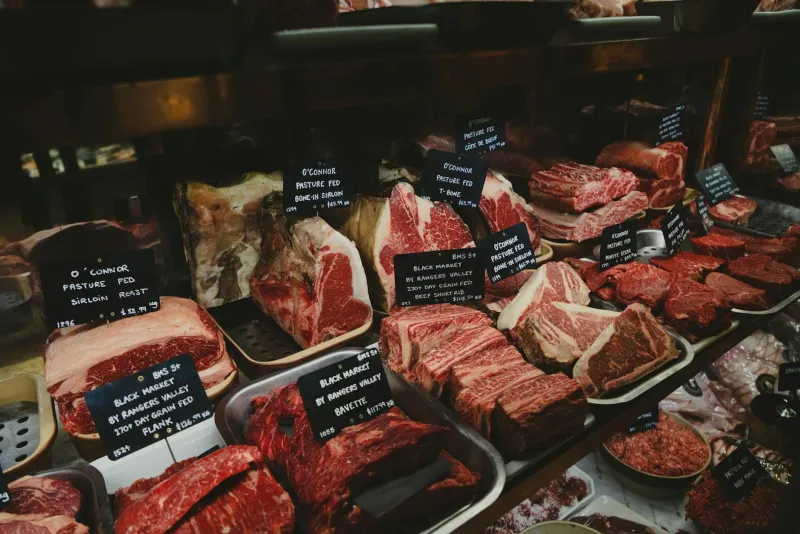
Walk into Sal's Butcher Shop on any Saturday morning in 1978, and you'd find more than just meat for sale. Behind the white-tiled counter stood a man who could tell you which farm raised the beef, how long it had been aged, and exactly how to cook it for your family's Sunday roast. Sal knew that Mrs. Patterson preferred her lamb chops thick-cut, that the Kowalski family needed enough ground beef for their weekly meatloaf marathon, and that young couples just starting out needed guidance on stretching cheaper cuts into memorable meals.
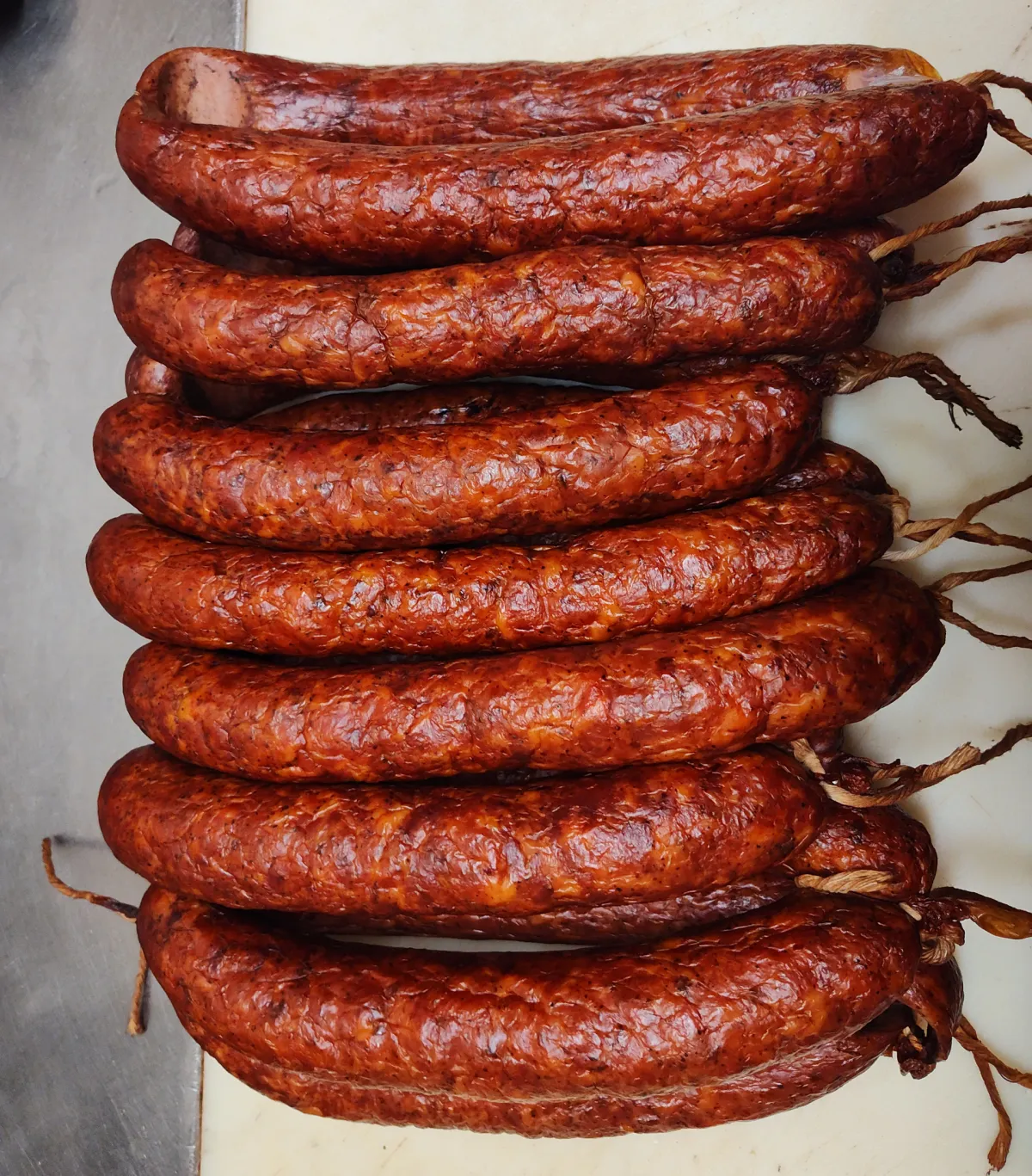 Photo: Sal's Butcher Shop, via cdn11.bigcommerce.com
This wasn't just commerce — it was culinary education happening one transaction at a time. The neighborhood butcher served as America's unofficial cooking instructor, teaching generations of home cooks how to transform raw protein into family dinners that became cherished memories.
Today, that expertise has been replaced by fluorescent-lit meat aisles where shrink-wrapped packages offer no clues about origin, aging, or preparation. We've gained convenience and lost wisdom, traded personal service for plastic efficiency.
When Meat Had a Story
In the era of neighborhood butchers, your dinner had a biography. Sal could tell you that the ribeye steaks came from Johnson's farm, about 40 miles east, where the cattle grazed on pasture until October. He knew which cuts had been dry-aged in his own cooler for 21 days, developing the complex flavors that made special occasions truly special.
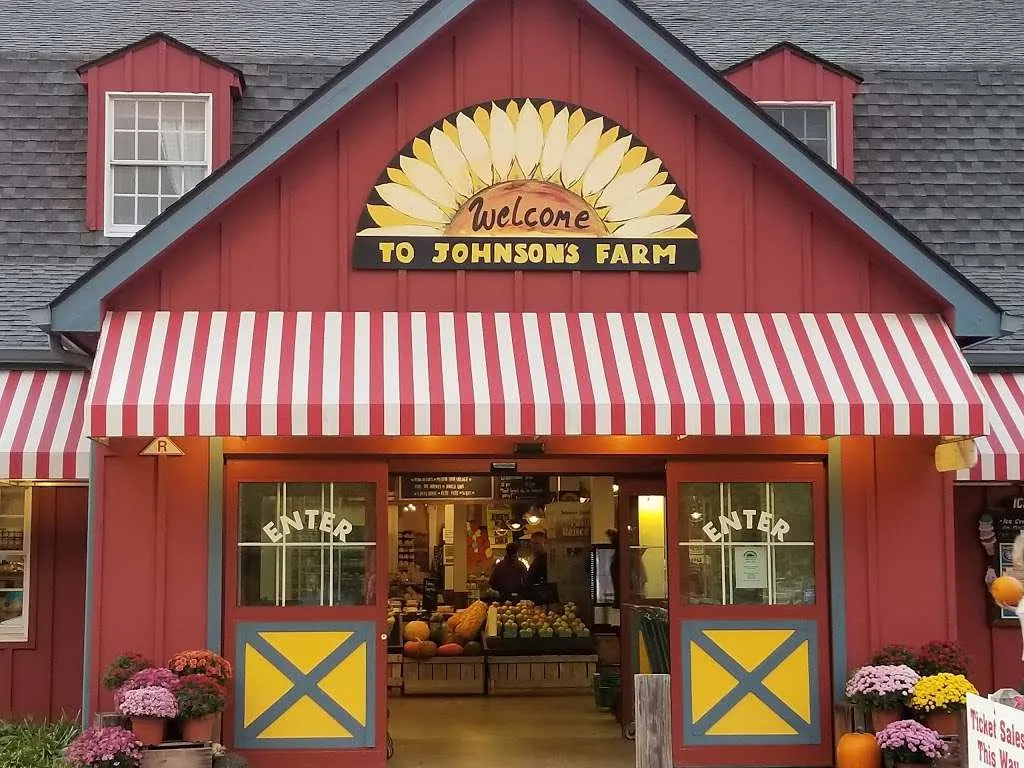 Photo: Johnson's farm, via cdn.businessyab.com
The meat arrived as whole animals or large sections, and Sal broke them down himself, understanding each muscle group and how different cuts would perform under heat. A good butcher could look at a piece of beef and predict exactly how it would taste, how long it would take to cook, and what cooking method would bring out its best qualities.
This knowledge wasn't academic — it was practical wisdom earned through years of handling meat daily. Butchers learned their trade through apprenticeships, working alongside masters who had learned from their own mentors in an unbroken chain of culinary knowledge stretching back generations.
The Supermarket Revolution
The shift began in the 1960s as supermarket chains expanded across America, promising one-stop shopping and lower prices. Centralized meat processing plants could break down animals more efficiently than individual butchers, vacuum-seal the cuts for longer shelf life, and distribute them to stores across the country.
What seemed like pure progress came with hidden costs. The expertise that once lived behind every butcher counter was concentrated in a few processing facilities, where efficiency mattered more than individual customer needs. The relationship between consumer and meat became transactional rather than educational.
Supermarket meat departments tried to maintain some of the old service model, but the economics didn't work. Training employees to be knowledgeable about meat was expensive, and customers seemed willing to trade expertise for convenience. Pre-packaged portions moved faster than custom cuts, and profit margins improved when customers couldn't ask for special preparation.
What We Lost in Translation
The disappearance of neighborhood butchers changed how Americans eat in ways we're still discovering. Without expert guidance, many home cooks became intimidated by anything beyond ground beef and chicken breasts. The art of cooking tougher, more flavorful cuts — the kind that required patience and technique — began to fade from American kitchens.
Sal would have steered you toward a chuck roast for your Sunday dinner, explaining how slow braising would transform the tough connective tissue into rich, tender meat. Today's supermarket shopper sees chuck roast as inferior to more expensive cuts, missing out on both flavor and value.
The butcher also served as a buffer against food waste. He could suggest alternative cuts when you couldn't afford your first choice, recommend smaller portions for single diners, or explain how to use every part of your purchase. Modern meat packaging encourages standard portions and standard cuts, regardless of actual need or budget.
The Mystery Meat Era
Perhaps most significantly, we've lost track of where our food comes from. The neighborhood butcher sourced from local and regional farms, creating transparency that helped consumers make informed choices. Today's supermarket meat travels an average of 1,500 miles from farm to store, passing through multiple processing facilities where its origin becomes increasingly obscured.
Most Americans couldn't tell you what state their dinner came from, let alone what farm. We've gained access to year-round availability and consistent pricing, but we've lost the seasonal rhythms and regional flavors that once connected us to the land that fed us.
This disconnect has health implications too. The butcher knew which farms used antibiotics and which didn't, which cattle were grass-fed and which were grain-finished. He could guide customers toward healthier choices based on personal knowledge rather than marketing labels.
The Skills We Never Learned
Without butchers to teach us, entire generations of Americans never learned basic meat preparation skills. How many people today know how to properly trim a roast, tie a leg of lamb, or butterfly a chicken breast? These weren't advanced culinary techniques — they were everyday skills that saved money and improved meals.
The butcher would sharpen your knives, teach you proper cutting techniques, and show you how to store meat safely. He'd explain why some cuts needed high heat and quick cooking while others required low and slow preparation. This education happened naturally, embedded in the shopping experience rather than requiring separate cooking classes or YouTube tutorials.
What's Coming Back
Interestingly, the artisanal butcher is making a comeback in many American cities, driven by consumers who want that lost connection to their food. These new-generation butchers combine old-school knowledge with modern understanding of nutrition and sustainability, offering something that supermarkets can't match.
These shops serve customers who are willing to pay more for expertise, transparency, and quality. They're proving that the human element in food retail isn't obsolete — it's just been temporarily displaced by the pursuit of efficiency.
The True Cost of Convenience
The supermarket meat aisle represents one of the most complete transformations in how Americans shop for food. We gained convenience, consistency, and often lower prices. But we lost knowledge, connection, and often flavor.
Sal's butcher shop closed in 1987, replaced by a chain store that offered more selection at lower prices. The neighborhood lost more than just a business — it lost a repository of culinary wisdom that had taken decades to accumulate.
Today's meat shopping experience is undeniably more efficient, but efficiency isn't everything. Sometimes the slower, more personal way of doing things creates value that can't be measured in dollars or time saved. The butcher who knew your family's preferences and your budget constraints offered something that no algorithm or plastic package can replicate: the irreplaceable value of human expertise applied to your specific needs.