When Your Pharmacist Was Also Your Neighbor: How America's Corner Drugstore Became a Corporate Machine
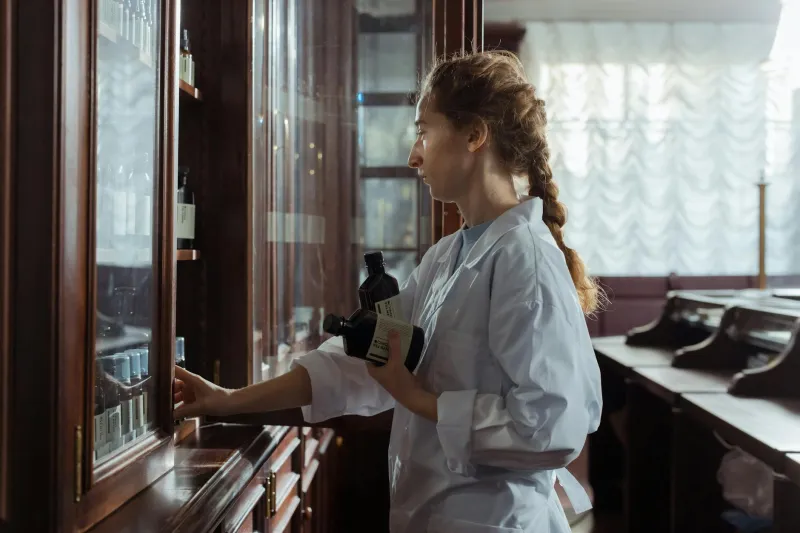
The Pharmacist Who Knew Everyone's Story
Walk into Miller's Pharmacy in 1975, and Joe Miller would greet you by name before you reached the counter. He knew your mother's arthritis flared up in winter, that your teenage son needed acne medication, and exactly which generic brand worked best for your blood pressure pills. The prescription you dropped off during lunch would be ready by 3 PM — no questions asked, no insurance cards declined, no automated phone trees to navigate.
This wasn't exceptional service. This was just how pharmacies worked in America for most of the 20th century.
Today, that same corner might house a CVS or Walgreens where your prescription sits in limbo for hours while automated systems battle with insurance networks, and the pharmacist — if you can find one who isn't buried behind a computer screen — might see 300 customers a day instead of Joe Miller's 50.
When Filling Prescriptions Was Actually Simple
The transformation of America's pharmacy experience represents one of the most dramatic shifts in how we access healthcare. In 1970, the average independent pharmacy filled about 150 prescriptions per day. The pharmacist had time to explain medications, catch dangerous drug interactions through personal knowledge, and even offer basic health advice that families relied on.
"Mrs. Johnson, this new heart medication might make you dizzy for the first few days," Joe Miller might say, handing over a bottle with a handwritten label. "Call me if you have any problems, and don't take it with that arthritis cream Dr. Peterson prescribed last month."
No computer system flagged that interaction — Miller just remembered.
Compare that to today's chain pharmacy experience: automated phone systems, insurance pre-authorizations that can delay prescriptions for days, and pharmacists who might fill 500+ prescriptions per shift while juggling insurance rejections, prior authorization requests, and corporate metrics that prioritize speed over service.
The Corner Store That Sold Everything
The old neighborhood drugstore wasn't just about prescriptions. These were community anchors that sold everything from birthday cards to baby formula, often serving as informal town squares where neighbors caught up on local news. The soda fountain wasn't just nostalgia — it was a genuine social hub.
Pharmacist-owners like Miller knew their customers' lives because they were part of the same community. They attended the same churches, shopped at the same grocery stores, and sent their kids to the same schools. This wasn't just business — it was personal investment in neighborhood health.
When Mrs. Peterson's husband died in 1978, Miller knew she might struggle to afford her medications. He'd quietly work out payment plans or find generic alternatives without the bureaucratic maze of today's patient assistance programs.
The Corporate Takeover Nobody Saw Coming
The shift began in the 1980s as chain pharmacies started acquiring independent stores. What seemed like simple business consolidation fundamentally changed how Americans access medications. By 2020, just three companies — CVS Health, Walgreens, and Walmart — controlled over 60% of prescription dispensing in America.
This consolidation brought efficiency and lower costs in some areas, but it also transformed pharmacies from neighborhood institutions into corporate retail outlets optimized for volume, not relationships.
Today's pharmacy technicians might work at five different locations in a month. The pharmacist you spoke with last Tuesday might be covering shifts 50 miles away this week. The personal knowledge that once prevented dangerous drug interactions has been replaced by computer algorithms that catch obvious problems but miss the subtle patterns that come from knowing patients personally.
When Insurance Made Everything Complicated
Perhaps the biggest change isn't corporate ownership — it's how we pay for medications. In 1970, most prescriptions were paid for directly, with insurance covering only major medical expenses. A month's supply of blood pressure medication might cost $8, paid in cash with no questions asked.
Today's prescription process involves insurance networks, formulary restrictions, prior authorizations, and copay structures so complex that even pharmacists struggle to explain them. What used to take five minutes — hand over prescription, pay pharmacist, get medication — now involves multiple computer systems, insurance verification, and often lengthy delays for approval.
The result? Prescriptions that sit unfilled for days while insurance companies and pharmacy benefit managers negotiate coverage, leaving patients caught in the middle of a system that prioritizes cost control over immediate access to needed medications.
The Personal Touch That Technology Can't Replace
Modern pharmacy chains offer conveniences that Joe Miller never could: 24-hour locations, drive-through service, automatic refills, and text message reminders. These improvements genuinely help many people manage their medications more effectively.
But something irreplaceable was lost in the transition. The pharmacist who knew that your family had unusual reactions to certain antibiotics, who remembered that you worked night shifts and needed to time medications accordingly, who could spot potential problems because they understood your complete health picture — that level of personalized care is nearly impossible when serving hundreds of customers daily.
Today's pharmacists are often highly skilled professionals trapped in systems that prevent them from using their expertise effectively. They spend more time fighting insurance rejections and meeting corporate quotas than counseling patients about their medications.
The Neighborhood We're Still Looking For
The corner drugstore represented something deeper than convenient prescription service — it embodied the idea that healthcare could be both personal and accessible. When your pharmacist was also your neighbor, medication management felt less like navigating a corporate bureaucracy and more like getting help from someone who genuinely cared about your wellbeing.
While we can't return to 1975, understanding what we've lost helps explain why so many Americans feel frustrated with their healthcare experiences. The efficiency gains of corporate consolidation came with real human costs that we're still calculating, one delayed prescription at a time.