When Your Banker Remembered Your Birthday — How Money Went From Personal to Digital
The Bank That Felt Like Family
Every Saturday morning in 1985, Margaret Chen would walk into First National Bank of Millfield with her weekly deposit from the family restaurant. The same teller, Dorothy, had been handling her transactions for seven years. Dorothy knew Margaret's daughter was starting college in the fall, that her husband's back surgery had gone well, and that business had been slow since the new highway bypass opened.
When Margaret needed a loan to renovate the restaurant's kitchen, she didn't fill out an online application or upload financial documents to a portal. She walked into branch manager Tom Sullivan's office, sat across from his desk, and explained her situation. Tom had approved loans for half the businesses on Main Street. He knew Margaret's reputation, her work ethic, and her standing in the community. The loan was approved with a handshake.
This wasn't unusual. This was just how banking worked.
When Banking Was a Social Institution
For most of the 20th century, your local bank branch operated more like a community center than a financial services provider. The same faces worked behind the teller windows for decades. Branch managers lived in the neighborhoods they served. Bank presidents sat on school boards and sponsored Little League teams.
Customers weren't account numbers—they were neighbors. Tellers remembered whether you preferred your cash in twenties or tens. They asked about your kids, your job, your vacation plans. When you moved to a new town, one of your first stops was the local bank to introduce yourself and establish relationships.
Loan decisions happened face-to-face, based on character as much as credit scores. Bank managers knew which families had weathered tough times before, which business owners were reliable, and which young couples were good investments despite their thin credit files. A recommendation from a longtime customer could make the difference between approval and rejection.
Saturday banking hours meant families made trips to the bank together. Children got their first savings accounts with ceremony, receiving passbooks that would be stamped by hand at each visit. Opening a checking account required a sit-down meeting with a bank officer who would explain fees, policies, and expectations.
The Great Consolidation
Then everything changed, though so gradually that most people barely noticed.
The 1980s brought deregulation and the beginning of bank consolidation. Small community banks were acquired by regional chains, which were then swallowed by national giants. Between 1985 and 2020, the number of commercial banks in America dropped from over 14,000 to fewer than 5,000.
With consolidation came standardization. Local decision-making disappeared as loan approval moved to centralized offices hundreds of miles away. Computer algorithms replaced personal judgment. The branch manager who knew your family was replaced by someone following corporate policies written in a distant headquarters.
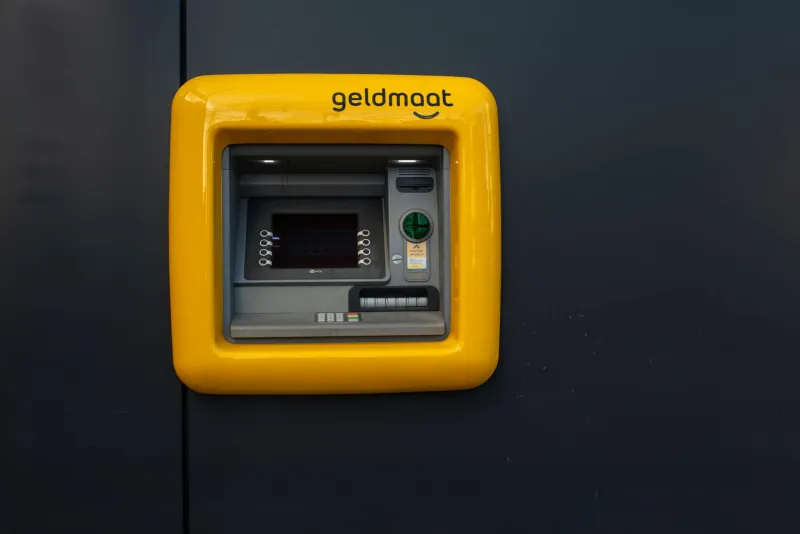
ATMs arrived in the 1980s, promising convenience but quietly beginning the process of removing human interaction from routine banking. Why wait in line to make a deposit when you could slide your card into a machine? The personal touch started feeling inefficient rather than valuable.
The Digital Revolution
Online banking in the 1990s accelerated the transformation. Suddenly, you could check balances, transfer money, and pay bills without ever visiting a branch. The convenience was undeniable, but it came at a cost: banking became a solitary activity performed on a computer screen rather than a social interaction.
Mobile banking apps completed the revolution. Today, you can open a new account, apply for a loan, and deposit checks without speaking to a human being. Artificial intelligence chatbots handle customer service. Algorithms instantly approve or deny loan applications based on credit scores and income verification.
The efficiency is remarkable. What once required a trip to the bank, a wait in line, and a conversation with a teller can now be accomplished in seconds from your phone. But something fundamental was lost in translation.
What We Gained and Lost
The numbers tell part of the story. Modern banking is faster, cheaper, and more accessible. You can access your account 24/7 from anywhere in the world. Fees for basic services have generally decreased when adjusted for inflation. Loan approvals that once took days now happen in minutes.
But the intangible losses are harder to measure. Banking relationships that once lasted decades now barely exist. Financial decisions that once involved trusted advisors are now made through comparison websites and online reviews. The social fabric that connected banks to their communities has largely unraveled.
Young adults today often choose banks based on app ratings rather than community ties. They optimize for the best interest rates and lowest fees, switching institutions as easily as changing streaming services. The idea of a "family bank" that serves multiple generations has become almost quaint.
The Human Element That Algorithms Can't Replace
Something irreplaceable was lost when banking became purely transactional. The local bank manager who might approve a loan for someone going through temporary hardship has been replaced by inflexible credit scoring models. The teller who noticed unusual account activity and called to check on an elderly customer has been replaced by fraud detection software that freezes accounts first and asks questions later.
Community banks still exist, and some maintain elements of the old relationship-driven model. But they serve a shrinking portion of American banking customers, competing against digital-first institutions that can offer better rates and more convenient services.
The Price of Frictionless
Today's banking experience is undeniably more efficient. But efficiency and relationship are often opposing forces. The friction of walking into a branch, waiting in line, and making small talk with a teller wasn't just inconvenience—it was the foundation of trust and community connection.
We've gained speed, convenience, and cost savings. We've lost the human relationships that once made banking a cornerstone of community life. Whether that trade-off was worth it depends on what you value more: the efficiency of tapping your phone or the comfort of being known by name.
The neighborhood bank that remembered your birthday is mostly gone. In its place, we have apps that remember everything about our financial behavior but nothing about who we are as people. Progress, perhaps, but not without its own price.