When Saying 'I Do' Didn't Break the Bank: How Weddings Became America's Most Expensive Party
Picture this: It's 1975, and your neighbor just got married. The ceremony was at the local church, the reception in the church hall with folding tables and homemade decorations. Her dress came from the department store for $150, the flowers were picked from family gardens, and Aunt Martha made the three-tier cake. Total cost? About $2,800 — roughly what you'd pay for a reliable Ford Pinto.
Fast forward to today, and that same celebration would easily run $35,000 to $40,000, according to industry data. But here's the kicker: it's not just inflation that turned weddings into financial marathons. Something fundamental shifted in how Americans think about marriage celebrations, and it reveals a lot about how we've commercialized even our most intimate moments.
The Numbers That Tell the Story
In 1980, the average American wedding cost about $4,000 in today's dollars when adjusted for inflation. By 2023, that figure had ballooned to nearly $35,000 — an increase that far outpaces inflation, housing costs, or even college tuition. To put this in perspective, couples in the early 1980s spent about 15% of their annual household income on their wedding. Today's couples are dropping closer to 40% of their yearly earnings on a single day.
The shift becomes even more dramatic when you consider what people were actually buying. In 1975, wedding photography meant hiring the local portrait photographer for a few hours and getting back a single album. Today, couples routinely hire multiple photographers, videographers, and even drone operators to capture every moment from twelve different angles.
When Did Weddings Become Productions?
The transformation didn't happen overnight. Several cultural forces converged in the 1980s and 1990s to turn modest celebrations into elaborate productions. The rise of wedding magazines created new standards for what a "proper" wedding should look like. Martha Stewart's empire convinced couples that every detail needed to be Pinterest-perfect. Reality TV shows about bridezillas and wedding disasters simultaneously mocked and celebrated wedding excess.
But perhaps most importantly, the wedding industry itself became professionalized. What used to be handled by family members and local businesses — the church ladies who arranged flowers, the neighbor who played piano, the family friend who took photos — gradually got outsourced to specialized vendors who charged specialized prices.
The Venue Revolution
Nothing illustrates this shift better than wedding venues. In the 1970s, most weddings happened in churches, community centers, or family backyards. The "reception" often meant coffee and cake in the church basement, with maybe some dancing if someone brought a record player.
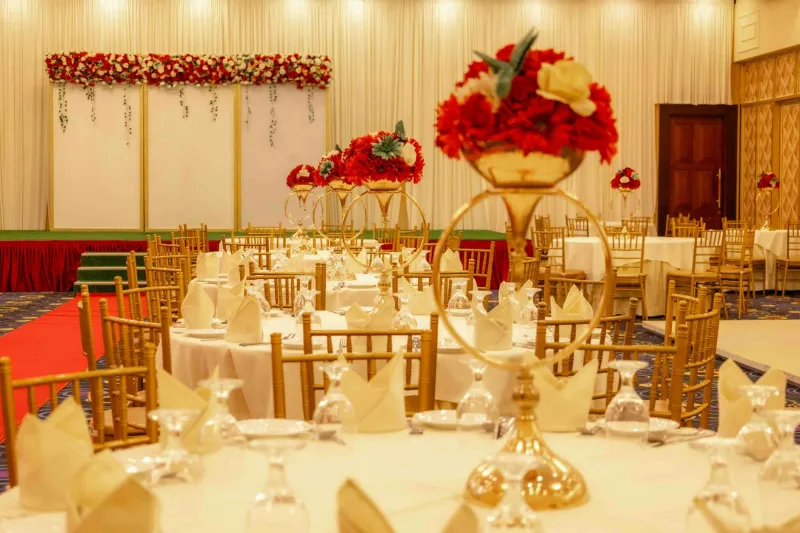
Today, the average couple spends $10,000 just on their venue — more than many entire weddings cost a generation ago. Specialized wedding venues didn't even exist in most American towns before the 1990s. Now they're everywhere, complete with bridal suites, coordinator services, and package deals that start at $15,000 and climb quickly from there.
The Expectation Explosion
Modern weddings come with a checklist that would have baffled couples from previous generations. Engagement parties, bridal showers, bachelor and bachelorette parties (often involving travel), rehearsal dinners, welcome bags for out-of-town guests, and day-after brunches. Each event requires its own planning, budget, and stress.
The average American wedding now involves 150 guests, compared to about 75 in the 1970s. Couples feel pressure to invite not just close family and friends, but work colleagues, distant relatives, and social media acquaintances. More guests mean bigger venues, more food, more everything.
The Real Cost of Wedding Culture
This isn't just about sticker shock. The financialization of weddings has real consequences for how Americans start their marriages. About 30% of couples now go into debt to pay for their weddings, with the average wedding debt hovering around $15,000. Some couples delay buying homes, starting families, or building emergency funds because they're still paying off their wedding celebration.
Even more tellingly, some couples are delaying or avoiding marriage altogether because of cost concerns. The elaborate wedding has become so culturally expected that couples feel they can't get married "properly" without the full production — so they wait until they can afford it, sometimes for years.
The Backlash Begins
Interestingly, some couples are starting to push back. The COVID-19 pandemic forced many to scale down their celebrations, and some discovered they preferred the intimacy of smaller gatherings. "Micro-weddings" and elopements are trending upward, though they still represent a small fraction of American weddings.
Others are finding middle ground by DIY-ing certain elements or choosing non-traditional venues. But even these "budget" approaches often cost more than the elaborate weddings of previous generations.
What We Lost Along the Way
The most striking thing about wedding inflation isn't just the money — it's what got lost in translation. Those 1970s church hall receptions weren't elegant by today's Instagram standards, but they were community celebrations. Extended families and church congregations pitched in with labor and love. The focus was on the couple and their commitment, not on creating a perfect event.
Today's wedding industry has certainly created more beautiful celebrations and more professional services. But somewhere along the way, we turned one of life's most meaningful transitions into one of its most expensive purchases. The question isn't whether couples deserve beautiful weddings — it's whether we've made them so expensive that we've forgotten what we're actually celebrating.