The Last Picture Show Was Everyone's Picture Show
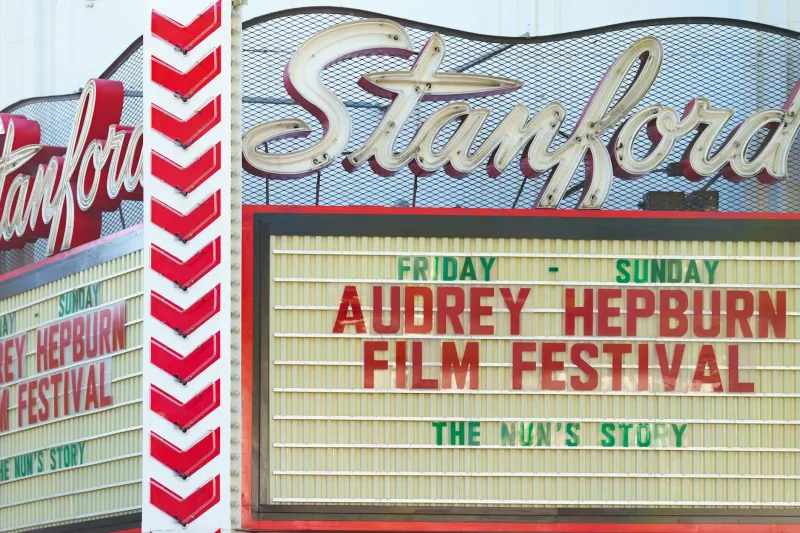
Drive through any American town today and you'll spot the ghosts: empty buildings with distinctive sloped roofs and faded marquees, relics of an era when Saturday night entertainment had exactly one address. These weren't just movie theaters — they were the beating heart of community life, places where factory workers sat next to bank presidents, where first dates happened in the back row, and where an entire town could be moved to tears or laughter at exactly the same moment.
The Regal Cinema at the mall might have sixteen screens, but it'll never have what the old Paramount Theater downtown possessed: the power to unite a community around a single story.
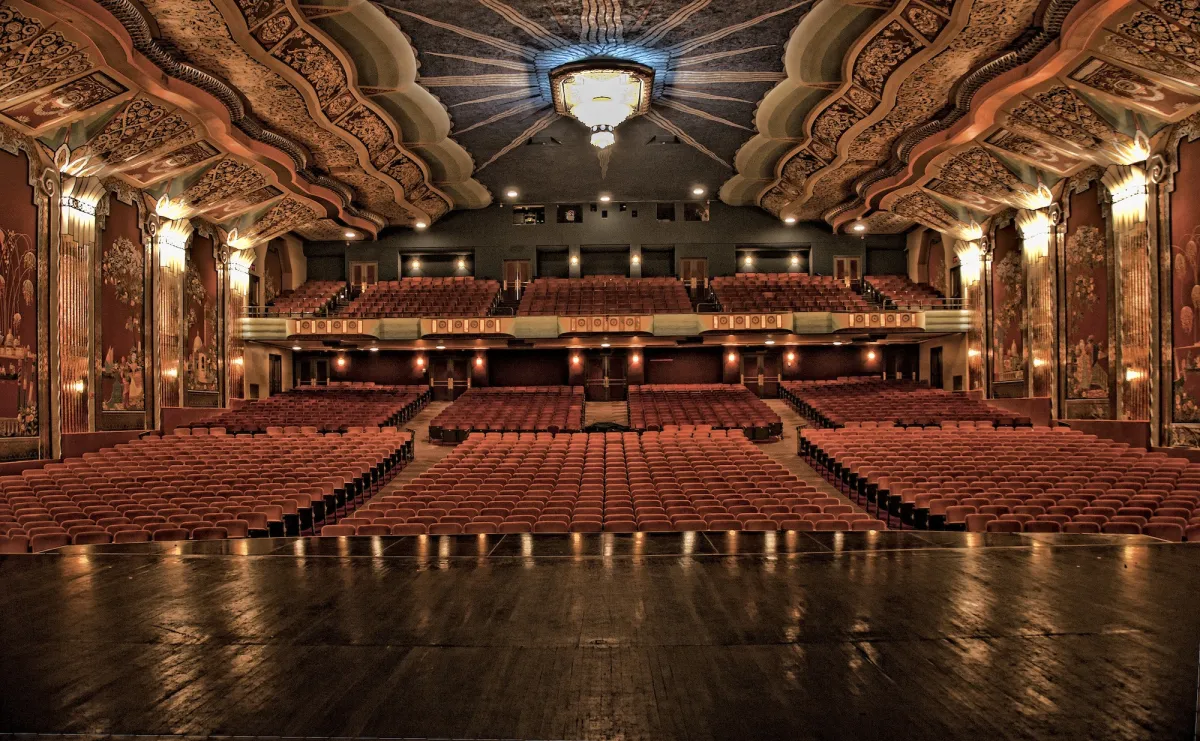 Photo: Paramount Theater, via paramountaurora.com
When 25 Cents Bought More Than a Ticket
In 1955, a movie ticket cost about a quarter. Adjusted for inflation, that's roughly $2.75 today — but the real value went far beyond the price. That quarter bought you a guaranteed seat in America's living room, where the projectionist knew your name and the concession stand lady remembered how you liked your popcorn.
More importantly, it bought you citizenship in a shared cultural moment. When "Rebel Without a Cause" played at the Rex Theater, everyone in town eventually saw it. Monday morning at the diner, the factory, or the beauty parlor, the conversation starter was obvious: "Did you catch the picture this weekend?"
Today's streaming landscape offers infinite choice but zero shared experience. Netflix's algorithm ensures that even people living on the same street are watching completely different content. We've gained convenience but lost the cultural glue that once bound communities together through common stories.
The Theater Owner Who Knew Everyone's Story
Harold Brennan ran the Majestic Theater in Cedar Rapids, Iowa, for thirty-seven years. He knew which couples were fighting (they sat on opposite sides of the aisle), which kids were saving up their allowance for weeks to afford a ticket, and which elderly regulars needed help finding their seats in the dark.
 Photo: Harold Brennan, via img.newspapers.com
 Photo: Cedar Rapids, Iowa, via www.worldatlas.com
This wasn't unusual — it was standard. Theater owners were community figures, not corporate employees. They chose which films to show based on what they thought their neighbors would enjoy, not what a distant algorithm recommended. They extended credit to families going through tough times, held special screenings for local high school graduations, and served as informal town historians who could tell you which movies played during which major local events.
The multiplex manager at today's AMC doesn't know anyone's name. They're not supposed to — efficiency demands anonymity. But something profound was lost in that transaction: the human connection that made going to the movies feel like visiting a neighbor rather than consuming a product.
When Entertainment Was an Event, Not an Algorithm
The old neighborhood theater operated on scarcity, and scarcity created value. If you missed "Casablanca" during its two-week run at the Palace, you might not see it again for years. This limitation forced communities to synchronize their entertainment consumption in ways that seem almost quaint today.
Families planned their weeks around what was playing. Churches adjusted evening service times to accommodate popular films. Local newspapers ran detailed reviews because everyone in town was going to see the same three or four movies that month.
Contrast this with today's paradox of choice. Netflix offers thousands of titles, but the average viewer spends 18 minutes browsing before settling on something to watch. We have access to virtually every film ever made, yet we've never been more isolated in our entertainment choices.
The Economics of Shared Stories
The single-screen theater's business model was beautifully simple: one film, one screen, maximum community impact. Theater owners could afford to take risks on smaller films because they knew their audience personally. If the Methodist minister recommended a picture, half the congregation would show up.
This created a feedback loop that strengthened community bonds. The theater needed the community's support, so it programmed films that reflected local values and interests. The community, in turn, treated the theater as a civic institution worth preserving.
Today's entertainment industry operates on completely different principles. Streaming services use data analytics to deliver personalized content to individual users, optimizing for engagement rather than community building. The result is more efficient entertainment delivery but less social cohesion.
What We Lost When the Lights Went Out
The death of the neighborhood theater wasn't just about changing technology or business models — it marked the end of America's last truly democratic cultural institution. Rich and poor, young and old, conservative and liberal all sat in the same dark room, laughing and crying at the same moments.
That shared experience created a common vocabulary of references, jokes, and emotional touchstones that helped diverse communities find common ground. When everyone had seen "It's a Wonderful Life" or "The Best Years of Our Lives," those films became part of the local cultural DNA.
Today's fragmented entertainment landscape offers unprecedented choice and convenience, but it's also created unprecedented isolation. We're all watching different things in our separate homes, connected to global networks but disconnected from our neighbors.
The Community That Darkness Built
The old movie theater taught Americans how to be an audience — not just consumers, but participants in a collective experience. The darkness made everyone equal, the shared screen gave everyone the same story, and the ritual of gathering created bonds that extended far beyond the theater walls.
We've gained the ability to watch anything, anywhere, anytime. But we've lost something harder to quantify and impossible to stream: the simple magic of being moved by the same story at the same time as everyone else in town.