When Cake and Ice Cream Was Enough: How Kids' Birthday Parties Became a $27 Billion Industry
When Cake and Ice Cream Was Enough: How Kids' Birthday Parties Became a $27 Billion Industry
In 1980, throwing a birthday party for your 7-year-old meant baking a cake the night before, hanging some streamers in the living room, and organizing a game of musical chairs. The biggest expense? A $3 pack of party hats from the local five-and-dime.
Today, that same celebration averages $427 per party, according to recent surveys. Somewhere between then and now, America turned childhood birthday parties into a competitive sport — and parents became the unwilling athletes.
The Backyard Birthday Revolution
Thirty years ago, birthday parties happened at home. Period. Mom would spend Saturday morning decorating the dining room with crepe paper streamers and balloons from the grocery store. The entertainment? Pin-the-tail-on-the-donkey, musical chairs, and maybe a treasure hunt if she was feeling ambitious.
The guest list rarely exceeded 8-10 kids — basically the birthday child's closest friends from school and the neighborhood. Parents would drop their kids off and return two hours later to pick up sugar-crashed children clutching small plastic bags filled with penny candy and a small toy.
Total cost for a party that left kids talking for weeks? Usually under $25, even accounting for inflation.
Enter the Birthday Industrial Complex
The shift began in the 1990s with the rise of Chuck E. Cheese and similar venues, but it accelerated dramatically in the 2000s. Suddenly, holding a party at home started to feel... inadequate.
"I remember the first time my daughter came home from a party at a rented venue with professional face painting," says Jennifer Martinez, a mother of two from Phoenix. "She asked why we couldn't do that for her birthday. I didn't have a good answer."
The birthday party industry — yes, it's now officially an industry — has exploded into a $27 billion market. That figure includes everything from venues and entertainers to custom decorations and elaborate party favors that cost more than entire parties used to cost.
The Numbers That Changed Everything
Consider what today's "average" birthday party includes:
- Venue rental: $150-300
- Professional entertainment: $200-500
- Custom decorations: $100-200
- Catered food: $100-250
- Party favors: $50-100
- Professional photography: $150-400
That doesn't include the custom cake from a specialty bakery ($75-150) or the elaborate themed invitations designed on Etsy ($30-60).
Compare this to 1985, when the typical party budget broke down as:
- Homemade cake ingredients: $5
- Decorations from the party store: $10
- Ice cream: $8
- Party favors (small toys and candy): $12
- Games and activities: Free
The Pinterest Effect
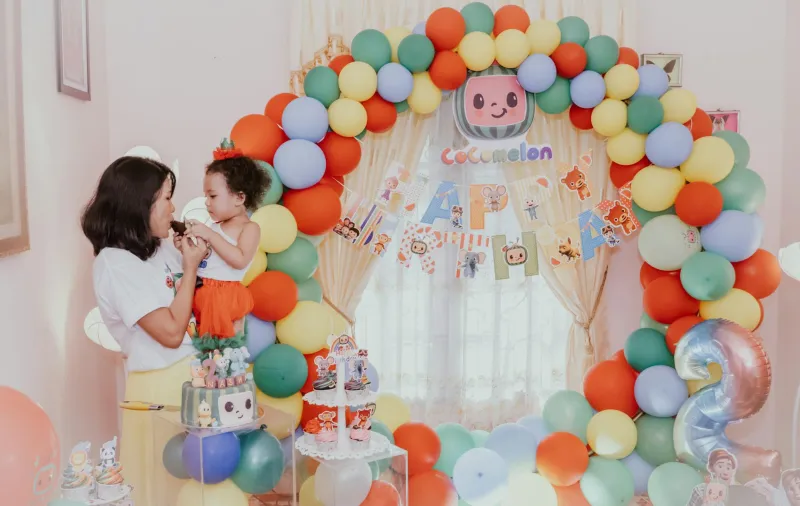
Social media didn't create the elaborate birthday party trend, but it certainly turbocharged it. Pinterest boards overflow with "inspiration" for princess parties that require hiring professional set designers, superhero celebrations that need custom costumes for every guest, and themed parties so elaborate they require months of planning.
"Instagram changed everything," admits Sarah Chen, who runs a party planning business in suburban Dallas. "Parents see these incredible parties online and feel like they have to compete. I've had clients spend $2,000 on a 5-year-old's party because they saw something similar on a mommy blogger's feed."
The pressure isn't just financial — it's temporal. Today's birthday party planning often begins months in advance, with parents researching themes, booking venues, and coordinating elaborate details that would have seemed absurd to previous generations.
When Did We Stop Trusting Ourselves?
Perhaps the most striking change isn't the money — it's the confidence. A generation ago, parents trusted their ability to entertain a group of children for two hours. They knew kids would be thrilled with simple games, sugar, and the chance to run around with friends.
Today's parents increasingly outsource entertainment to professionals. Magicians, balloon artists, face painters, DJ's, and even live animal presentations have become standard rather than special.
"I hired a princess performer for my daughter's 4th birthday," says Lisa Thompson from Minneapolis. "She was great, but I realized later that my daughter spent most of the party playing in the empty cardboard boxes the decorations came in. The $300 entertainment was for the other parents, not the kids."
The Real Cost of Celebration
The financial impact extends beyond individual families. Parents report feeling pressured to reciprocate when their children attend elaborate parties, creating an escalating cycle of spending. Some families now budget for birthday parties the way previous generations budgeted for family vacations.
Working parents, pressed for time, often choose to spend money rather than hours planning and preparing. But the hidden cost may be the loss of family traditions and the simple joy of creating something special together.
Finding the Middle Ground
Some families are pushing back. The "simple party" movement encourages parents to return to basics: homemade cake, backyard games, and focus on the birthday child rather than impressing other parents.
"My son's favorite party was the one where we set up a tent in the backyard and told ghost stories," reflects Martinez. "It cost maybe $40 total, and he still talks about it two years later."
The shift from simple celebrations to elaborate productions reflects broader changes in American parenting culture, consumer expectations, and social media pressure. But it also raises questions about what we're really celebrating — and for whom.
After all, when did making a child feel special on their birthday require a second mortgage?