When America Actually Stopped Working at Noon: The Death of the Real Lunch Hour
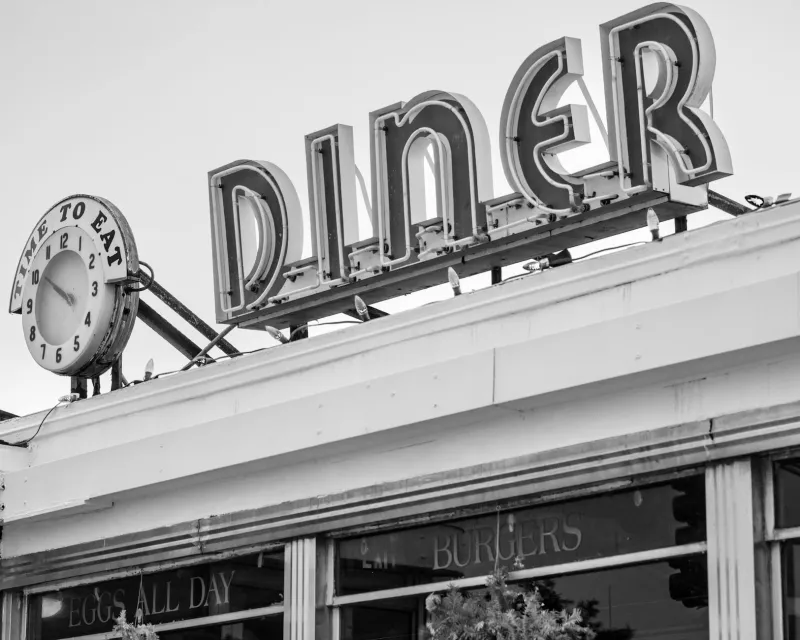
Walk into any American office at 12:30 PM today, and you'll find something that would have baffled workers from the 1980s: people hunched over their keyboards, mechanically chewing sandwiches while responding to emails. The lunch "hour" — once as fundamental to the workday as clocking in — has quietly vanished from American culture.
When Lunch Meant Leaving
In 1975, the lunch break wasn't just a suggestion written in an employee handbook. It was a ritual as predictable as the morning commute. At the stroke of noon, office buildings across America would empty as workers headed to nearby diners, cafeterias, and restaurants. The lunch counter at Woolworth's wasn't just a place to eat — it was where deals were made, gossip was shared, and coworkers became friends.
Back then, a proper lunch break lasted a full hour, and using it was expected, not optional. Companies built their schedules around it. Phone calls went unanswered from 12 to 1 PM because everyone understood: America was at lunch.
The economics supported this culture too. A typical lunch at a local diner cost about $2.50 in 1980 — roughly equivalent to $9 today when adjusted for inflation. But here's the crucial difference: that $2.50 represented a much smaller slice of the average worker's daily wage. A secretary making $12,000 annually could afford to eat out for lunch without thinking twice about the budget impact.
The Slow Erosion of Sacred Time
The death of the lunch hour didn't happen overnight. It was a gradual strangulation that began in the 1990s with corporate "efficiency" movements and accelerated dramatically with the rise of digital communication.
First came the pressure. As companies downsized and workloads increased, taking a full hour away from the office started to feel indulgent. Workers began shortening their breaks voluntarily, worried about appearing less dedicated than their colleagues.
Then came the technology. Email meant that urgent requests could arrive at any moment. Cell phones made workers accessible even during their supposed break time. Suddenly, stepping away from the office for an hour felt risky — what if something important happened while you were gone?
The final blow was the normalization of "working lunches." What had once been an occasional business necessity became standard practice. Meetings were scheduled during lunch hours. Conference calls were booked at noon. The lunch break wasn't eliminated — it was colonized.
The Desk Lunch Revolution
Today's lunch "break" looks radically different. According to recent surveys, 62% of American workers eat lunch at their desks. The average lunch break has shrunk to just 30 minutes, and many workers report feeling guilty for taking even that much time.
The food itself tells the story of this shift. Instead of hot meals served on actual plates, American workers now subsist on a diet of desk-friendly options: pre-packaged salads, protein bars, and sandwiches designed to be eaten with one hand while the other stays on the keyboard.
The rise of food delivery apps has only reinforced this trend. Why leave the office when lunch can come to you? Apps like DoorDash and Uber Eats have made it easier than ever to stay chained to your desk, transforming what was once a necessary break from work into just another form of multitasking.
What We Lost When We Lost Lunch
The disappearance of the traditional lunch break represents more than just a change in eating habits — it's a fundamental shift in how Americans think about work, rest, and community.
Physically, the health implications are significant. Eating while working leads to mindless consumption, poor digestion, and increased stress levels. Studies show that workers who eat at their desks consume more calories but feel less satisfied with their meals.
Socially, we've lost something even more valuable. The lunch hour used to be prime time for building relationships with colleagues, networking with industry contacts, and simply stepping outside the office bubble. Those casual conversations over coffee and pie often led to career opportunities, creative collaborations, and lifelong friendships.
Economically, the death of the lunch hour has devastated an entire ecosystem of small businesses. Countless diners, lunch counters, and family restaurants that once thrived on the midday office crowd have closed their doors. The businesses that survived had to adapt, shifting their focus to dinner service or weekend brunch crowds.
The Always-On Culture
What's most striking about this transformation is how completely we've accepted it. Today's workers don't just skip lunch breaks — they wear their dedication like a badge of honor. Social media is full of humble brags about "working through lunch" and "too busy to eat."
This always-on mentality would have been incomprehensible to previous generations of American workers. The idea that productivity requires constant availability — that stepping away from work for an hour somehow demonstrates lack of commitment — represents a fundamental rewiring of American work culture.
A Different Way of Living
The vanishing lunch hour is really a story about time — who controls it, how we value it, and what we're willing to sacrifice for the illusion of productivity. In losing our lunch breaks, we've gained the ability to respond to emails instantly and attend more meetings. But we've also lost something essential: the understanding that human beings need regular breaks from work to function at their best.
Forty years ago, America understood something we seem to have forgotten: that taking time to eat a proper meal, away from work, with other people, wasn't a luxury or a sign of laziness. It was a basic requirement for a healthy, sustainable way of life. The question isn't whether we can afford to bring back the lunch hour — it's whether we can afford to keep living without it.