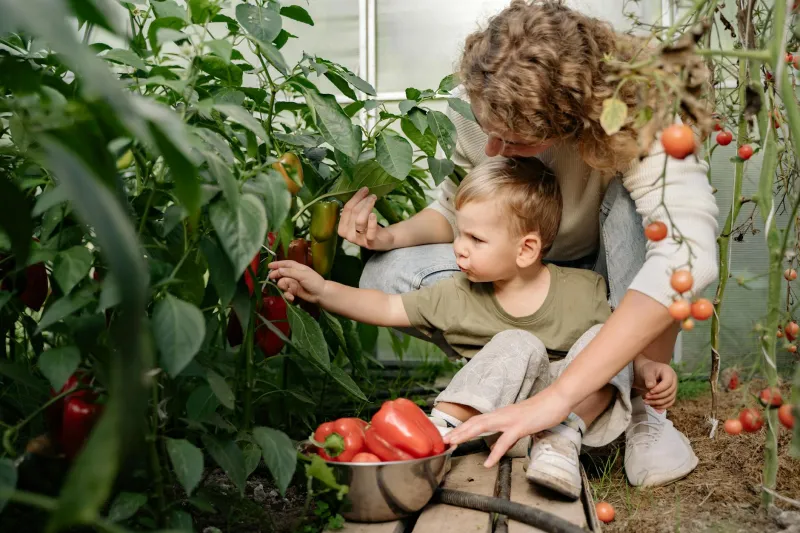
The Greatest Agricultural Movement You've Never Heard Of
In 1943, Eleanor Roosevelt planted a Victory Garden on the White House lawn. It wasn't a publicity stunt — it was part of the largest grassroots food movement in American history. By 1944, nearly 20 million American families were growing their own vegetables, producing roughly 8 million tons of food annually. That's about 40% of all the fresh vegetables consumed in the United States.
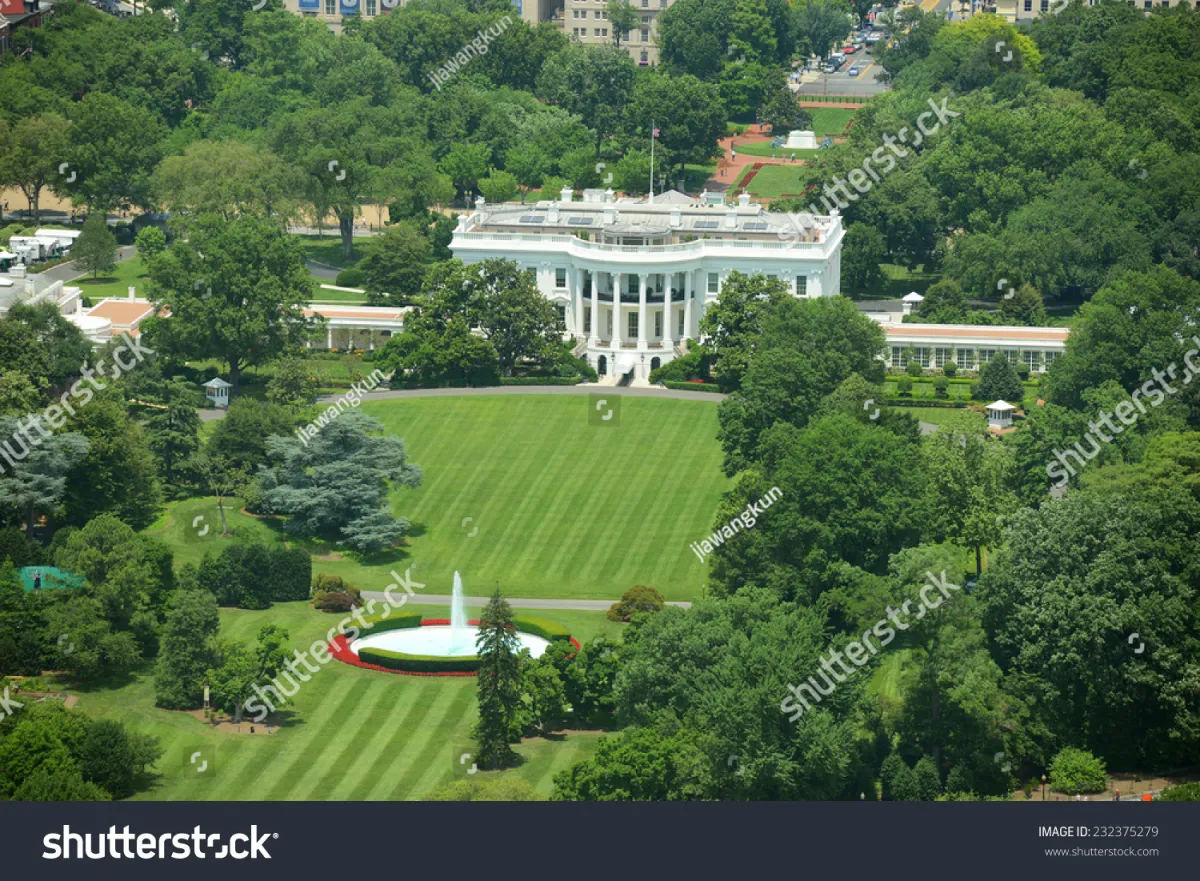 Photo: White House, via www.shutterstock.com
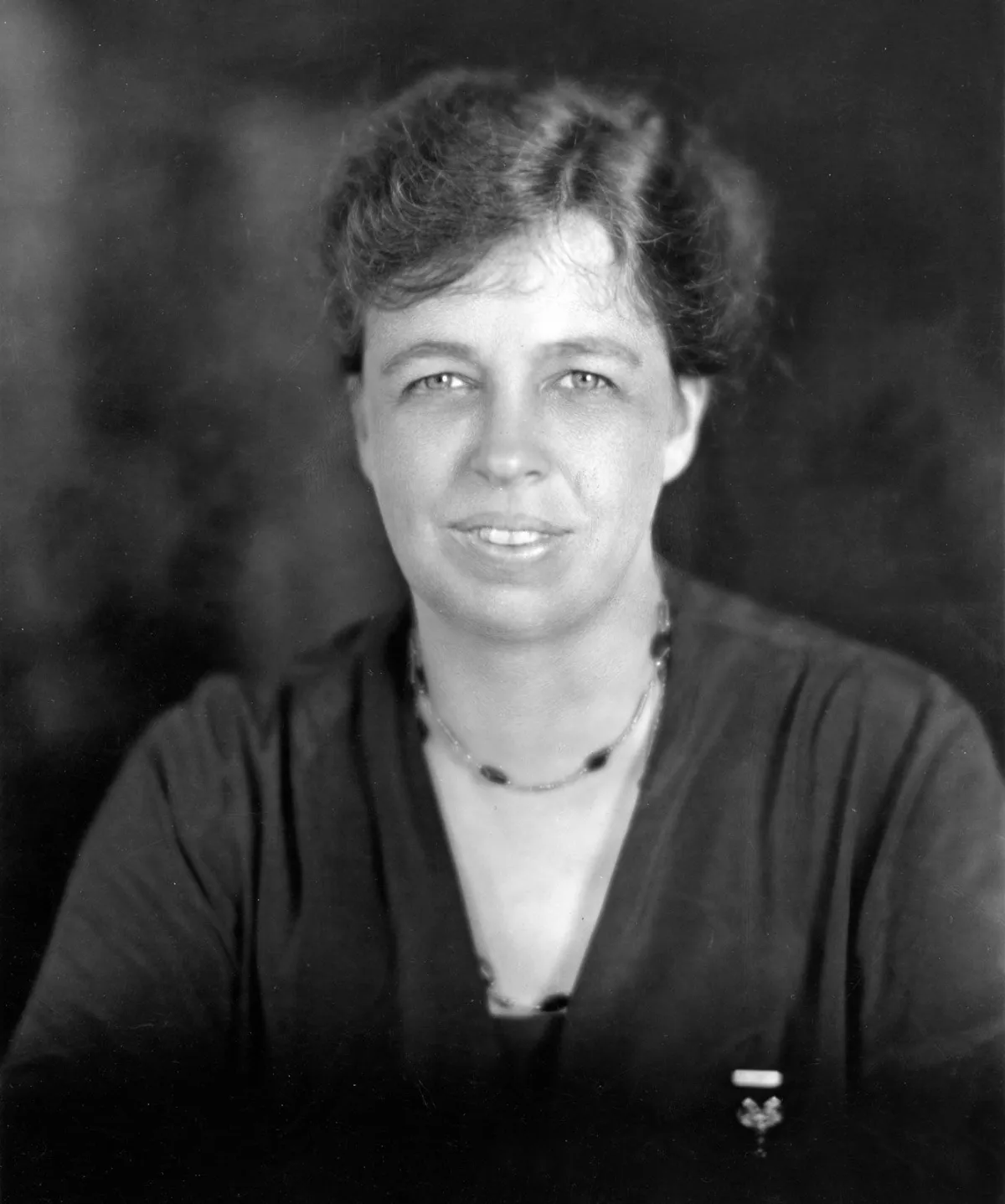 Photo: Eleanor Roosevelt, via cdn.britannica.com
Your great-grandmother probably knew exactly when to plant tomatoes, how to companion plant beans with corn, and which herbs would keep pests away naturally. She could turn a packet of seeds into months of meals, preserve the harvest for winter, and save seeds for next year's crop. This wasn't hobby gardening — it was essential household economics.
Today, the average American can't grow a houseplant, let alone feed their family from their backyard.
When Every Yard Was a Grocery Store
Before World War II, kitchen gardens were already common across America. The war just formalized what many families already knew: growing your own food wasn't just cheaper, it was more reliable than depending entirely on distant farms and long supply chains.
The government didn't have to force Americans to garden. They promoted Victory Gardens because families were already eager to contribute to the war effort while stretching their food budgets. Seed companies couldn't keep up with demand. Hardware stores ran out of basic garden tools. Neighborhoods organized gardening clubs where experienced growers taught newcomers.
A typical Victory Garden measured about 300 square feet — roughly the size of a modern garage — and could feed a family of four fresh vegetables for most of the growing season. Families grew practical crops: tomatoes, beans, carrots, lettuce, squash, and herbs. No decorative flowers, no ornamental shrubs. Every square foot had to earn its keep.
The Suburban Lawn Revolution
Then came the 1950s, and everything changed. Returning GI's moved to new suburban developments where the American Dream came pre-packaged with something unprecedented: the ornamental lawn. Developers like William Levitt built entire communities where every house came with a perfectly manicured front yard of non-edible grass.
 Photo: William Levitt, via allthatsinteresting.com
The lawn became a status symbol. It said you were prosperous enough to dedicate valuable land to something purely decorative. You didn't need to grow food — you could afford to buy everything at the new supermarkets popping up in shopping centers.
By 1960, Americans were spending more on lawn care than many countries spent on their entire agricultural sectors. We'd traded practical yards that fed families for decorative landscapes that required constant maintenance, chemical treatments, and weekly mowing.
The Knowledge That Disappeared
Somewhere between Victory Gardens and suburban lawns, America lost an entire skillset. The generation that could start vegetables from seed, rotate crops to maintain soil health, and preserve harvests for winter storage simply stopped passing that knowledge down.
Modern Americans spend roughly 10% of their income on food, compared to about 25% in the 1940s. But that apparent savings came with hidden costs. We became entirely dependent on industrial agriculture, long-distance shipping, and complex supply chains. When those systems hiccup — like during the early pandemic — empty grocery shelves remind us how vulnerable that dependence makes us.
Meanwhile, the average suburban yard receives more pesticides and fertilizers per square foot than most commercial farms. We're literally poisoning decorative grass while importing vegetables from thousands of miles away.
The Real Cost of Forgetting
Today's food system would baffle a 1940s American family. We import garlic from China, apples from New Zealand, and tomatoes from Mexico, then wonder why nothing tastes like it used to. We've created a generation of children who think vegetables come from supermarkets, not soil.
The Victory Garden generation understood something we've forgotten: food security starts in your own backyard. They knew which plants grew well in their local climate, how to work with seasonal rhythms instead of against them, and how to turn basic ingredients into varied, nutritious meals.
This wasn't primitive living — it was practical resilience. When supply chains broke down during the war, families with gardens kept eating fresh vegetables. When money was tight, the backyard provided free groceries. When children got restless, they could help tend the plants that would become their dinner.
What We Gave Up for Green Grass
The perfect suburban lawn represents something deeper than landscaping choices. It's a symbol of how Americans shifted from production to consumption, from self-reliance to dependence, from practical knowledge to decorative ignorance.
Your grandfather could probably identify dozens of edible plants, knew when frost was coming by watching the sky, and understood soil like a language. Today, most Americans can't tell a weed from a wildflower, rely on weather apps for information their ancestors read in cloud patterns, and think "organic" is just a marketing term.
We didn't just lose the ability to grow food. We lost the deep satisfaction of eating something you planted, tended, and harvested with your own hands. We lost the security of knowing that even if everything else failed, you could still feed your family. We lost the connection between the seasons and the dinner table.
The Victory Garden generation would find today's food anxiety puzzling. Worried about supply chains? Grow your own. Concerned about pesticides? Control what goes on your vegetables. Want to save money? Turn your lawn into lunch.
They'd probably wonder why we chose to be helpless when we could choose to be capable instead.