When America Had a Bedtime
Every Tuesday at 9 PM, America stopped. Sixty million people — half the country — watched the same show at the exact same moment. Not similar shows. Not shows in the same genre. The same show.
This wasn't appointment television. It was appointment America.
From the 1950s through the early 1990s, three networks controlled what Americans watched. ABC, CBS, and NBC didn't just compete for viewers — they created a shared national experience that defined American culture for generations.
The numbers tell an incredible story. The 1983 finale of MAS*H drew 106 million viewers — nearly half the entire U.S. population. The 1980 "Who Shot J.R.?" episode of Dallas captured 83 million Americans. Even regular weekly episodes of shows like All in the Family or The Cosby Show routinely pulled 30-40 million viewers.
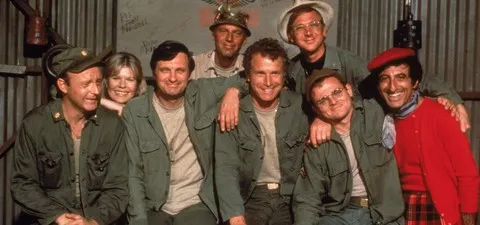 Photo: MASH, via www.justwatch.com
Today's biggest TV events struggle to reach 20 million viewers in a country with 100 million more people.
The Economics of Everyone Watching
This shared viewing created an economic ecosystem that seems almost impossible now. Advertisers could reach enormous audiences with a single 30-second spot. A commercial during a hit show didn't just sell products — it entered the national conversation.
Companies built entire marketing strategies around these moments. McDonald's "Two all-beef patties" jingle became as familiar as the Pledge of Allegiance because everyone heard it during the same commercial breaks. Coca-Cola's "I'd Like to Buy the World a Coke" didn't need to go viral — it was embedded in the collective American experience.
The financial implications were staggering. A single commercial during the Dallas finale cost $450,000 in 1980 dollars — roughly $1.7 million today. But advertisers gladly paid because they knew they were buying something money can't purchase anymore: guaranteed mass attention.
Water Pressure and Collective Behavior
The shared viewing experience created predictable national patterns that infrastructure planners could count on. Water departments tracked "flush rushes" during commercial breaks of popular shows. The halftime of the Super Bowl still causes measurable drops in water pressure across major cities as millions of Americans simultaneously visit the bathroom.
 Photo: Super Bowl, via coloringpagesonly.com
Electricity usage followed television schedules so precisely that power companies adjusted their output based on TV Guide. When a hit show ended, power consumption would spike as millions of Americans turned on lights, opened refrigerators, and started dishwashers in perfect synchronization.
These weren't just interesting statistics — they were the foundation of a predictable consumer economy. Businesses could time deliveries, schedule maintenance, and plan inventory around the rhythm of American television.
The Fracturing of Everything
Today, the average American household has access to over 500 channels plus countless streaming services. Netflix alone offers more content than the three networks combined produced in their first 40 years. Choice exploded, and with it, the shared experience evaporated.
A "massive" television audience today might reach 15 million viewers. The most-watched scripted series of 2023, Wednesday on Netflix, was seen by different people at different times over several months. There's no single moment when America collectively gasped, laughed, or cried together.
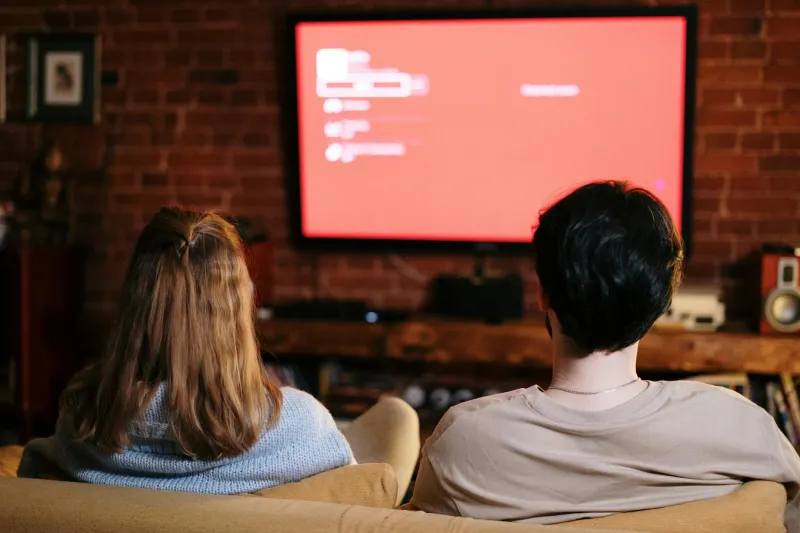
Families now watch different shows on different devices in different rooms. The living room television that once commanded attention sits unused while everyone stares at personal screens. The appointment has become individual, the shared moment extinct.
What We Lost in the Streaming Wars
The economic impact of this fragmentation extends far beyond television. When everyone watched the same shows, water cooler conversations were predictable. Coworkers shared references. Strangers could bond over last night's episode.
This created a form of social capital that businesses could leverage. Products featured on popular shows became instant sensations because everyone saw them simultaneously. Fashion trends spread faster. New technologies gained adoption more quickly when demonstrated to massive, simultaneous audiences.
Advertising was simpler but more powerful. Instead of micro-targeting demographic slices across dozens of platforms, companies could speak to America as a whole. The message was unified, the audience was massive, and the cultural impact was immediate.
The Premium on Shared Attention
The few remaining shared viewing experiences — the Super Bowl, award shows, major news events — now command premium prices precisely because they're so rare. A 30-second Super Bowl commercial costs over $7 million, not just because of the audience size, but because it's one of the last times advertisers can reach America all at once.
Streaming services spend billions trying to recreate appointment television with limited-release strategies and social media campaigns. But they're fighting against their own business model. When viewers can watch anything anytime, nothing feels urgent. When everything is available, nothing is special.
The End of a Cultural Era
The three-network era wasn't perfect — it limited choices, excluded voices, and concentrated power in the hands of a few executives. But it created something we didn't realize was valuable until it was gone: a shared American experience that happened in real time.
We gained infinite choice and lost collective moments. We won convenience and surrendered synchronicity. In a world where everyone can watch everything, nobody watches the same thing.
The family TV that once brought America together now sits in rooms where family members watch different shows on different devices, connected to everything except each other.