The Counter That Built Character
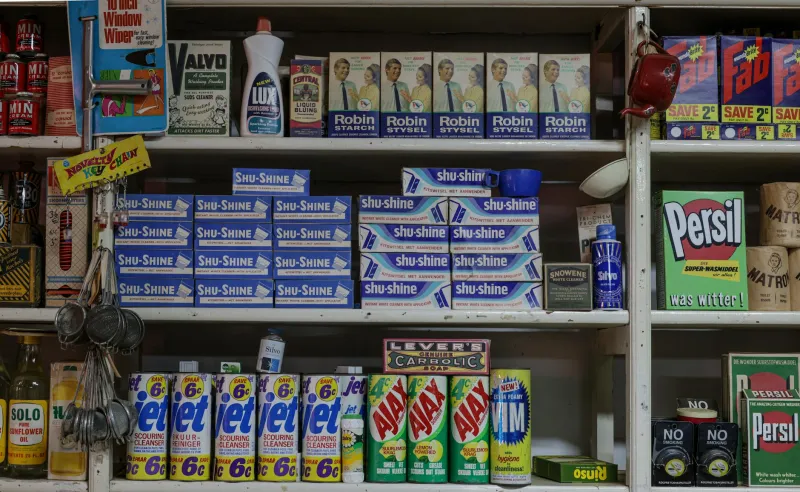
In the back corner of every Woolworth's, Kmart, and local department store stood a counter that most Americans under thirty have never seen: the layaway department. Behind that counter sat rows of shelves holding packages wrapped in brown paper, each tagged with a customer's name and payment schedule. This wasn't just retail infrastructure — it was a school for financial discipline that operated in plain sight for over fifty years.
Layaway taught Americans a simple but profound lesson: you could have what you wanted, but first you had to prove you could afford it. The process was elegantly straightforward: pick out your item, make a small down payment, then return weekly or monthly with cash until you'd paid the full price. Only then could you take your purchase home.
This system encoded an entire financial philosophy into everyday shopping, one that seems almost quaint in an era of instant credit approval and same-day delivery. But the death of layaway represents more than changing retail practices — it marks the moment America abandoned the idea that waiting for things you want might actually be valuable.
The Mathematics of Wanting
In 1965, buying a $50 winter coat through layaway meant committing to a relationship with that coat long before you could wear it. You'd put down $10, then return with $5 or $10 every week until you'd earned the right to ownership. The process took anywhere from six weeks to six months, depending on your budget and discipline.
This created a fascinating psychology of purchase. By the time you'd made your final payment, you'd visited that coat eight or ten times, imagined wearing it through dozens of interactions, and proven to yourself that you wanted it enough to persist through the entire payment cycle. When you finally carried it home, ownership felt earned rather than impulsive.
Contrast this with today's buy-now-pay-later services, where you can walk out of the store immediately with your purchase and worry about payments later. Apps like Klarna and Afterpay have eliminated the waiting period entirely, replacing delayed gratification with delayed consequences.
The old layaway system made the cost of an item visible and visceral. Every weekly payment reminded you exactly what you were sacrificing to afford this purchase. Today's credit systems hide the true cost behind monthly minimums and extended payment terms that can stretch for years.
The Social Contract of the Layaway Counter
Layaway departments operated on trust and community accountability. The clerk knew your name, remembered your payment schedule, and often became personally invested in your success. Miss too many payments, and you'd face not just financial consequences but social awkwardness — these were your neighbors, and they were watching.
This social dimension created powerful incentives for financial responsibility. Defaulting on layaway meant disappointing a real person who'd been rooting for you to complete your purchase. The shame of walking away from a half-paid item was often enough to motivate people through temporary financial difficulties.
Today's credit systems operate through algorithms and automated processes that eliminate human judgment and social pressure entirely. You can default on a credit card without ever speaking to another person, and the consequences arrive as impersonal letters and credit score adjustments rather than disappointed looks from someone who knows your story.
When Retail Taught Financial Literacy
Layaway departments inadvertently served as America's most widespread financial education system. Every transaction taught basic budgeting skills: calculating how much you could afford to pay weekly, planning purchases around income cycles, and understanding the relationship between wanting something and being able to afford it.
Parents used layaway to teach children about money management. A ten-year-old saving for a bicycle through layaway learned lessons about patience, planning, and the value of persistence that no classroom lecture could match. The weekly trips to make payments became family rituals that reinforced values about earning what you wanted.
Modern point-of-sale financing offers the opposite lesson. It teaches consumers that they can have what they want immediately, regardless of their current financial position, and that future payments are tomorrow's problem. The instant gratification of buy-now-pay-later services eliminates the learning opportunity that came with traditional layaway.
The Economics of Patience
From a purely financial perspective, layaway was often a better deal for consumers than today's alternatives. Traditional layaway charged no interest — you paid exactly the retail price, spread over time. The store benefited from guaranteed sales and cash flow, while customers avoided debt entirely.
Compare this to current buy-now-pay-later services, which often charge hidden fees, penalty charges for missed payments, and interest rates that can exceed traditional credit cards. What appears to be "free" financing often costs significantly more than the old layaway system, but the costs are buried in fine print and back-end charges.
The old system also protected consumers from impulse purchases. The cooling-off period built into layaway gave people time to reconsider their decisions. Many items ended up abandoned on layaway shelves because customers realized during the payment process that they didn't really need or want them after all.
The Cultural Shift From Earning to Having
Layaway's decline parallels America's broader transformation from a culture of thrift to a culture of consumption. The system peaked in the 1970s and 1980s, when most Americans still understood delayed gratification as a virtue rather than an inconvenience.
The rise of credit cards in the 1990s made layaway seem unnecessarily restrictive. Why wait months to take home your purchase when you could charge it and enjoy it immediately? This shift seemed logical from a convenience standpoint, but it fundamentally altered the relationship between wanting and having.
The final blow came with e-commerce and instant everything. Amazon Prime's two-day delivery made even a week's wait seem unreasonable. The entire concept of putting something on layaway began to feel as outdated as using a rotary phone.
 Photo: Amazon Prime, via 1000logos.net
What We Lost When We Stopped Waiting
The death of layaway eliminated more than a payment option — it removed one of the last institutional forces encouraging Americans to practice financial patience. The system created natural cooling-off periods that prevented impulse purchases, built anticipation that made ownership more satisfying, and taught practical lessons about budgeting and planning.
Perhaps most importantly, layaway normalized the idea that some things were worth waiting for. In a culture increasingly focused on instant gratification, this lesson seems almost revolutionary.
The New Layaway: Same Debt, Different Package
Today's buy-now-pay-later services market themselves as modern improvements on layaway, but they've inverted the fundamental relationship between payment and ownership. Where layaway required proof of ability to pay before granting possession, BNPL services grant immediate possession based on algorithmic assumptions about future payment.
This shift has profound psychological implications. Taking home an unpaid item creates a different relationship with debt than working toward earning something you can't yet have. The old system taught patience and planning; the new system teaches optimism about future income and comfort with carrying debt.
The Patience We Might Need to Relearn
As Americans struggle with record levels of consumer debt and declining savings rates, the financial discipline embedded in the old layaway system looks less quaint and more prescient. The practice of proving you could afford something before taking it home might seem restrictive, but it also prevented the debt spirals that trap millions of consumers today.
We've gained the convenience of instant ownership and the flexibility of extended payment terms. But we've lost the built-in financial education, the protection from impulse purchases, and the simple satisfaction that comes from earning something through patience and persistence.
The layaway counter is gone, but the lessons it taught about the relationship between wanting and waiting might be worth remembering.