The Saturday Morning Gold Rush
In 1978, Tommy Peterson knocked on every door in his suburban Cleveland neighborhood with a simple pitch: "I'll mow your lawn for five bucks." By the end of that summer, he'd earned enough to buy a used Honda Civic and still had $800 left for his freshman year at Ohio State. His story wasn't unique — it was the American teenage experience.
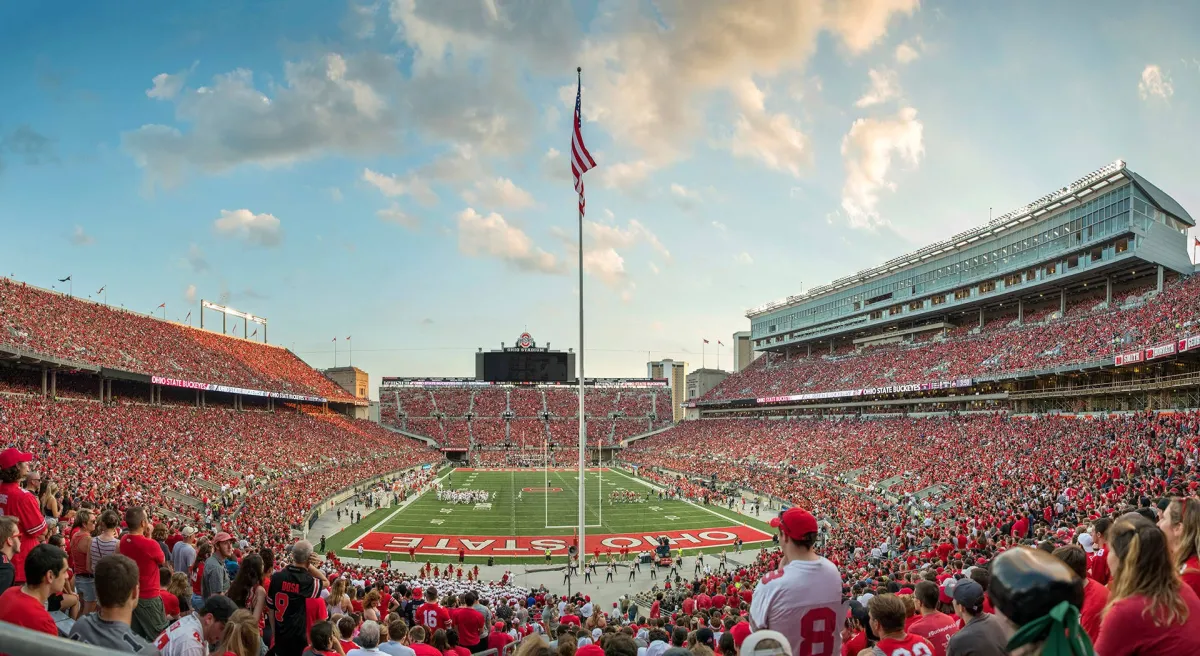 Photo: Ohio State, via wallpapers.com
Across the country, millions of kids were building their own mini-economies. They delivered newspapers before dawn, babysat on Friday nights, shoveled driveways in winter, and yes, mowed endless suburban lawns. The math was simple and it worked: a few hours of weekend hustle could translate into real purchasing power.
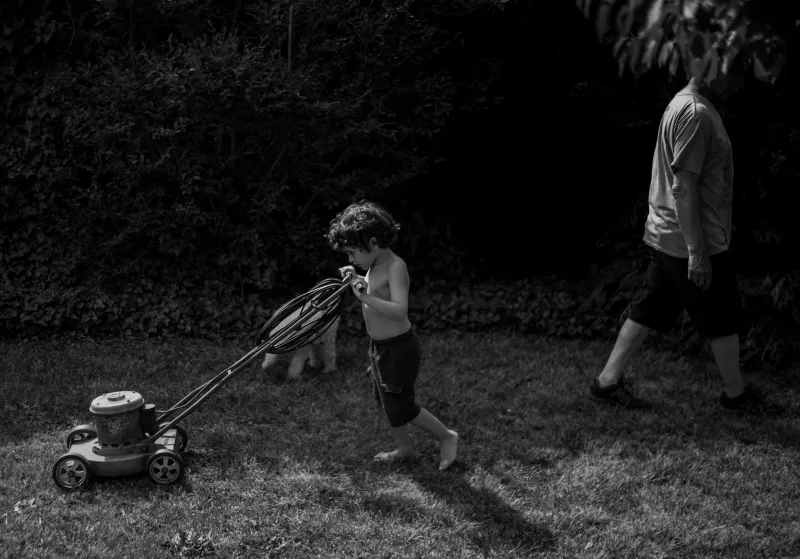
Today, that same economic equation has been completely rewritten. The neighborhood kid with a lawn mower has largely disappeared, replaced by professional landscaping crews and liability concerns that would make 1970s parents laugh out loud.
When Pocket Money Had Real Power
Consider the economics of Tommy's lawn mowing operation. In 1978, his $5 fee represented about 45 minutes of work at the federal minimum wage. That same $5 could buy two McDonald's meals or three gallons of gas. Most importantly, it represented real progress toward bigger goals.
A dedicated teenage lawn care entrepreneur could reasonably earn $60-80 per weekend during mowing season. Over four months, that translated to roughly $1,000 — enough to cover a significant portion of college costs when state university tuition averaged around $1,200 annually.
The babysitting economy worked similarly. High school girls could earn $2-3 per hour watching neighborhood kids, and weekend babysitting gigs were plentiful. A popular babysitter might earn $20-30 per weekend, which represented genuine financial independence for a teenager.
The Liability Revolution That Changed Everything
Somewhere in the 1990s, America's relationship with risk fundamentally shifted. The same neighborhoods that once welcomed teenage entrepreneurs began seeing them as potential lawsuits waiting to happen. What if the kid got hurt using the mower? What if something happened to the children while babysitting? What if the paper route led to an accident?
Insurance companies began advising homeowners to avoid hiring neighborhood kids for anything beyond the most basic tasks. Professional services, with proper licensing and liability coverage, became the safer choice. The teenage hustle economy didn't die overnight — it was slowly strangled by actuarial tables and legal concerns.
When Gig Work Grew Up and Left Kids Behind
The rise of the adult gig economy delivered the final blow to teenage entrepreneurship. Uber drivers, TaskRabbit workers, and professional dog walkers filled the niches that teenagers once occupied. These adult gig workers could offer services that nervous homeowners preferred: background checks, insurance, and the perceived reliability of grown-up professionals.
Meanwhile, the jobs that teenagers could still access — fast food, retail, movie theaters — often paid minimum wage with rigid scheduling that conflicted with school and extracurriculars. The flexibility that made neighborhood jobs so valuable to students had been professionalized out of existence.
The New Math That Doesn't Add Up
Today's teenagers face an impossible equation. A modern lawn mowing service might charge $40-50 per visit, but that money goes to professional crews, not neighborhood kids. When teenagers do find work, their earning power has been devastated by inflation.
A teenager earning $15 per hour today — more than double Tommy's 1978 rate — still can't match his purchasing power. That $15 buys less than half what $5 bought in 1978. Meanwhile, college costs have exploded exponentially faster than teenage earning potential.
The ambitious high schooler who once could fund a significant portion of college through summer jobs now faces a reality where even full-time minimum wage work barely covers textbooks for a single semester.
What We Lost When the Hustle Disappeared
The death of the teenage side hustle economy represents more than just lost earning potential. These neighborhood jobs taught fundamental lessons about money, work, and personal responsibility that can't be replicated in a classroom.
Kids learned to negotiate prices, manage customer relationships, and understand the direct connection between effort and reward. They discovered the satisfaction of earning money through their own initiative rather than receiving allowances or gifts. Most importantly, they gained confidence in their ability to solve problems and create value.
The paper route taught punctuality and responsibility. Babysitting developed maturity and caregiving skills. Lawn mowing built work ethic and customer service abilities. These weren't just jobs — they were practical education in how the world actually worked.
The Helicopter Economy
Modern parents, faced with the collapse of the teenage job market, have responded by increasing allowances and financial support. But money without work teaches different lessons than money earned through personal effort. The result is a generation that may be financially supported but lacks the practical experience of creating their own economic opportunities.
Today's teenagers are more likely to have impressive internships at prestigious companies than to have ever negotiated payment for a service they provided. They may understand complex economic theories but have never experienced the simple satisfaction of turning their time and effort into cash in their pocket.
The Future of Young Entrepreneurship
Some teenagers have adapted by moving their hustle online — creating social media content, selling crafts on Etsy, or offering tutoring services. But these opportunities require different skills and resources than the neighborhood jobs of previous generations. They often depend on parental support for equipment, transportation, and initial investment.
The democratizing aspect of the old teenage economy — that any kid with initiative could start earning money immediately — has largely disappeared. Today's young entrepreneurs need startup capital, technical skills, and often parental involvement to succeed.
The neighborhood kid with a lawn mower represented something uniquely American: the idea that anyone willing to work could start building their own economic future immediately. When that pathway disappeared, we lost more than just a way for teenagers to earn college money. We lost a fundamental piece of how America taught its young people that their efforts could directly translate into opportunity.