The Starter Home That Started Nothing: How the First Rung of the Property Ladder Disappeared
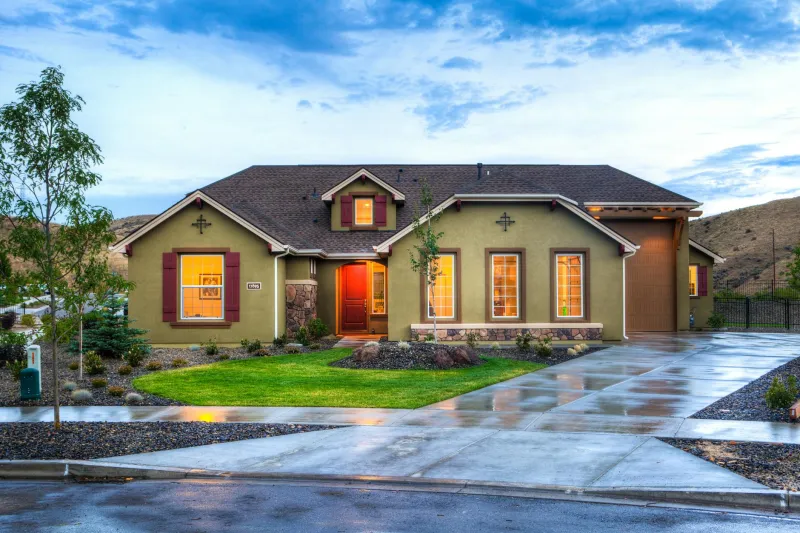
The Starter Home That Started Nothing: How the First Rung of the Property Ladder Disappeared
In 1973, Mike and Susan Rodriguez bought their first home in Sacramento for $28,500. He worked as a high school shop teacher, she was a bank teller. The two-bedroom, one-bath house came with a single-car garage, linoleum floors, and a backyard barely big enough for a barbecue. It wasn't much to look at, but it was theirs—and more importantly, it was the beginning of something bigger.
Five years later, they sold that modest ranch for $42,000 and used the equity to buy a three-bedroom colonial across town. By 1985, they'd moved again, this time to a four-bedroom house with a two-car garage and a proper dining room. The starter home had done exactly what it was supposed to do: start something.
Today, that same Sacramento house—still with its original linoleum and single bathroom—sells for $425,000. The teacher and bank teller of 2024? They're not buying anything.
When Small Houses Had Big Dreams
The concept of the starter home wasn't just real estate marketing—it was the foundation of American wealth building. Throughout the 1960s and 1970s, builders constructed millions of small, simple homes specifically designed for young families with modest incomes. These weren't luxury properties or even particularly nice ones. They were 900-square-foot ranch houses with basic finishes, minimal landscaping, and floor plans that prioritized function over form.
But they served a crucial economic purpose. A couple earning median wages could realistically afford the mortgage payments, and after a few years of building equity, they could sell and move up to something larger. The starter home was literally the first rung on a property ladder that most Americans could climb.
In 1970, the median starter home cost about 2.2 times the median household income. A family earning $9,870 per year could reasonably afford a $22,000 house. The math worked, and more importantly, it worked for regular people with regular jobs.
The Vanishing Act
Somewhere between then and now, the starter home disappeared. Not physically—many of those 1970s ranches still exist, albeit with granite countertops and subway tile backsplashes courtesy of HGTV-inspired renovations. What vanished was their function as an entry point into homeownership.
Today's so-called starter homes cost 4.5 times the median household income, and that's if you can find one. In many American cities, anything under $300,000 gets snapped up by investors before first-time buyers even hear about it. The houses that do reach the retail market often require cash offers and waived inspections—luxuries that young couples saving for a down payment simply can't afford.
The result is a generation of would-be homeowners stuck in rental limbo, watching their monthly housing costs rise while their ability to build equity evaporates.
Why the Ladder Lost Its Bottom Rung
Several forces conspired to eliminate the starter home, and most of them were invisible to the people they affected most.
Zoning restrictions played a huge role. Many communities that welcomed small, affordable housing in the 1960s gradually changed their rules to require larger lot sizes, bigger setbacks, and more parking. What once allowed a builder to construct six modest homes on an acre now permits only two or three—instantly doubling or tripling the land cost per unit.
Construction costs skyrocketed as building codes became more complex and materials more expensive. The simple ranch house that cost $15,000 to build in 1970 would cost $85,000 to construct today, even before land, permits, and profit margins enter the equation.
Perhaps most significantly, investor demand fundamentally changed the market dynamics. When hedge funds and private equity firms started buying single-family homes by the thousands, they didn't just compete with individual buyers—they eliminated entire price categories. Properties that once served as starter homes became rental inventory, permanently removed from the homeownership pipeline.
The New Math of Homeownership
Consider what happened to the traditional path. In 1975, a young couple might spend two years saving for a 10% down payment while living in a $200-per-month apartment. They'd buy their starter home, live there for five to seven years while building equity, then sell and move up.
Today's equivalent couple faces a completely different equation. They're paying $1,800 per month for that same apartment, making it nearly impossible to save for a down payment. When they finally do accumulate enough money, they discover that starter homes no longer exist at starter prices. The modest ranch that should cost $180,000 based on historical ratios actually costs $350,000—and comes with a bidding war.
What We Lost When We Lost the Starter Home
The disappearance of affordable entry-level housing represents more than just a real estate trend—it's the elimination of a crucial wealth-building mechanism that helped create America's middle class.
For generations, homeownership wasn't just about having a place to live. It was about building equity, establishing credit, and creating the financial foundation for everything else: starting a business, funding children's education, or simply having something to pass down to the next generation.
When starter homes disappeared, so did the most accessible path to that foundation. The result is a growing divide between those who can afford to buy (often with family help) and those who remain permanently locked out of homeownership, regardless of their income or stability.
The teacher and bank teller who built wealth through a series of modest home purchases? Their modern equivalents are still renting, still saving, still hoping that somehow the math will work out. But in a world where starter homes cost more than dream homes once did, that hope feels increasingly like wishful thinking.
The first rung of the property ladder didn't just get higher—it disappeared entirely, leaving an entire generation wondering how they're supposed to climb up when there's nowhere to start.