Saturday Morning Cartoons Used to Be Free — Now Parents Pay $120 Monthly for Kids' Shows
Every Saturday morning across America, millions of children would wake up early, pour themselves a bowl of cereal, and settle in front of the television for hours of cartoons — completely free. From "Schoolhouse Rock" to "Bugs Bunny," this weekly ritual required nothing more than a TV set and an antenna. Today, that same amount of children's entertainment costs American families an average of $120 monthly across multiple streaming platforms.
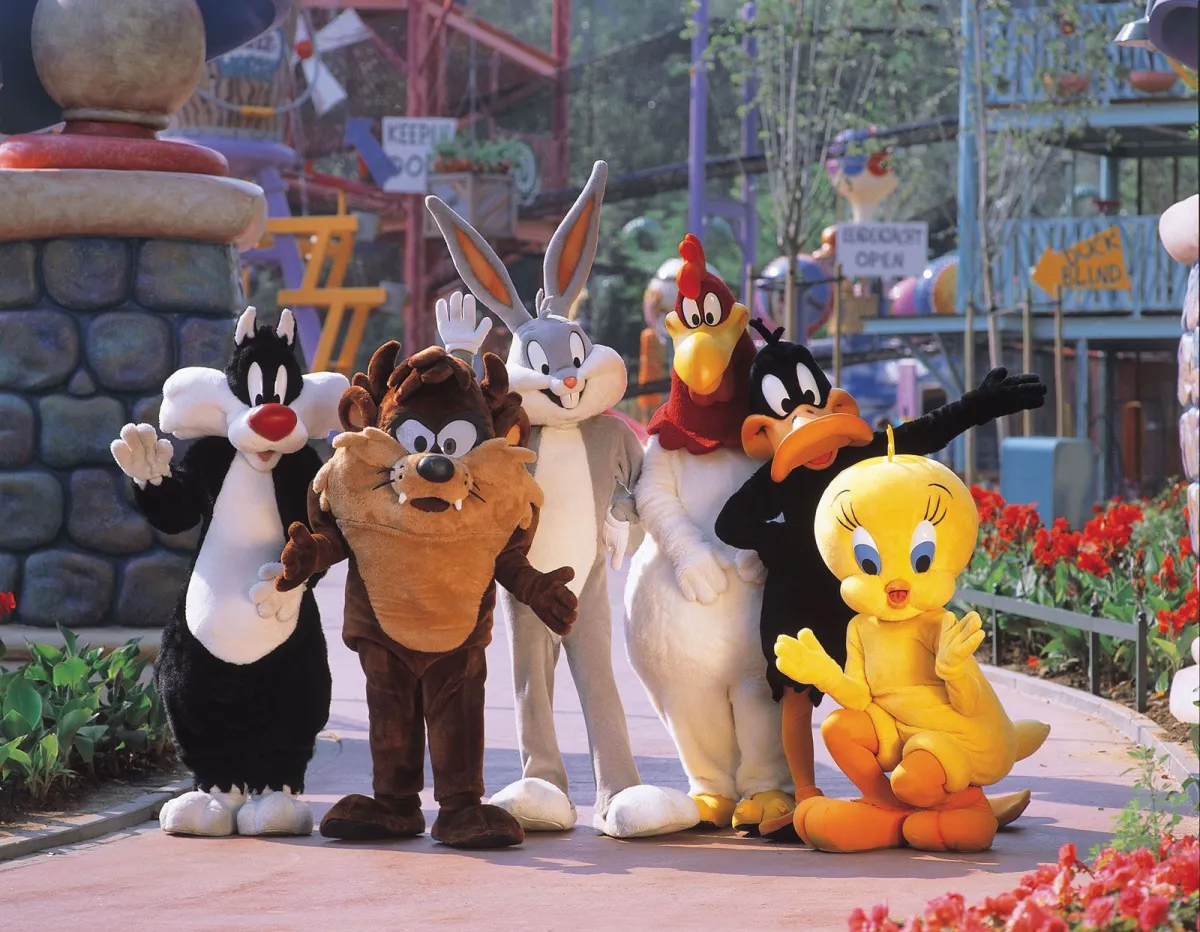 Photo: Bugs Bunny, via cdn.britannica.com
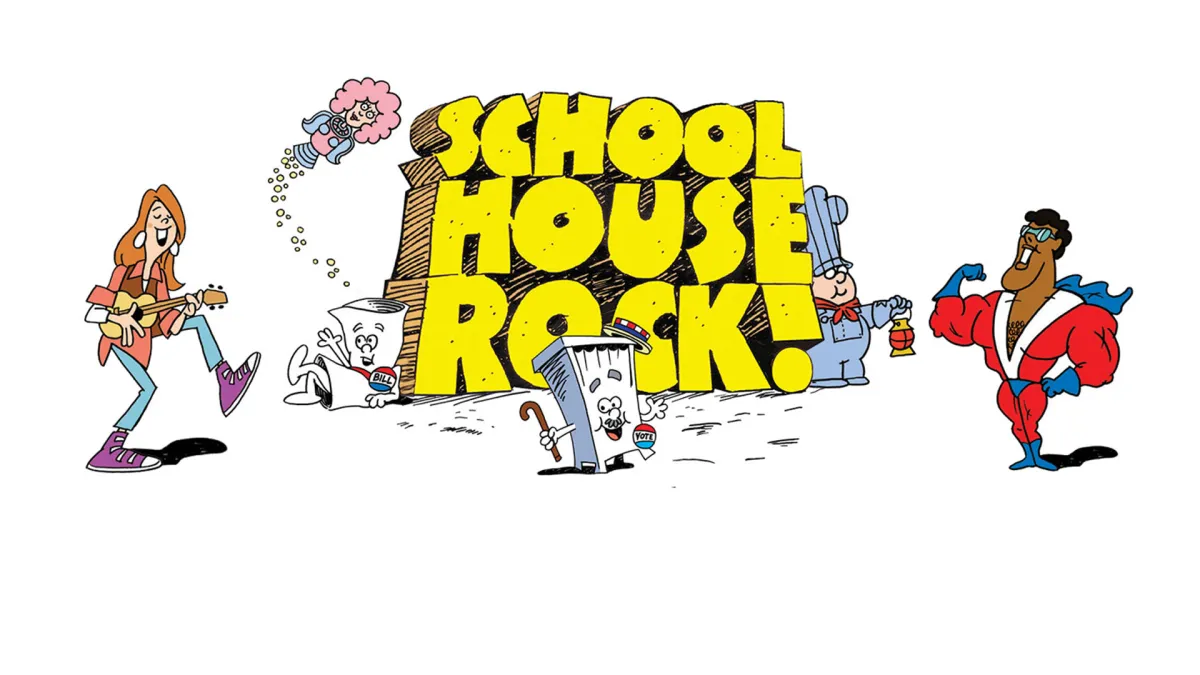 Photo: Schoolhouse Rock, via simkl.net
The transformation of children's entertainment from a free public service to a premium subscription product represents one of the most dramatic shifts in how childhood itself has been quietly monetized.
The Golden Age of Free Saturday Mornings
For most of television's history, Saturday morning cartoons were a public service provided by broadcast networks. The Federal Communications Commission required stations to air educational programming for children, and networks filled those hours with animated shows that entertained while teaching basic lessons about math, science, and social skills.
This wasn't charity — it was smart business. Networks used children's programming to attract young viewers who would grow into lifelong customers. Advertisers paid to reach families during these hours, subsidizing the content completely. Parents got free babysitting, kids got entertainment, and everyone gathered around shared cultural touchstones.
The system created common experiences that transcended economic and social boundaries. Rich kids and poor kids watched the same shows at the same time. "Conjunction Junction" and "I'm Just a Bill" taught civics lessons to entire generations. These shared references became part of American cultural literacy.
 Photo: Conjunction Junction, via static.wikia.nocookie.net
When Entertainment Was Appointment Television
Saturday morning cartoons operated on scarcity and schedule. Shows aired at specific times, creating appointment viewing that families planned around. Missing an episode meant waiting for reruns or simply accepting that you'd missed it — a concept that seems almost primitive to today's on-demand generation.
This scarcity created value and anticipation. Children looked forward to Saturday mornings all week. The limited schedule meant kids watched whatever was on, exposing them to diverse content they might not have chosen individually. Educational segments like "Schoolhouse Rock" became beloved precisely because they were mixed in with pure entertainment.
The communal aspect was crucial. Monday morning playground conversations revolved around what everyone had watched Saturday morning. These shared experiences helped build social connections and cultural cohesion among American children.
The Streaming Revolution's Hidden Costs
Today's entertainment landscape offers unprecedented choice and convenience, but at a steep price. The average American household now subscribes to 3.4 streaming services, spending roughly $120 monthly on video entertainment. For families with children, that number often climbs higher as parents add kid-focused platforms to their subscription stack.
Netflix ($15.49), Disney+ ($7.99), HBO Max ($14.99), Amazon Prime Video ($8.99), Apple TV+ ($4.99), Paramount+ ($5.99), Peacock ($4.99), and specialized children's services like PBS Kids ($4.99) quickly add up. Many families find themselves paying for multiple services just to access the variety of children's content that was once freely available.
The math is staggering: what cost nothing 30 years ago now represents a significant monthly expense for American families. Over a year, that $120 monthly streaming budget equals $1,440 — enough to fund a family vacation or contribute meaningfully to a college savings account.
The Fragmentation of Childhood
Beyond the financial cost, the streaming model has fundamentally changed how children consume entertainment. Instead of shared Saturday morning experiences, kids now watch different shows on different platforms at different times. The common cultural touchstones that once united generations have largely disappeared.
This fragmentation has social implications. When children's entertainment was centralized and free, it created shared experiences across economic lines. Now, access depends on which streaming services families can afford, potentially creating new forms of cultural inequality among children.
The educational component has also suffered. While streaming platforms offer some educational content, it's mixed in with vast libraries of pure entertainment. The deliberate pairing of education and entertainment that characterized Saturday morning television has been largely abandoned.
The Psychology of Subscription Fatigue
The subscription model creates ongoing financial stress that the old broadcast system avoided. Parents constantly evaluate which services to keep, cancel, or add based on what their children are currently watching. The decision fatigue of managing multiple entertainment subscriptions adds a layer of complexity to family budgeting that simply didn't exist before.
Moreover, the abundance of choice can actually reduce satisfaction. When everything is available instantly, nothing feels special. The anticipation and excitement that made Saturday morning cartoons memorable has been replaced by endless scrolling through content libraries.
What the Numbers Really Mean
That $120 monthly streaming budget represents more than entertainment costs — it reflects a broader shift in how American families allocate their resources. Money that once stayed in family budgets now flows to media corporations, reducing funds available for other priorities like education, savings, or experiences.
For perspective, the average family's annual streaming costs could fund:
- A week-long family vacation
- Six months of music lessons for a child
- A year's worth of books and educational materials
- Meaningful contributions to college savings
The opportunity cost of subscription entertainment extends beyond immediate expenses to long-term family financial health.
The End of Free Childhood Entertainment
The transformation from free Saturday morning cartoons to premium streaming represents more than technological progress — it reflects the monetization of childhood itself. What was once considered a public good has become a private commodity, shifting costs from advertisers and networks to individual families.
This change has made quality children's entertainment increasingly dependent on family income rather than being universally accessible. It's created new forms of inequality and eliminated shared cultural experiences that once helped bind American society together.
While streaming offers undeniable benefits — more content, better quality, on-demand access — it's worth considering what we've lost along the way. Sometimes the old way of doing things, with all its limitations, created value that we only recognize in retrospect.
For millions of American families juggling multiple streaming subscriptions just to keep their children entertained, the simple economics of Saturday morning cartoons probably looks pretty appealing right about now.