Before Dawn and Before WiFi: How America's Newspaper Routes Built Character One Block at a Time
The 5 AM Economy
Long before teenagers scrolled through TikTok for income inspiration, American kids learned about money the hard way: one newspaper at a time, seven days a week, rain or shine. The paper route wasn't just a job — it was America's unofficial business school, where 12-year-olds learned lessons about cash flow, customer relationships, and profit margins that many MBA students never master.
In 1970, nearly 1.5 million American children delivered newspapers, earning an average of $15-25 per week when minimum wage was $1.60 per hour. That wasn't pocket change — for many families, a child's paper route income helped cover school clothes, sports fees, or even contributed to the family grocery budget.
The Economics of Trust
The paper route operated on a unique economic model that would seem impossible today. Newspaper companies essentially franchised territory to children, who bought papers wholesale and sold them retail. Kids learned to manage inventory, handle collections, and deal with the seasonal fluctuations of customer payments.
Most customers paid monthly, often leaving cash or checks in mailboxes or handing money directly to their paperboy. This created a micro-economy built entirely on trust — kids carried hundreds of dollars in collections, knowing every customer by name and payment habits. Late payers weren't reported to credit agencies; they got a polite knock on the door and a personal conversation.
When Customer Service Had a Face
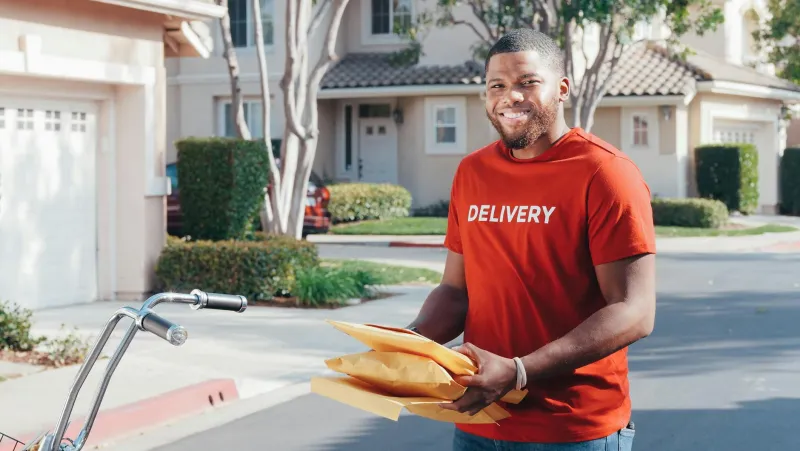
Today's customer service happens through chatbots and offshore call centers, but paperboys provided something different: accountability with a human face. If Mrs. Johnson's paper landed in her bushes instead of on her porch, she knew exactly who to call. If the Millers were traveling for two weeks, their paperboy would hold their deliveries and restart them upon return — no complicated vacation holds or automated systems required.
This personal touch created customer loyalty that modern businesses spend millions trying to replicate. Families often kept the same paperboy for years, watching them grow up, celebrating their achievements, and sometimes even writing college recommendation letters.
The Route to Financial Literacy
Paper routes taught financial lessons that no classroom could match. Kids learned to separate business expenses from profit, understanding that the bicycle maintenance, rubber bands, and plastic bags came out of their earnings. They experienced seasonal cash flow — Christmas tips could double a month's income, while summer vacations meant collecting from empty houses.
Many former paperboys credit their routes with teaching them budgeting skills that lasted a lifetime. They learned to save for larger purchases, understand the relationship between effort and reward, and manage money without parental oversight. This wasn't theoretical financial literacy — it was practical economics with immediate consequences.
The Death of Dawn
By the 1990s, the paper route was becoming extinct. Liability concerns made newspaper companies nervous about employing children. Adult carriers with cars could cover larger territories more efficiently. And perhaps most importantly, fewer families wanted the daily newspaper delivered to their door.
Today, most Americans get their news from smartphones before their feet hit the floor. Push notifications deliver breaking news instantly, personalized algorithms curate content, and social media provides the community connection that local newspapers once offered. The morning routine that once centered around unfolding a physical newspaper has been replaced by scrolling through apps.
What We Lost When the Paperboy Disappeared
The demise of paper routes represents more than just technological progress — it marked the end of an economic training ground that produced generations of entrepreneurs. Many successful business leaders trace their first lessons in customer service, financial responsibility, and work ethic to those early morning bike rides.
Modern teenagers can earn money through apps and gig work, but these opportunities rarely provide the comprehensive business education that paper routes offered. DoorDash drivers don't build long-term customer relationships. YouTube creators don't learn to handle physical inventory or manage collections.
The Morning That Shaped America
The paper route era coincided with America's post-war economic boom, when a strong work ethic and customer service could build a middle-class life. These values, learned on bicycle seats at dawn, helped shape a generation that would go on to build the modern American economy.
Today's instant access to information has obvious advantages — we're more informed, more connected, and more efficient than ever before. But something was lost when we traded the personal touch of the paperboy for the algorithmic precision of the smartphone. We gained speed and convenience, but lost a training ground that taught American kids how to earn their place in the world, one delivered newspaper at a time.