The 6 AM University That Taught Real Business
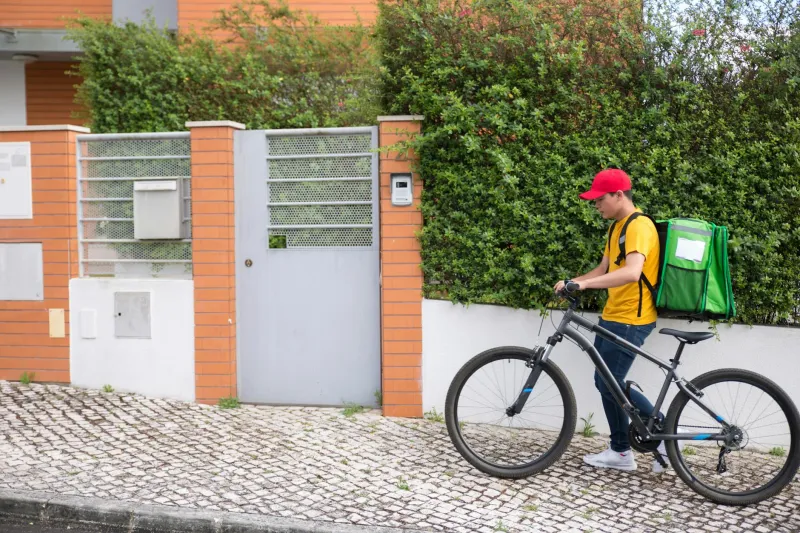
Every morning at dawn, across suburban America, an army of 12-year-olds was getting a business education that would make Harvard MBAs jealous. They were learning customer service, cash flow management, route optimization, and debt collection — all while pedaling bicycles through neighborhoods before most adults had their first cup of coffee.
The paperboy wasn't just delivering news. He was running a franchise operation that taught more practical business skills than most college programs ever will.
When Kids Actually Managed Money
Consider what a typical paper route required in 1970: A kid would sign up for a route of 40-50 houses, meaning he was immediately responsible for generating $200-300 in monthly revenue. He had to track which customers paid weekly, which paid monthly, and which ones always seemed to be "not home" when collection time came around.
Every customer interaction was a lesson in business psychology. Mrs. Johnson always had exact change ready on Thursday mornings. Mr. Peterson would make you wait while he counted out coins from a coffee can. The Millers would tip an extra dollar at Christmas if you'd been reliable all year.
These kids learned that customer relationships directly impacted their bottom line. Good service meant better tips and fewer complaints. Poor service meant lost customers and a smaller paycheck.
The Accounting Department Was Your Kitchen Table
After collecting payments, paperboys had to reconcile their books. How much did they owe the newspaper company for papers delivered? How much had they collected? Which customers still owed money? What were their actual profits after expenses?
This wasn't theoretical accounting taught from textbooks. This was real money — their money — and mistakes meant eating into their bicycle fund or missing out on that new baseball glove.
Many kids developed surprisingly sophisticated tracking systems. They'd mark paid customers with checkmarks, highlight delinquent accounts, and calculate their profit margins by route efficiency. They were learning cash flow management before they knew what cash flow was.
Customer Service Training That Actually Mattered
Dealing with difficult customers was part of the job, and there was no manager to escalate problems to. When Mr. Henderson complained that his paper was always wet, the paperboy had to figure out how to solve that problem himself. When the Garcias went on vacation for two weeks, he had to remember to stop delivery and restart it when they returned.
These interactions taught kids how to handle complaints professionally, how to maintain relationships even when customers were unreasonable, and how their reputation affected their business success. Word traveled fast in neighborhoods — mess up one customer's delivery, and three other families would hear about it.
The Economics of Hustle
Paper routes also taught the relationship between effort and reward in ways that modern part-time jobs rarely do. Work harder, earn more. Expand your route, increase your income. Provide better service, get better tips.
Many paperboys figured out ways to optimize their operations. They'd map the most efficient delivery routes, invest in better bikes or larger bags, and develop systems for faster collection. These weren't abstract business concepts — they were practical solutions that directly impacted their weekly earnings.
Some ambitious kids managed multiple routes or recruited friends to help during vacations, essentially learning the basics of delegation and profit-sharing before they could spell "entrepreneurship."
What Modern Kids Are Missing
Today's children have virtually no equivalent to the paper route experience. Child labor laws, safety concerns, and the decline of newspaper delivery have eliminated this pathway to early business education.
Instead, financial literacy is either ignored entirely or taught through abstract classroom exercises that have no real-world consequences. Kids learn about budgeting with fake money, practice making change with plastic coins, and take tests about interest rates they'll never actually calculate.
The result is a generation of adults who enter the workforce with degrees but without practical experience in basic business operations. They've never managed their own customer relationships, never dealt with cash flow problems, never learned that their effort directly correlates to their income.
The $50,000 Education That Used to Be Free
Business schools now charge enormous tuition to teach concepts that paperboys learned naturally: customer retention, revenue optimization, operational efficiency, and financial accountability. Corporate America spends billions on workshops teaching employees skills that 12-year-olds once developed delivering newspapers.
 Photo: Corporate America, via images.fastcompany.net
The paper route was essentially a real-world internship that lasted for years, with immediate feedback and genuine consequences. Make mistakes, lose money. Provide excellent service, build a profitable business.
Modern attempts to recreate this experience — youth entrepreneurship programs, business camps, financial literacy curricula — feel artificial by comparison. They lack the authentic pressure and genuine rewards that made paper routes such effective teachers.
The Character Building That Came With the Territory
Beyond the business skills, paper routes taught reliability, responsibility, and work ethic in ways that modern activities rarely match. Missing a delivery meant disappointed customers and lost income. Sleeping in meant starting the day behind schedule. Poor planning meant getting caught in the rain without proper gear.
These lessons had immediate, tangible consequences that shaped character development. Kids learned that other people depended on them, that their actions had direct impacts on others, and that success required consistency and effort.
Why This Matters Now More Than Ever
As America grapples with declining entrepreneurship rates and increasing economic inequality, the loss of early business education experiences like paper routes represents more than just nostalgia. It represents the elimination of a pathway that once taught practical financial skills to kids regardless of their family's economic background.
The paperboy economy was remarkably democratic — any kid willing to wake up early and work consistently could participate. It didn't require special connections, expensive equipment, or family financial support.
Today's economy offers fewer and fewer opportunities for young people to learn business fundamentals through actual practice. We've replaced real experience with theoretical education, authentic responsibility with simulated exercises, and immediate feedback with delayed grades.
The result is a generation of adults who understand business concepts intellectually but have never experienced the daily realities of managing customers, handling money, and building relationships that drive real economic success. We're paying a premium to learn what American kids once absorbed naturally before they were old enough to drive.