The Era When Americans Got Dressed to Board a Plane — and What We Traded It Away For
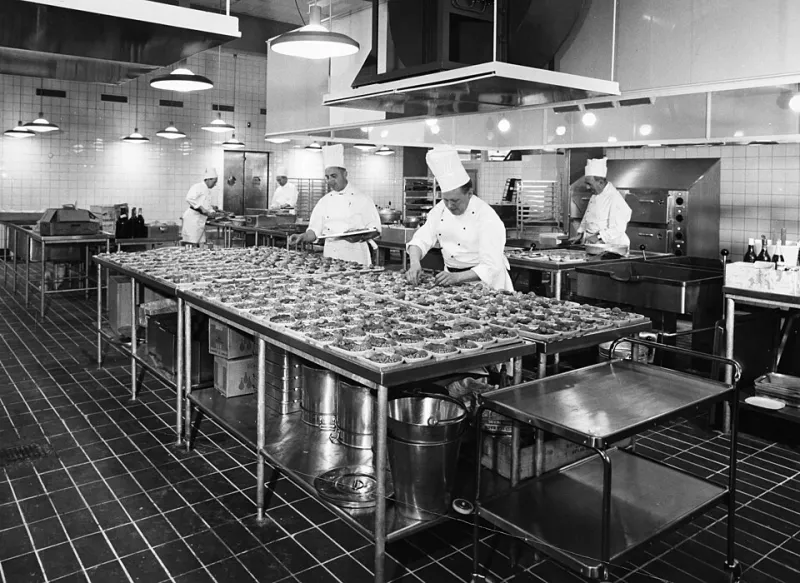
Photo: SAS Scandinavian Airlines, Public domain, via Wikimedia Commons
When the Airport Was Worth Dressing For
Look at photographs from American airports in the 1950s and the first thing you'll notice isn't the planes. It's the passengers.
The men are in suits and hats. The women are in dresses, heels, gloves. Children are dressed as if they're headed to church. Everyone looks like they understood that what they were about to do was remarkable — that they were going to board a metal tube, climb to 30,000 feet, and travel hundreds of miles through the sky in a matter of hours. Because in that era, that understanding was still fresh. Commercial aviation was barely a decade old as a mass-market product, and the people boarding those early jets hadn't yet had time to take it for granted.
Flight was aspirational. It was expensive, it was exclusive, and it carried a social weight that made people want to show up for it properly.
What the Ticket Actually Bought You
The experience inside those early commercial aircraft was dramatically different from what passengers encounter today — and not just in the obvious ways.
Seats were wider and spaced farther apart. Pan Am and TWA competed on the quality of their meal service the way restaurants compete on food. China plates. Real silverware. Multi-course meals with actual choices. Flight attendants — then called stewardesses, in a job that was glamorized to the point of cultural mythology — were trained in hospitality with a thoroughness that rivaled luxury hotels.
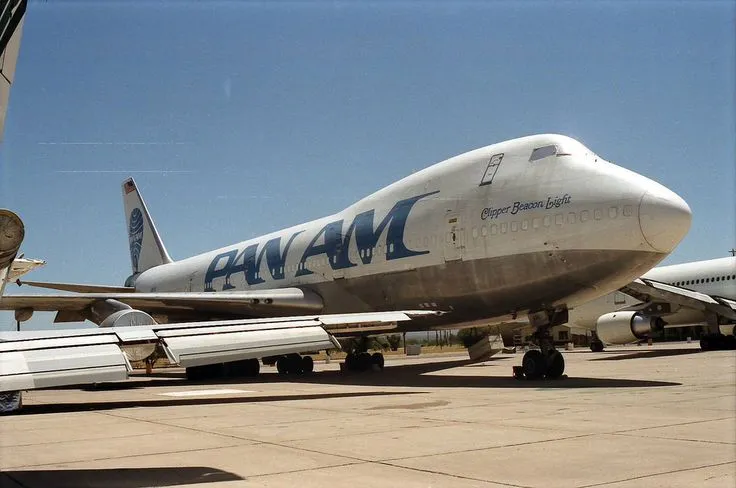 Photo: Pan Am, via i.pinimg.com
The planes themselves were quieter than the piston-engine aircraft that preceded them, and the jet age brought a smoothness to air travel that felt genuinely futuristic. Passengers on early Boeing 707 and Douglas DC-8 flights described the experience in terms that modern travelers would find almost unrecognizable — spacious, calm, sophisticated.
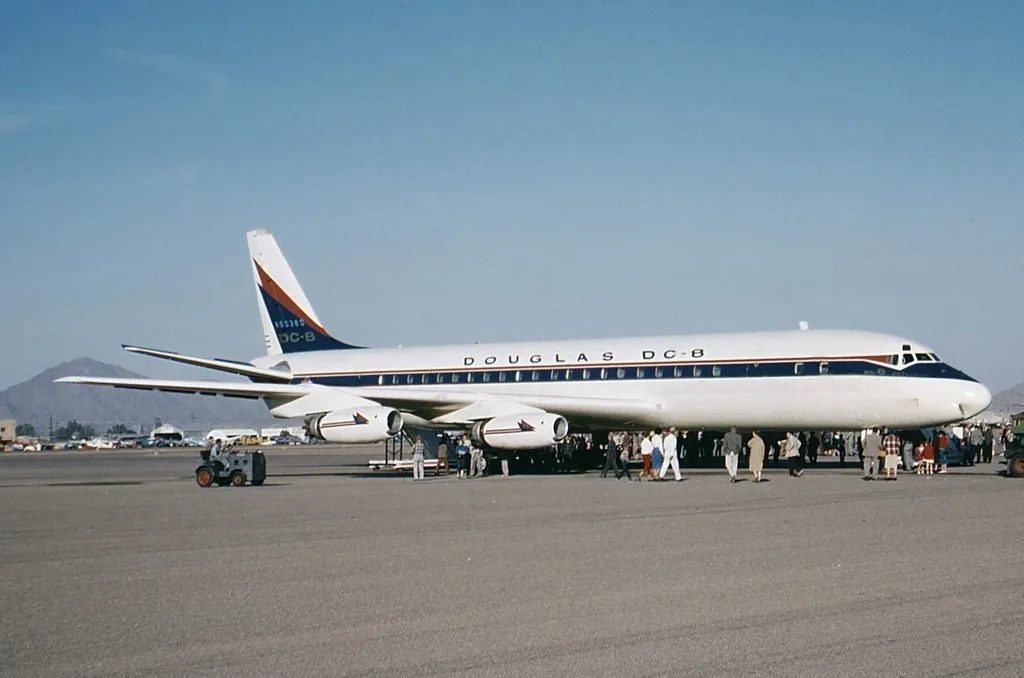 Photo: Douglas DC-8, via upload.wikimedia.org
And the routes were fewer, which meant the experience was concentrated. You didn't fly casually. You flew for a reason, and you made an event of it.
The Price of Exclusivity
Here's the part that explains everything else: those early flights were extraordinarily expensive.
A round-trip ticket from New York to Los Angeles in 1955 cost roughly $208 — which sounds reasonable until you account for inflation. In today's money, that's well over $2,000. Flying was a luxury product in the most literal sense. The passengers in those photographs weren't dressed up because they were more formal people than we are. They were dressed up because they were, by definition, people who could afford to dress up for a flight — which meant they were people with means.
The golden age of air travel was golden partly because it was curated by price. The experience was exceptional because only exceptional incomes could access it.
Deregulation Changed Everything
The Airline Deregulation Act of 1978 was one of the most consequential pieces of legislation in American transportation history, and almost nobody who wasn't in the industry understood what it was going to mean.
Before deregulation, the Civil Aeronautics Board controlled which airlines flew which routes and what they could charge. The result was a regulated, relatively stable industry that competed on service rather than price. After deregulation, airlines were free to set their own fares and enter any domestic market they chose.
The immediate effect was a price war that dramatically reduced the cost of flying. New carriers entered the market. Established airlines slashed fares to compete. Within a decade, millions of Americans who had never flown before were buying tickets. The democratization of air travel was real, and it was genuinely significant — the ability to cross the country in five hours, once reserved for the wealthy, became available to the working and middle class.
But the economics of cheap tickets required a complete restructuring of what flying actually was.
The Arithmetic of the Modern Cabin
To make $99 transcontinental fares work, airlines had to find efficiencies that previous generations of aviation executives hadn't needed to consider.
Seats got narrower and rows got closer together. The average seat pitch — the distance between your seat and the one in front — has shrunk from around 35 inches in the 1970s to roughly 28 to 31 inches on many carriers today. Meal service disappeared from domestic flights. Amenities that were once standard became fees. Checked bags, seat selection, priority boarding, extra legroom — all of it became unbundled and repriced.
The physical experience of flying economy today is, by almost any objective measure, less comfortable than it was fifty years ago. The seats are smaller. The air feels more crowded. The food, if it exists at all, is a $12 snack box with crackers and a small piece of cheese.
And the passengers, freed from the social pressure that once accompanied expensive tickets, dress accordingly. Sweatpants. Slides. Hoodies. The airport has become a transit hub rather than a destination, and people dress for a transit hub.
What Was Actually Lost
It's tempting to be purely nostalgic about this — to romanticize the white tablecloths and the dressed-up passengers without acknowledging that the golden age of aviation was only golden if you could afford it.
The real story is more complicated than simple loss. Making flight accessible to ordinary Americans was genuinely good. The ability to visit family across the country without a week-long train journey, to take a vacation that previously required wealth, to connect a vast nation in ways that were simply impossible before — these things matter.
But something did disappear when flight became ordinary. The sense that you were doing something remarkable. The ritual of preparation that acknowledged the strangeness and privilege of moving through the sky. The shared understanding among passengers that the experience deserved a certain kind of attention.
Flight became a commodity, which meant it got priced like one — squeezed for margin, stripped of extras, optimized for throughput rather than experience. The magic didn't survive the math.
Your grandfather put on a suit to board a plane because he understood he was doing something extraordinary. We've largely forgotten that it still is.