When Going Out Was Cheap: How the Price of Fun Changed Everything
Friday Night Used to Cost Almost Nothing
In 1978, taking your family of four to the movies cost somewhere around $8. Total. You'd buy popcorn, maybe a couple of sodas, and still have change left from a $20 bill. A Saturday night dinner at a casual sit-down restaurant for two ran about $7–10. Bleacher seats at a Major League Baseball game could be had for $1.50. These weren't budget hacks or coupons — they were just the going rates.
Now do the math on the same activities today, and something interesting happens. The dollar amounts are dramatically higher, even after adjusting for inflation. The gap between what leisure used to cost and what it costs now isn't just about prices rising — it reflects a deeper shift in how Americans spend, what they can afford, and what "a night out" even means anymore.
The Movie Ticket as a Measuring Stick
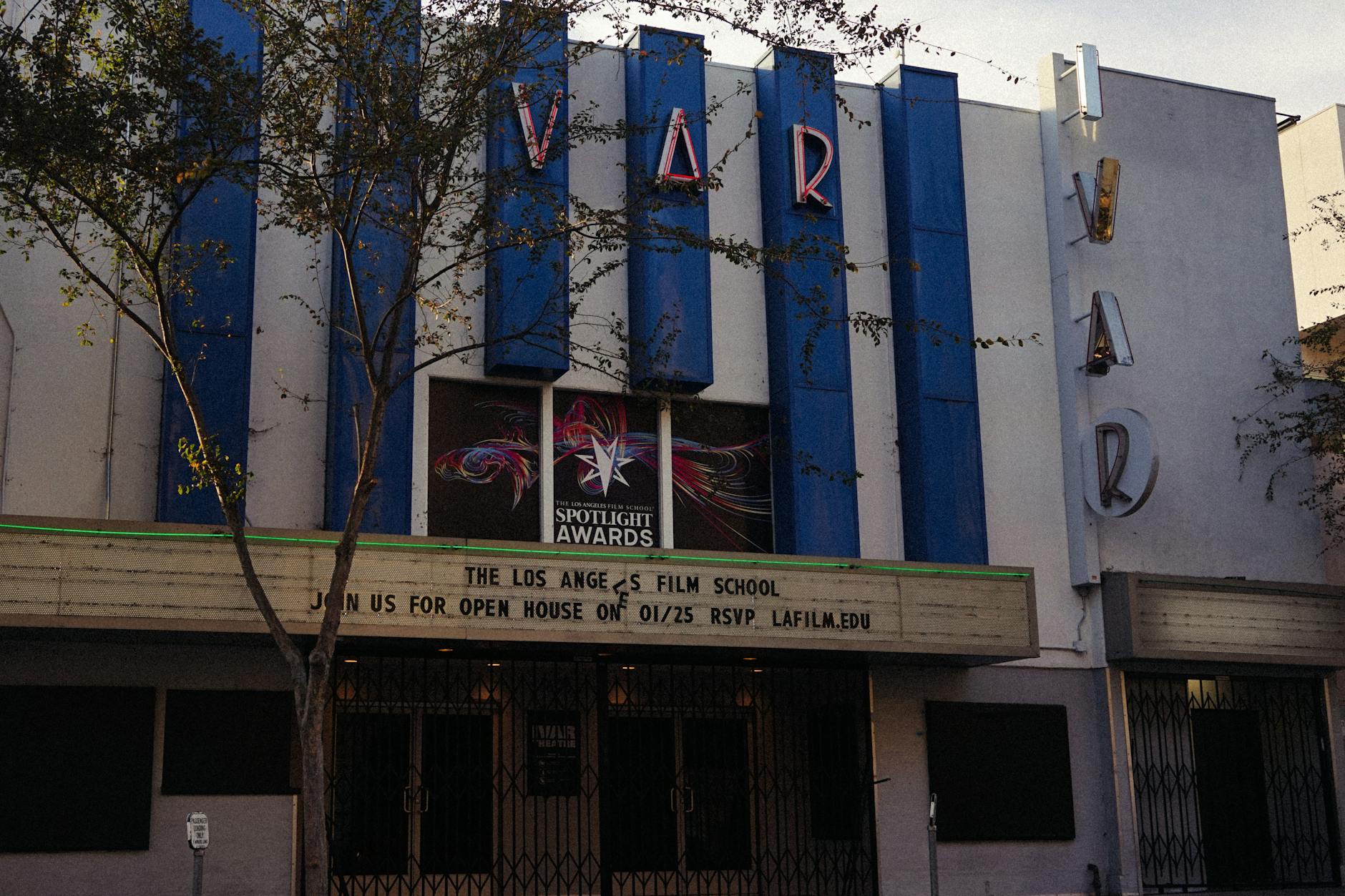
Few prices tell the story of leisure inflation as clearly as the cost of a movie ticket. In 1970, the average ticket price in the U.S. was around $1.55. By 1980, it had climbed to about $2.69. In 1990, $4.23. Fast forward to 2024, and the national average sits above $13 — with premium formats like IMAX and Dolby Cinema pushing individual tickets past $20 or even $25 in major markets.
Adjusted for general inflation, a 1978 ticket would cost roughly $6–7 today. The actual price is nearly double that. Something beyond inflation is at work.
Part of it is the experience arms race. Theaters have invested heavily in recliner seating, premium sound, and larger screens to compete with the living room streaming setup that now rivals the cinema experience for many viewers. That investment gets passed to buyers. But the result is that casual moviegoing — the kind where you decide on a Thursday afternoon to catch a 7 p.m. show — has quietly transformed from an impulse into a deliberate spending decision.
Eating Out: From Routine to Occasion
For much of the mid-twentieth century, eating at a casual restaurant was a normal, recurring part of American family life. It wasn't considered a treat — it was just Tuesday sometimes. The economics supported it. A full meal at a diner or family restaurant in 1975 might run $2–3 per person. Adjusted for inflation, that's roughly $11–14 today. The actual cost of a casual sit-down meal in 2024? Often $18–25 per person before tip, which now carries its own social and financial weight given the shift toward 20–25% norms.
Fast food, long positioned as the affordable option, has followed a similar upward curve. A McDonald's Big Mac meal that cost under $2 in 1985 now runs around $10–12 depending on location. Taco Bell, Subway, and similar chains have all seen prices rise sharply since 2020, with some items effectively doubling in price over a five-year period. The value proposition that defined fast food for generations has eroded significantly.
The result? Dining out has shifted, for many middle-income households, from a regular habit to a more deliberate occasion — something you plan for rather than fall into.
The Ballpark Economy
Professional sports offer perhaps the starkest illustration of how leisure economics have transformed. In 1979, the average MLB ticket cost about $3.50. Adjusted for inflation, that's around $15 today. The actual average ticket price across MLB in 2024 is closer to $35–40 — and that's just the entry point. Factor in parking ($25–40), a couple of beers ($14–18 each in many stadiums), a hot dog and a pretzel, and a family of four can easily spend $250–350 on a single afternoon game.
The NFL and NBA are considerably steeper. Average NFL ticket prices routinely exceed $150 for regular-season games, with premium matchups in large markets pushing well past $300 on the secondary market. Attending a game has become, for a significant portion of the fan base, something you do a few times in a lifetime rather than a few times a season.
This has subtly reshaped the relationship between fans and sports. Watching at home — on increasingly large, high-quality screens, with streaming services offering multiple camera angles and commentary options — has become the de facto experience for most fans. The in-person event has drifted toward special occasion territory.
What the Numbers Actually Reveal
It would be easy to chalk all of this up to inflation and leave it there. But the more revealing comparison is between price growth and wage growth. Since 1980, the cost of leisure activities has outpaced wage growth for median earners by a meaningful margin. Americans are, in many categories, working longer in relative terms to afford the same night out their parents took for granted.
This isn't universal — technology has made some forms of entertainment dramatically cheaper. Streaming a movie at home costs a fraction of what a VHS rental once did. Access to music, books, and games has expanded enormously at low or no cost. The entertainment landscape has bifurcated: passive, screen-based leisure has gotten cheaper and more abundant, while experiential, out-of-the-house leisure has gotten considerably more expensive.
Fun Isn't Gone — It Just Got Renegotiated
None of this means Americans have stopped going out, stopped watching games, or stopped enjoying themselves. They haven't. But the calculus has changed. What was once a casual, reflexive spending habit — catch a movie, grab dinner, see a game — now involves more deliberate budgeting for a large portion of households.
The $3 movie ticket is gone. So is the $2 burger and the $1.50 bleacher seat. What replaced them isn't just higher prices — it's a different relationship between ordinary Americans and the simple act of having a good time. That shift, quiet as it's been, says a lot about where spending power has gone and what everyday life actually costs now.