The 36-Shot Summer: When Every Photo Was a $2 Decision
Before smartphones, a family vacation meant 36 carefully chosen shots and a six-week wait to see if any turned out. Here's what we gained and lost when photography became free and instant.
Category
8 articles
Before smartphones, a family vacation meant 36 carefully chosen shots and a six-week wait to see if any turned out. Here's what we gained and lost when photography became free and instant.
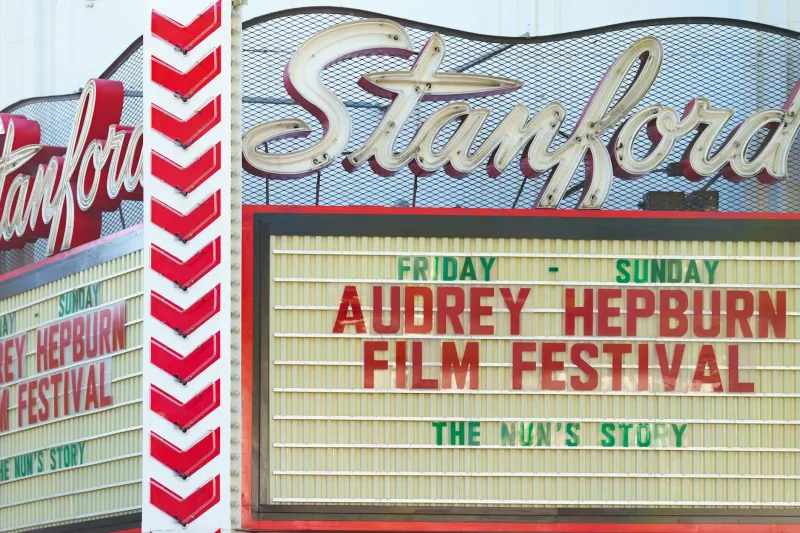
Before multiplexes and Netflix algorithms, America's single-screen theaters created something we've lost: a shared cultural experience where entire neighborhoods gathered to watch the same story unfold. The economics were simple, the community was real, and Monday morning conversations actually meant something.
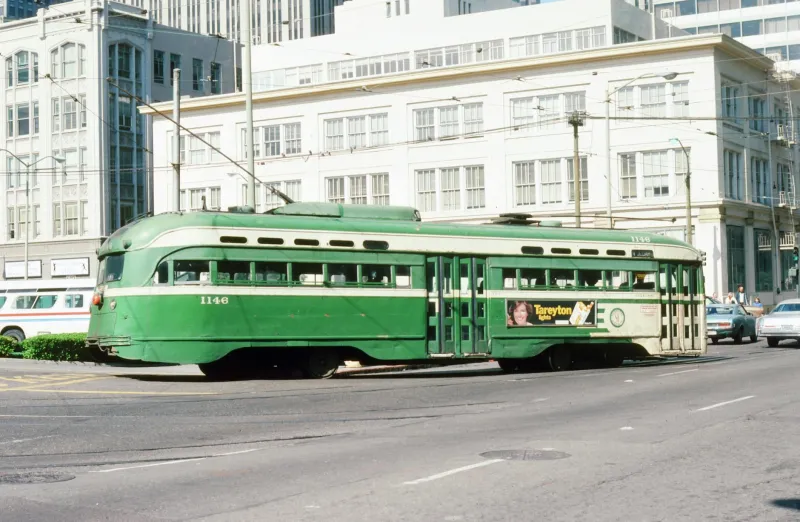
Seventy years ago, you could hop on a streetcar in downtown Cleveland and reach the suburbs for a nickel. Today, that same trip requires a car payment, insurance, and a prayer for parking. Here's how America traded mobility for everyone for mobility for the few.
Before Google, Americans found everything through massive phone books that arrived on every doorstep. These paper directories didn't just list numbers — they mapped entire local economies and shaped how we discovered our communities.
Sixty years ago, your neighbors were your extended family, your babysitters, and your emergency contacts all rolled into one. Today, we live closer together than ever but know less about the people next door than our great-grandparents knew about families three towns over.
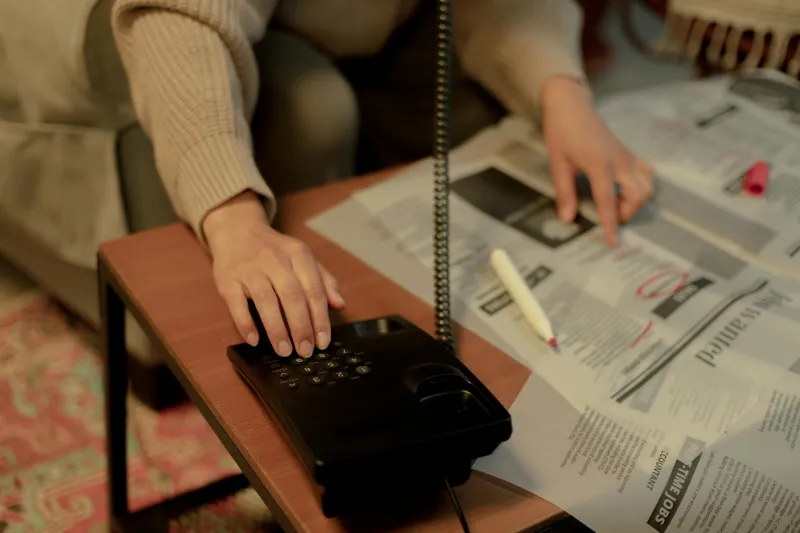
Before unlimited calling plans and the internet, a long-distance phone call was a luxury item—something you budgeted for, timed carefully, and sometimes avoided entirely. The shift from expensive distance to free connection has quietly transformed American relationships and family life.
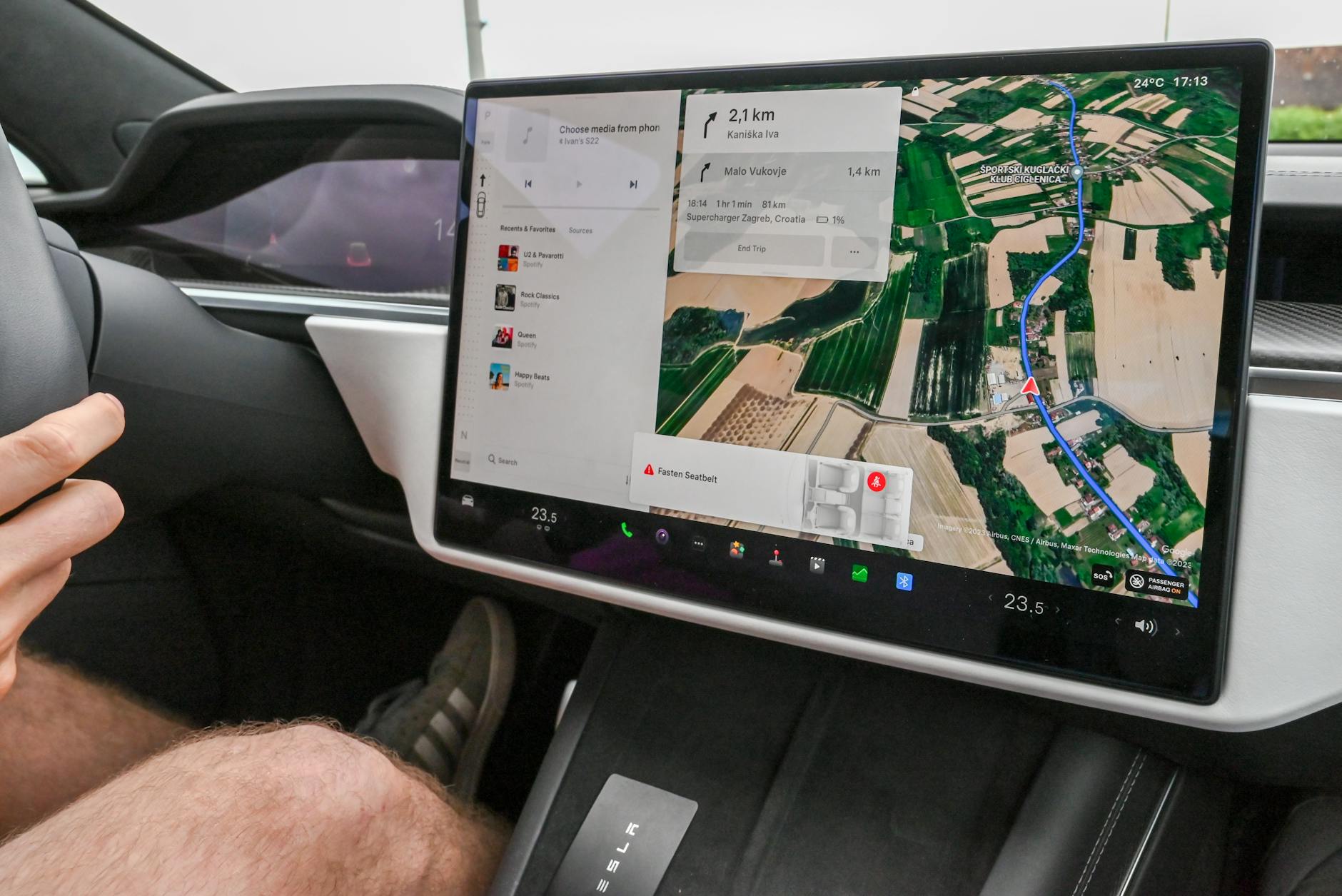
Before your phone could reroute you around a traffic jam in real time, Americans relied on paper maps, handwritten notes, and the willingness to pull over and ask a stranger for help. The way we found our way around used to be a whole different kind of adventure.
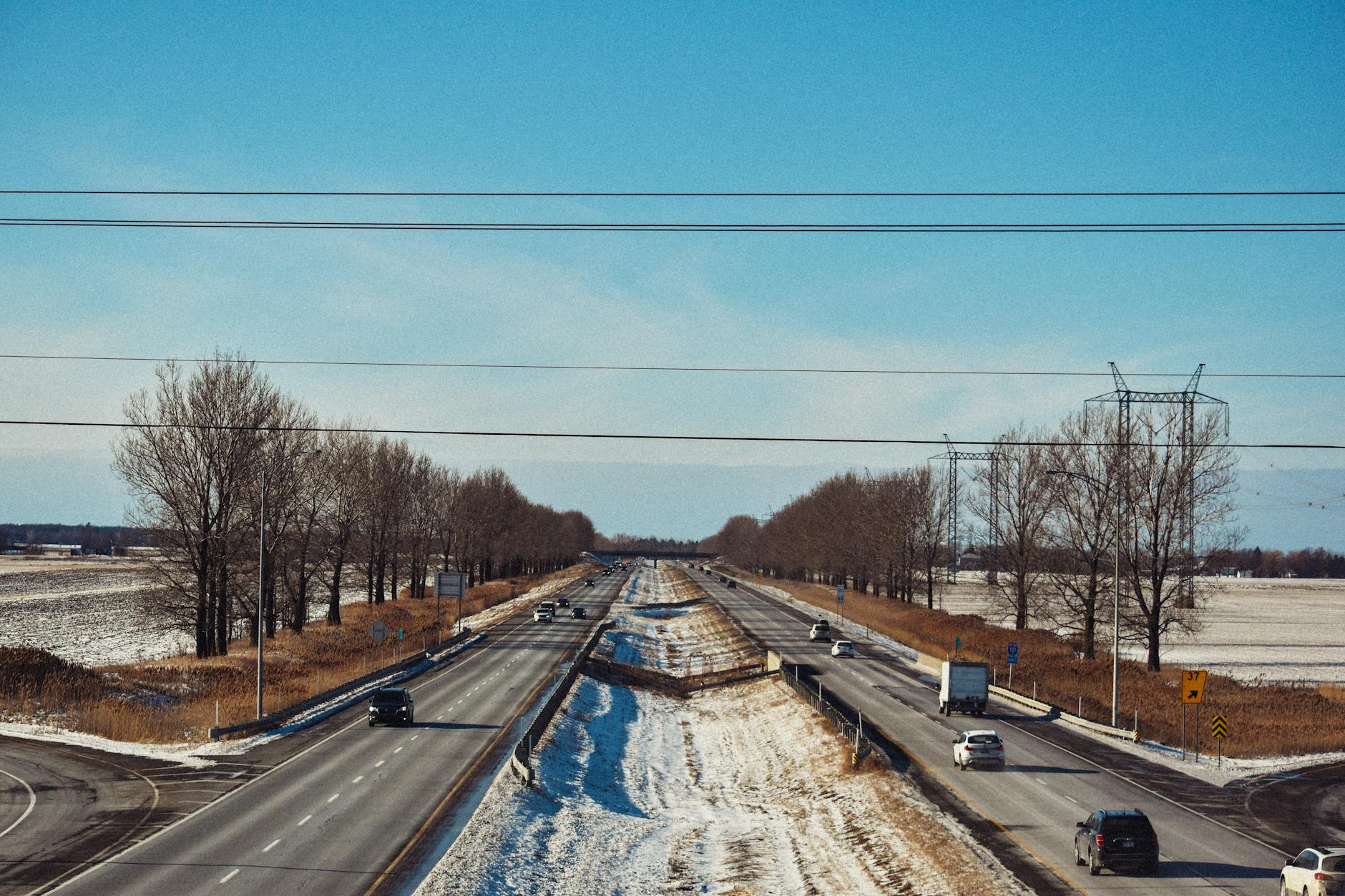
Driving across America in the 1920s wasn't a vacation — it was an expedition. Unpaved roads, unreliable cars, and towns with no gas for a hundred miles made coast-to-coast travel a genuine feat of endurance. So how did we get from that to a casual long weekend behind the wheel?