The $400 Television That Lasted 20 Years
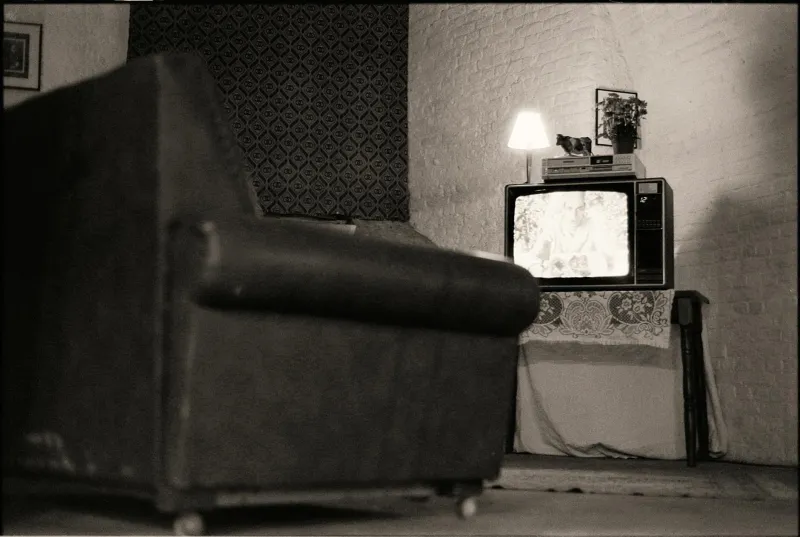
In 1975, walking into Sears and buying a 25-inch Zenith television was straightforward: pay $400, plug it into the wall, and enjoy free entertainment for the next two decades. No monthly bills, no software updates, no subscription fees. The most complicated decision was whether to spring for the remote control.
That TV would reliably display whatever signals came through the antenna or cable connection until it physically broke down — often 15-20 years later. When it finally died, you'd gotten your money's worth several times over.
The Hidden Mathematics of Modern Entertainment
Today's 55-inch smart TV might cost $500 — seemingly a better deal than that 1975 Zenith. But the sticker price is just the beginning of a financial relationship that never ends.
First, you need internet service: $70 monthly. Then streaming subscriptions: Netflix ($15), Disney+ ($8), HBO Max ($15), Amazon Prime ($9), Hulu ($12). Add in a few specialized services for sports or specific content, and you're looking at $150+ monthly just to make your "smart" TV function as intended.
Over five years — the typical lifespan of a modern smart TV before it becomes obsolete — those monthly fees add up to $9,000. That $500 TV actually costs $9,500, assuming you don't upgrade your internet plan or add more streaming services.
When Ownership Meant Something Different
The 1975 television represented true ownership in ways that modern consumers barely remember. Once you bought it, the manufacturer had no ongoing relationship with you. They couldn't remotely change how it worked, couldn't disable features you'd paid for, couldn't force you to agree to new terms of service.
If you wanted to watch TV, you turned it on. If you didn't want to watch TV, you turned it off. The device served your preferences, not the business models of distant corporations.
Modern smart TVs flip this relationship entirely. Your television is constantly connected to the internet, reporting your viewing habits to manufacturers and advertisers. Software updates can remove features, change interfaces, or add advertisements to menus you previously navigated ad-free.
The Subscription Trap Nobody Saw Coming
The shift from ownership to subscription happened gradually, making it difficult to recognize how dramatically the economics changed. First, cable TV introduced monthly fees but offered more content. Then streaming services promised to cut the cord and save money. Now, accessing the same range of content requires multiple streaming subscriptions that collectively cost more than cable ever did.
Meanwhile, the devices themselves became more fragile and shorter-lived. That 1975 Zenith was built with discrete components that could be repaired. Modern TVs are essentially computers with screens — complex, integrated systems that become obsolete when software support ends or hardware components fail.
The True Cost of 'Free' Updates
Smart TV manufacturers market software updates as valuable features, but these updates serve corporate interests more than consumer needs. Updates can slow down older hardware, push new advertising formats, or modify user interfaces to promote specific services.
More concerning, manufacturers routinely stop supporting older models, rendering them partially or completely non-functional. A five-year-old smart TV might lose access to popular streaming apps, forcing consumers to buy external devices or replace the entire television.
This planned obsolescence represents a fundamental shift in how electronics companies generate revenue. Instead of building durable products that customers buy once, they now build products designed to require ongoing spending through subscriptions and regular replacement.
What We Lost in the Translation
The old model of electronics ownership had significant advantages that modern consumers rarely consider. Products were designed for longevity because manufacturers made their money on the initial sale. Customers could use their purchases however they wanted without ongoing corporate oversight.
If you bought a 1975 television and only watched two channels, that was your choice. If you used it primarily for video games or as a computer monitor, that was also your choice. The device served your purposes without generating data for advertisers or requiring ongoing payments to maintain functionality.
The Economics of Digital Dependency
Modern smart TVs exemplify a broader shift in consumer electronics toward digital dependency. Devices that once functioned independently now require constant internet connections, regular updates, and ongoing subscriptions to maintain basic functionality.
This dependency creates multiple ongoing revenue streams for manufacturers and service providers while shifting financial risk to consumers. If your internet goes down, your smart TV becomes significantly less useful. If a streaming service raises prices or discontinues content, you have little recourse.
The old television model put consumers in control of their entertainment budget. The new model makes entertainment costs variable and unpredictable, subject to corporate decisions beyond consumer influence.
The Real Price of Progress
Modern televisions offer undeniable improvements: better picture quality, access to vast content libraries, and features that would have seemed magical in 1975. But these improvements come with hidden costs that fundamentally change the economics of home entertainment.
Consumers today spend far more on television-related expenses than previous generations, despite believing they're getting better deals. The complexity of modern pricing — combining device costs, internet fees, multiple subscriptions, and regular upgrades — makes true cost comparisons difficult.
Recalculating What Things Actually Cost
When evaluating modern purchases, consumers need to calculate total cost of ownership over the device's actual useful life, not just the sticker price. For electronics, this means including internet requirements, subscription fees, software support timelines, and replacement cycles.
A $500 smart TV that requires $150 monthly in services and needs replacement every five years costs significantly more than a $1,200 TV that functions independently for 15 years. But modern marketing focuses on upfront costs, not lifetime expenses.
The shift from ownership to subscription represents one of the most significant changes in consumer economics of the past 50 years. Understanding this change is essential for making informed financial decisions in an economy where "buying" something often means signing up for years of ongoing payments.
The television in your living room isn't just a different product than the one your parents bought in 1975 — it represents an entirely different economic relationship between consumers and the companies that serve them. Recognizing that difference is the first step toward regaining some control over how much we actually pay for the conveniences we think we own.