The Nickel Ride to Anywhere
In 1950, Mrs. Dorothy Henderson could step out of her Cleveland apartment, walk two blocks to the nearest streetcar stop, and reach any corner of the city for five cents. The same fare would get her to the lakefront, downtown department stores, or her sister's house in Shaker Heights. She didn't need to own a car, couldn't afford one anyway on her secretary's salary, and never felt stranded.
Today, Dorothy's granddaughter Sarah lives in that same Cleveland neighborhood. But the streetcar tracks are buried under asphalt, the nearest bus stop is eight blocks away, and service ends at 9 PM. To reach the same destinations her grandmother visited daily, Sarah needs a car loan, monthly insurance payments, and the constant worry of where to park.
This isn't just Cleveland's story. It's the story of how America systematically dismantled the most extensive public transportation network in the world, then wondered why so many of its citizens became economically trapped.
When Every Town Had Tracks
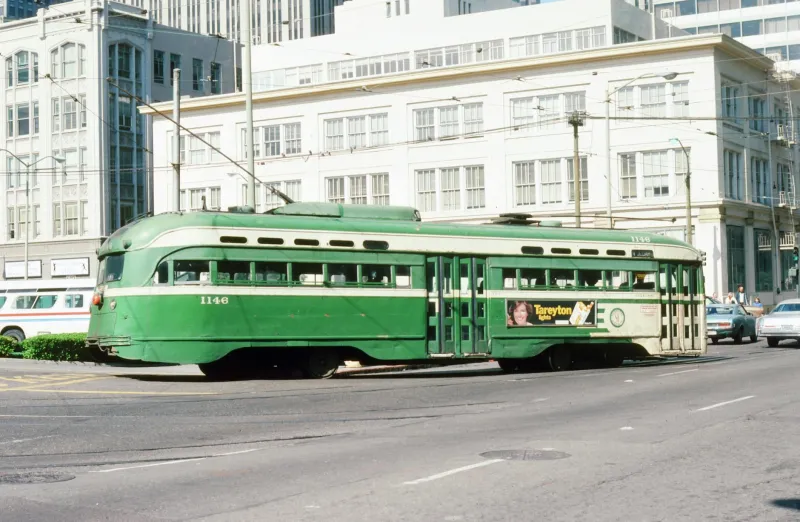
The numbers tell a stunning story of what we lost. In 1945, American cities operated over 40,000 streetcars on 26,000 miles of track. Los Angeles alone had 1,164 miles of electric railway – more than New York's subway system today. Small cities like Fresno, California, and Youngstown, Ohio, had comprehensive streetcar networks that connected downtown to every residential neighborhood.
 Photo: New York, via www.insidehook.com
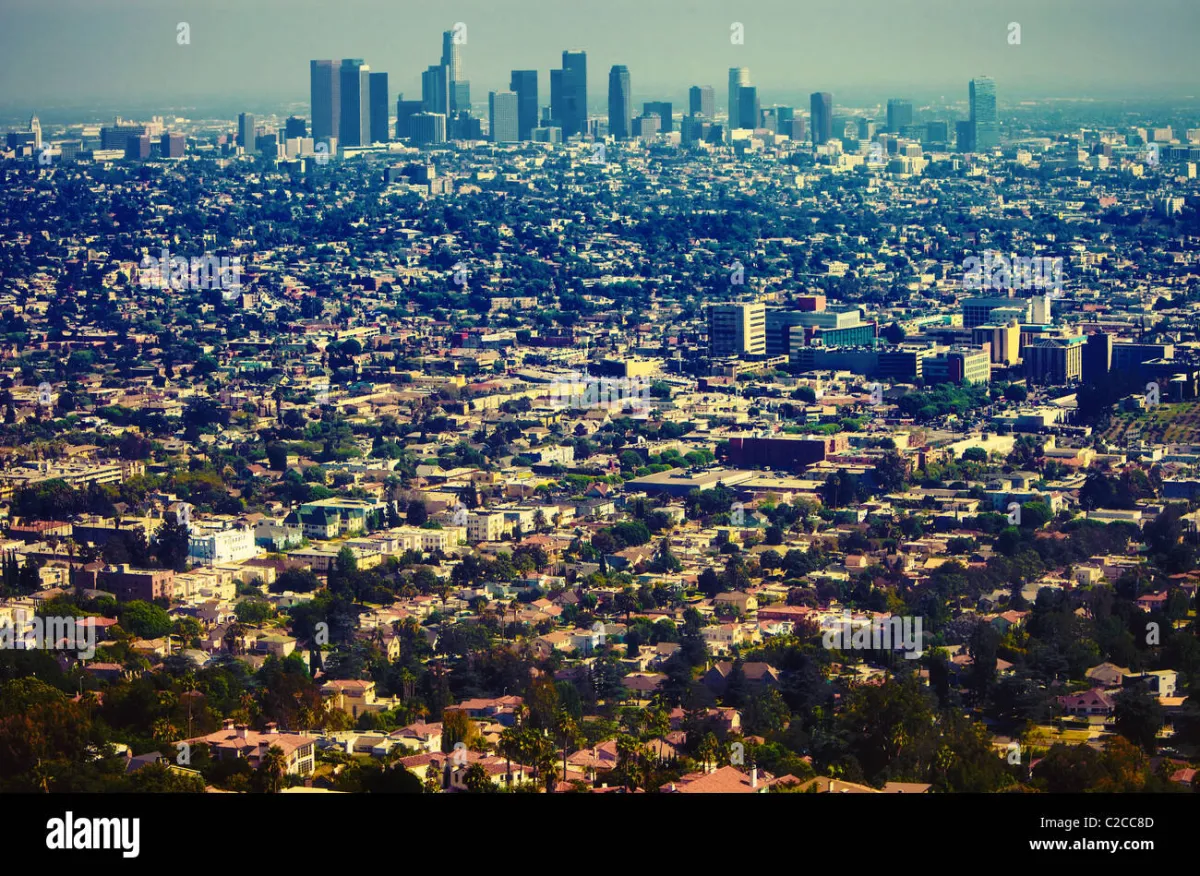 Photo: Los Angeles, via c8.alamy.com
Buses filled the gaps where streetcars couldn't reach. By 1950, even towns with populations under 25,000 typically offered hourly bus service to surrounding areas. A farmer's wife in Iowa could catch a morning bus to the county seat, complete her shopping and banking, and return home by afternoon – all without depending on her husband's pickup truck.
The coverage was remarkable by today's standards. Transit systems reached deep into residential neighborhoods, not just along major arterials. Routes connected seamlessly, allowing transfers that made sense. Most importantly, the schedules assumed people actually depended on these services to reach jobs, schools, and essential services.
The Great Abandonment
What happened next wasn't an accident of changing consumer preferences. It was a coordinated campaign by automobile and oil companies to eliminate their competition. General Motors, Firestone Tire, and Standard Oil created front companies that bought up streetcar systems across the country, then systematically dismantled them.
Between 1936 and 1950, these companies purchased over 100 electric transit systems in 45 cities, scrapped the streetcars, and replaced them with GM buses. When the buses inevitably became less reliable and more expensive than the streetcars they replaced, ridership declined – providing the perfect excuse to eliminate routes entirely.
Meanwhile, federal highway spending exploded. The Interstate Highway Act of 1956 committed $25 billion to road construction (equivalent to $275 billion today) while transit systems received virtually nothing. Cities that had spent decades building comprehensive rail networks watched federal bulldozers tear through their downtowns to make room for highways that would carry commuters away from the urban core.
The True Cost of Car Dependency
The economic impact on ordinary Americans was devastating, though it took decades to become fully apparent. In 1950, a working-class family could live comfortably without owning a car. Transit provided reliable access to jobs across the metropolitan area. Today, transportation costs consume nearly 20% of the average American household budget – the second-largest expense after housing.
Consider what this means for a minimum-wage worker. At today's federal minimum wage of $7.25 per hour, buying and maintaining a reliable used car requires roughly 800 hours of work annually – that's 20 full-time weeks just to afford the mobility that streetcars once provided for the cost of a daily newspaper.
The impact goes beyond individual budgets. Entire communities became economically isolated when transit disappeared. Low-income neighborhoods, particularly communities of color, lost access to job opportunities in distant suburbs. Senior citizens who could no longer drive safely found themselves trapped in their homes. The disabled faced new barriers to independence that hadn't existed in the streetcar era.
What We're Left With
Today's American transit map looks like Swiss cheese compared to the comprehensive coverage of 1950. Most cities offer skeletal bus service along a few major routes, with frequencies so poor that missing one bus can mean an hour's wait for the next. Evening and weekend service is often nonexistent, making transit useless for anyone whose life doesn't conform to a traditional 9-to-5 schedule.
The few cities that maintained or rebuilt substantial transit systems – New York, San Francisco, Washington DC – demonstrate what we lost everywhere else. In these places, car-free living remains possible for middle-class families. Not coincidentally, these are also the cities where working-class people can still access middle-class jobs without the burden of car payments.
The Road Not Taken
European cities faced the same post-war pressures toward automobile dependency but made different choices. Cities like Zurich and Vienna expanded their streetcar networks instead of abandoning them. Munich built new subway lines while American cities were tearing up their rail infrastructure.
The results speak for themselves. A typical European city offers transit service to 90% of its residents within a five-minute walk. Frequencies are measured in minutes, not hours. Most importantly, these systems serve the entire economic spectrum of society, not just those too poor to own cars.
More Than Transportation
What America lost wasn't just a way to get around – it was a foundation of economic mobility and social connection. Streetcars and buses were democratic spaces where different classes of people shared the same journey. They enabled urban neighborhoods where corner stores, schools, and workplaces were all within walking distance of transit stops.
The shift to car dependency didn't just change how Americans traveled; it reshaped how they lived, worked, and related to their communities. We traded the spontaneous mobility that came with comprehensive transit for the expensive, isolating mobility that comes with mandatory car ownership.
Seventy-five years later, we're still paying the price for that exchange – not just in dollars, but in the opportunities lost when getting there became something only drivers could afford.