The Quarter That Bought a Summer
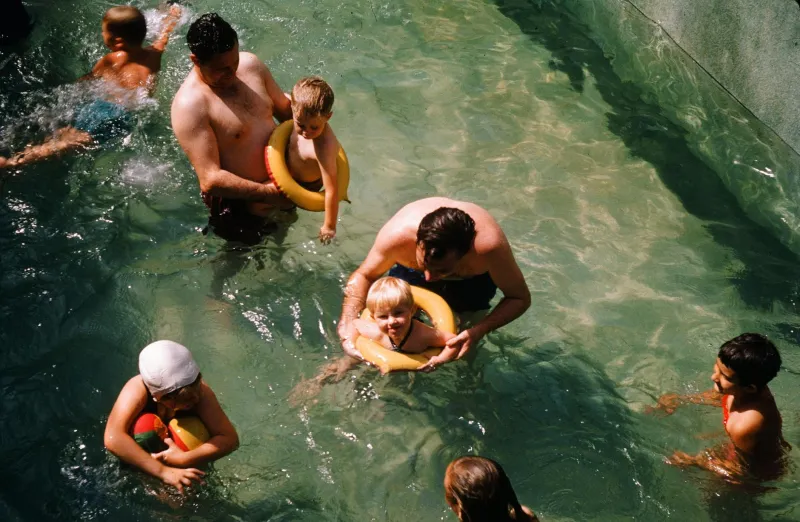
In 1965, dropping your kids off at the Riverside Municipal Pool in Columbus, Ohio cost exactly 25 cents. For that quarter, they got eight hours of supervised swimming, diving lessons from the lifeguard, and access to a concrete paradise that served as the social center for every kid within biking distance. The pool was funded by property taxes, maintained by city workers, and considered as essential to community infrastructure as streetlights or fire stations.
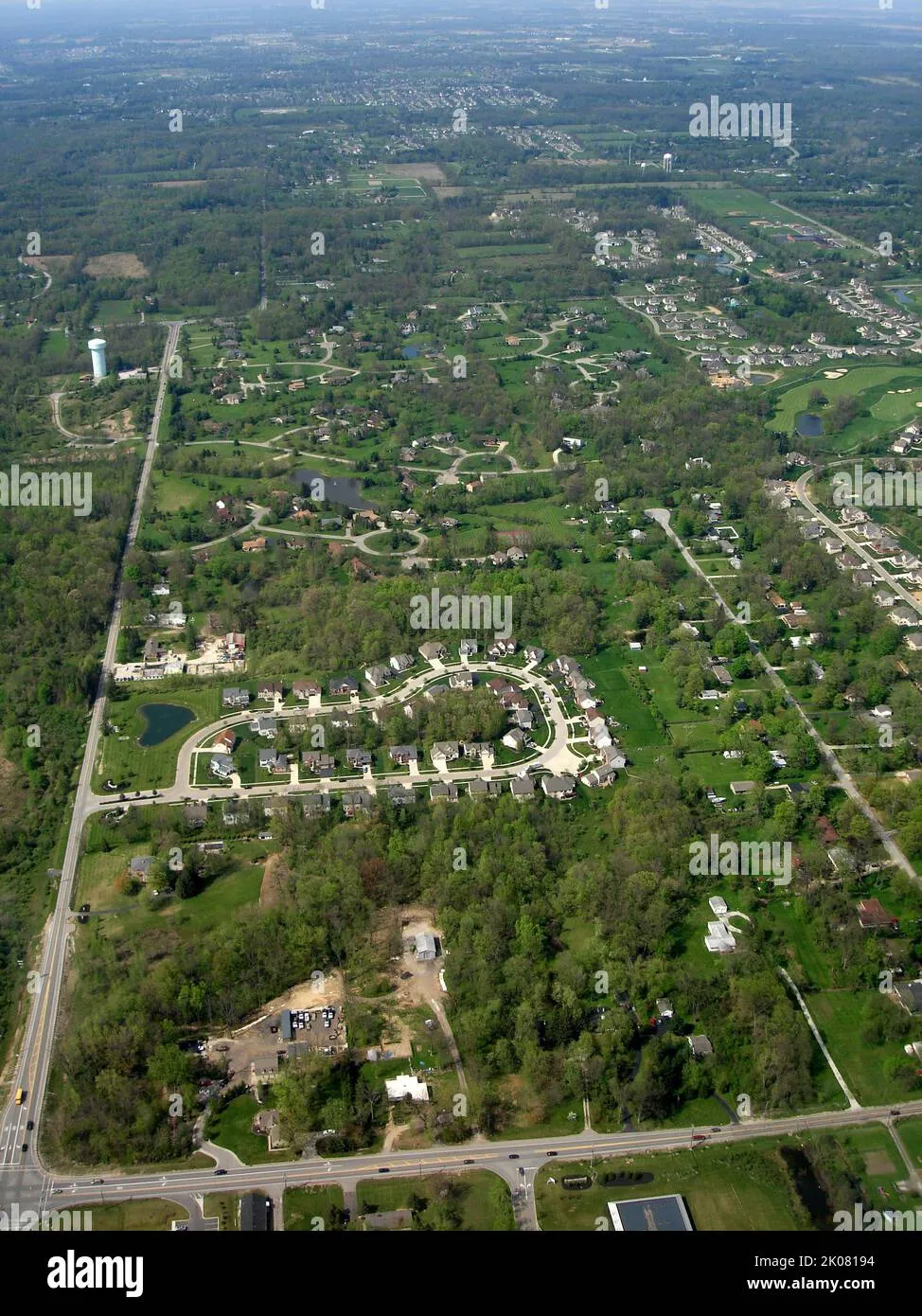 Photo: Columbus, Ohio, via c8.alamy.com
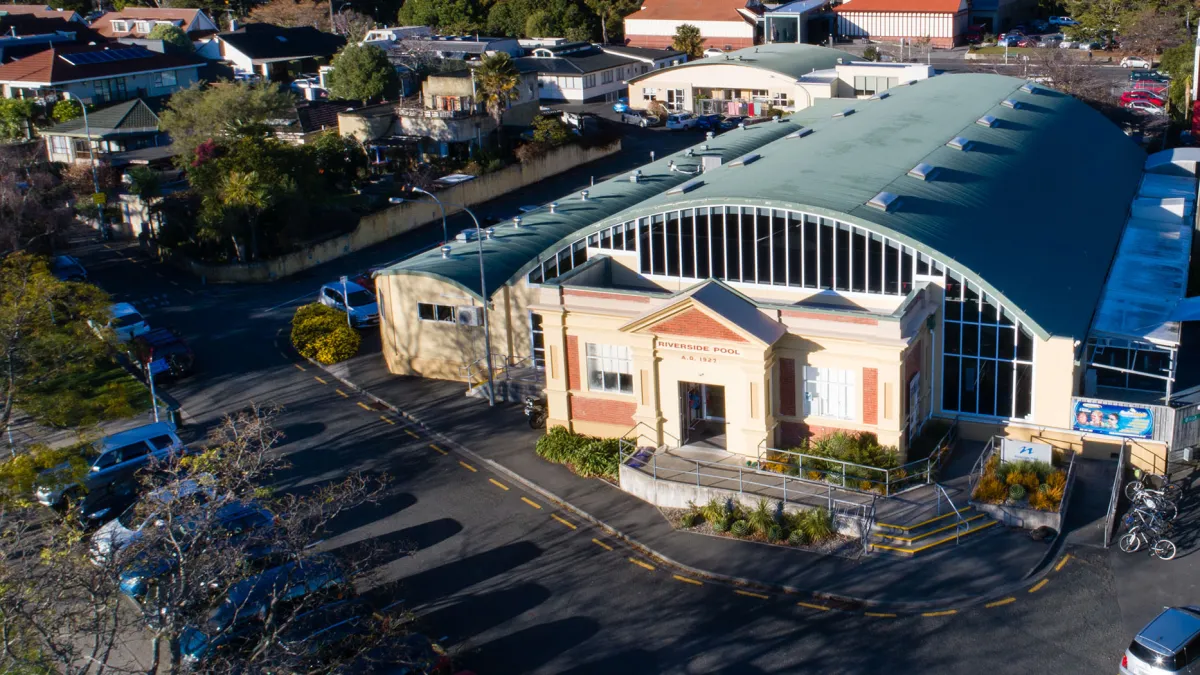 Photo: Riverside Municipal Pool, via www.clmnz.co.nz
Today, that same pool sits empty, cracked, and fenced off. The nearest swimming option? Riverside Country Club, where a family membership runs $4,200 annually, plus a $2,500 initiation fee.
When Swimming Was a Public Service
America's golden age of public pools ran roughly from 1930 to 1975. During the Great Depression and post-war boom, municipalities viewed swimming facilities the same way they viewed libraries or parks — as shared community assets that improved public health and provided democratic recreation. Cities competed to build the most impressive aquatic centers, funded through bond measures that voters approved by wide margins.
The economics were straightforward. A typical municipal pool cost $50,000 to build in 1950 (about $600,000 today) and served 2,000 residents daily during summer months. Operating costs ran roughly $15,000 annually — less than the salary of two police officers. Admission fees of 10 to 50 cents covered basic maintenance, while tax revenue handled major repairs and improvements.
More importantly, these pools functioned as neighborhood equalizers. The banker's kid and the factory worker's daughter learned to swim in the same chlorinated water, developing friendships that crossed economic lines. Swimming lessons were free or nearly free, ensuring that water safety knowledge spread throughout entire communities regardless of family income.
The Great Pool Closure
Between 1975 and 1995, America lost nearly 60% of its public swimming facilities. The closures followed predictable patterns: first came deferred maintenance as city budgets tightened, then safety concerns about aging infrastructure, then outright abandonment as repair costs mounted.
But the real driver wasn't financial — it was demographic. As white families moved to suburbs and Black families gained access to previously segregated facilities, many communities suddenly discovered that public pools were "too expensive" to maintain. Rather than integrate, hundreds of towns chose to close their pools entirely, a phenomenon researchers now call "recreational white flight."
The economics of this shift were devastating for working-class families. When Youngstown, Ohio closed its four municipal pools in 1981, the nearest swimming option became the suburban Whispering Pines Swim Club, which charged $800 for seasonal family membership — equivalent to three weeks' wages for many local factory workers.
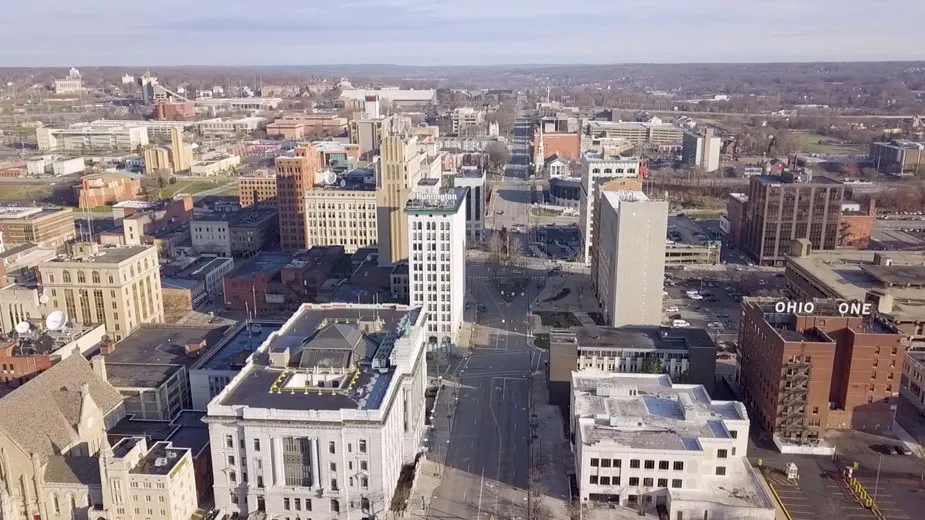 Photo: Youngstown, Ohio, via businessjournaldaily.com
The Rise of Private Water
As public pools disappeared, private alternatives multiplied. Country clubs expanded their aquatic facilities, neighborhood associations built community pools with hefty HOA fees, and middle-class families installed backyard pools using newly available home equity loans.
The numbers tell the story: in 1960, fewer than 5% of American homes had private pools. By 2020, that figure reached nearly 15% — but those pools served far fewer people than the old municipal facilities. A public pool that once accommodated 500 families was replaced by 50 backyard pools serving 50 families, at roughly ten times the total cost.
Today's swimming landscape reflects this privatization. A season pass to a decent community pool runs $300-800 per family. Day passes cost $15-25. Swimming lessons that were once included now cost $80-120 per session. What was once a universal childhood experience has become a marker of economic status.
The Hidden Costs of Going Solo
The shift from public to private swimming carries costs beyond the obvious price tags. When families buy individual pool access instead of sharing community facilities, they lose the social connections that public pools fostered. Kids no longer meet neighbors from different backgrounds. Parents miss the informal networks that formed around shared recreation.
The safety implications are equally significant. Public pools employed certified lifeguards and taught standardized swimming programs. Private facilities vary wildly in safety standards, while backyard pools — despite safety equipment — see higher drowning rates than supervised public facilities ever did.
Financially, the privatization of swimming represents a massive wealth transfer from public to private hands. The $50,000 municipal pool that served 2,000 families has been replaced by private infrastructure costing millions to serve the same population. The difference comes directly from family budgets, turning what was once a shared public good into an individual luxury expense.
What We Lost in the Water
The disappearance of public pools reflects a broader transformation in American life — the steady conversion of shared community assets into private, fee-based services. Swimming joined a long list of activities that moved from the public sphere to the private market: youth sports, after-school programs, even playground equipment.
For families, this shift means that a summer of swimming now costs more than a mortgage payment in many areas. For communities, it means the loss of spaces where economic differences mattered less than the shared joy of cannonballs and Marco Polo.
The quarter that once bought a summer of swimming is gone, replaced by monthly fees that many families simply can't afford. In making swimming a luxury instead of a public service, we didn't just lose pools — we lost a piece of the American promise that some good things should belong to everyone.